Pet Products
Wet Dog Food vs Dry Dog Food: Pros and Cons
Wet dog food vs dry dog food pros and cons: find out which fits your dog's health, your budget, and your daily routine best.
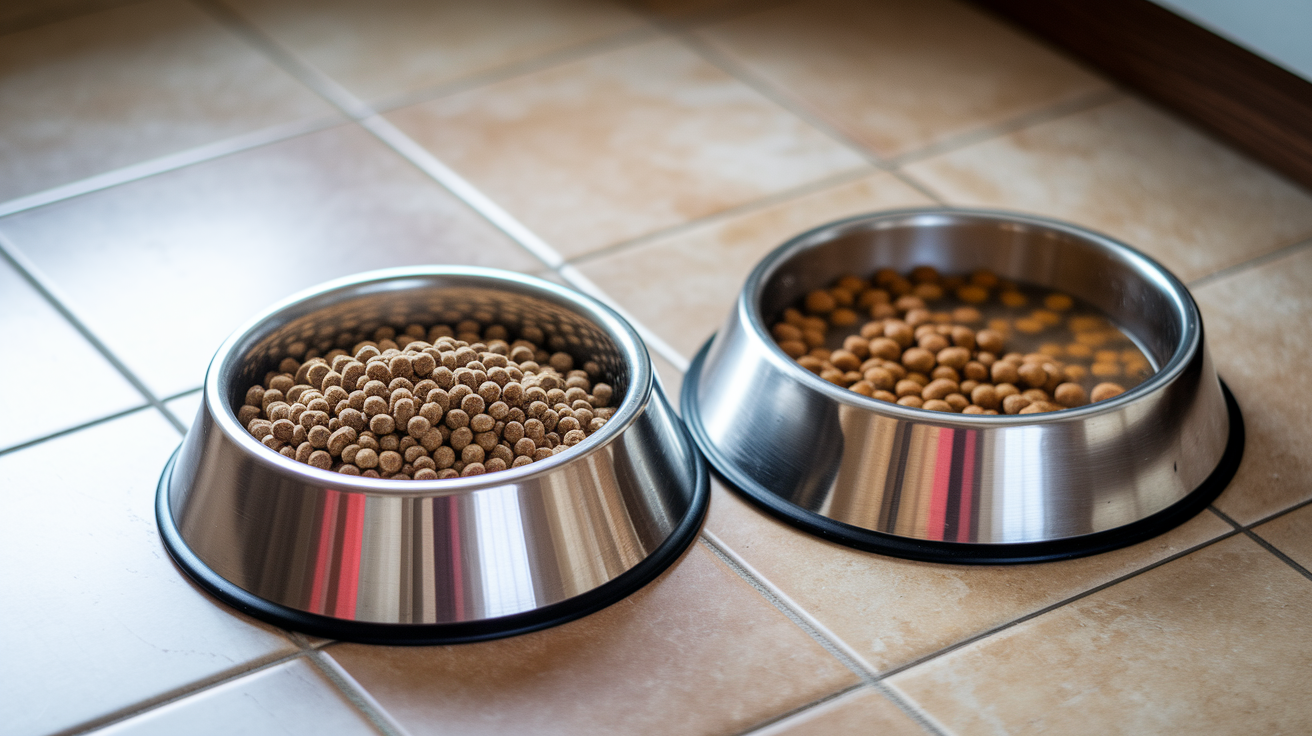
Think wet food is automatically healthier than dry? It isn’t.
The right choice depends on your dog’s health, your budget, and how your household actually runs.
Dry kibble usually wins on cost, convenience, portion control, and a little help with dental health.
Wet food wins on hydration and palatability, so picky eaters, seniors with dental pain, and dogs that drink little often do better on it.
Bottom line: there’s no single best format, and a mix of wet and dry is a practical middle ground for many families.
Wet vs Dry Dog Food: Quick Verdict And Comparison Chart
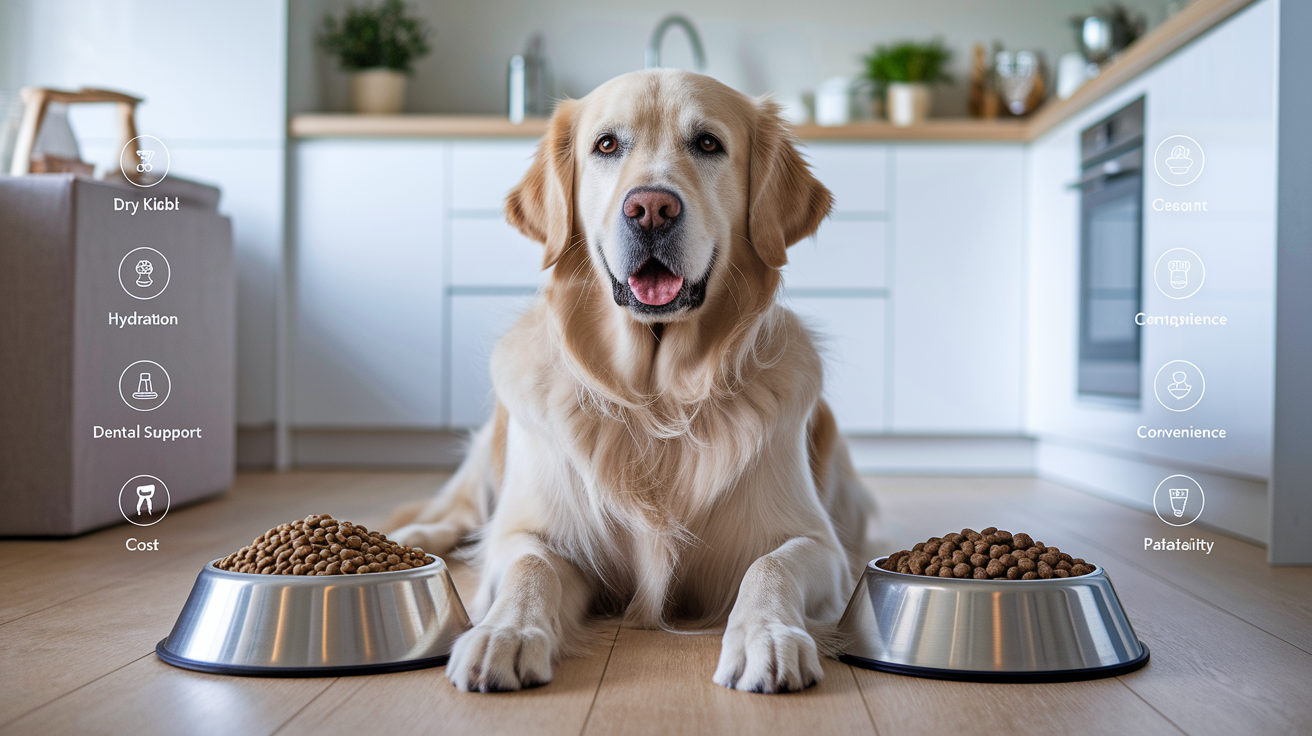
Here’s the honest answer before we get into the weeds: there’s no single “best” dog food format. The right pick depends on your dog’s health, your budget, and how your household actually runs day to day.
Want the short version? Dry kibble wins on cost, convenience, portion control, and dental support. Wet food wins on hydration and palatability. And a mix of both is a totally reasonable middle ground that plenty of dog owners already use.
That last part isn’t a guess, either. A 2021 survey of more than 1,500 dog owners found that about 76% feed kibble, while roughly 35% feed a mix of dry and wet. So if you’re already splitting the difference, you’re in good company.
The moisture gap between the two is bigger than most people expect. Dry kibble sits around 10% moisture. Wet and canned foods run 75% to 78% moisture, and some stew style or gravy formats climb as high as 87.5% water, according to AAFCO guidelines. That difference matters for hydration, which we’ll get into further down.
Cost is another clear split. Dry food is typically a fraction of the price per meal compared to wet, which can run a few dollars per serving depending on the brand. For multi dog households or larger breeds, that difference adds up fast over a month.
Here’s a quick side by side so you can scan the main factors before we go deeper into each one.
| Factor | Dry Kibble | Wet/Canned Food |
|---|---|---|
| Moisture Content | About 10% | 75% to 87.5% |
| Cost | Lower cost per meal | Higher cost per meal |
| Shelf Life | Weeks once opened, if sealed well | A few days in the fridge once opened |
| Dental Impact | Some abrasive, plaque reducing benefit | Little to no mechanical cleaning action |
| Palatability | Good, but less aromatic | Often more appealing, especially to picky eaters |
| Convenience | Easy to store, measure, and free feed | Needs refrigeration, more prep and cleanup |
| Best For | Budget conscious owners, dental support, large breeds | Picky eaters, dogs needing more hydration, dental pain |
Each of these factors deserves a closer look. Things like nutrient percentages and dental claims are more nuanced than they first appear. Let’s break them down one at a time, starting with what’s actually in the bag or can.
Nutritional Composition: Protein, Fat, and Carbohydrates
Ever flip over a bag of kibble and a can of wet food side by side? The numbers probably confused you. Dry food might list 30% protein while wet food shows just 10%. That looks like a huge gap, but it’s mostly a water illusion.
Wet food contains so much more moisture that its nutrient percentages get diluted on the label. To compare fairly, you need to look at things on a dry matter basis, meaning you remove the water from the math and compare what’s actually left. Do that, and many wet and dry recipes end up much closer in protein content than the label suggests.
Here’s a quick breakdown of typical ranges you’ll see on labels, before any dry matter adjustment:
- Protein: dry kibble usually lists 25% to 40%, wet food usually lists 10% to 15%
- Fat: both formats generally fall between 5% and 15%, though wet food sometimes runs higher for flavor or extra energy
- Carbohydrates: dry food typically contains 30% to 50% carbs (needed to bind the kibble shape and fuel energy), while wet food usually contains 10% to 30%
- Calorie density: dry food tends to pack more calories per cup due to lower water content, so portions often look smaller than they are
Dry kibble is made by grinding and mixing ingredients, shaping them, then cooking out most of the water. That process is exactly why the carb content tends to run higher, since starches help the kibble hold its shape.
So which format is “better” nutritionally? It really depends on the dog and the specific recipe, not just whether it’s wet or dry. Fiber content and ingredient quality usually have a bigger impact on stool quality and digestion than the format itself. A low quality dry food and a low quality wet food can both cause soft stool, while high quality versions of either can work great. Read the full label, not just the format.
Hydration And Moisture Content Differences
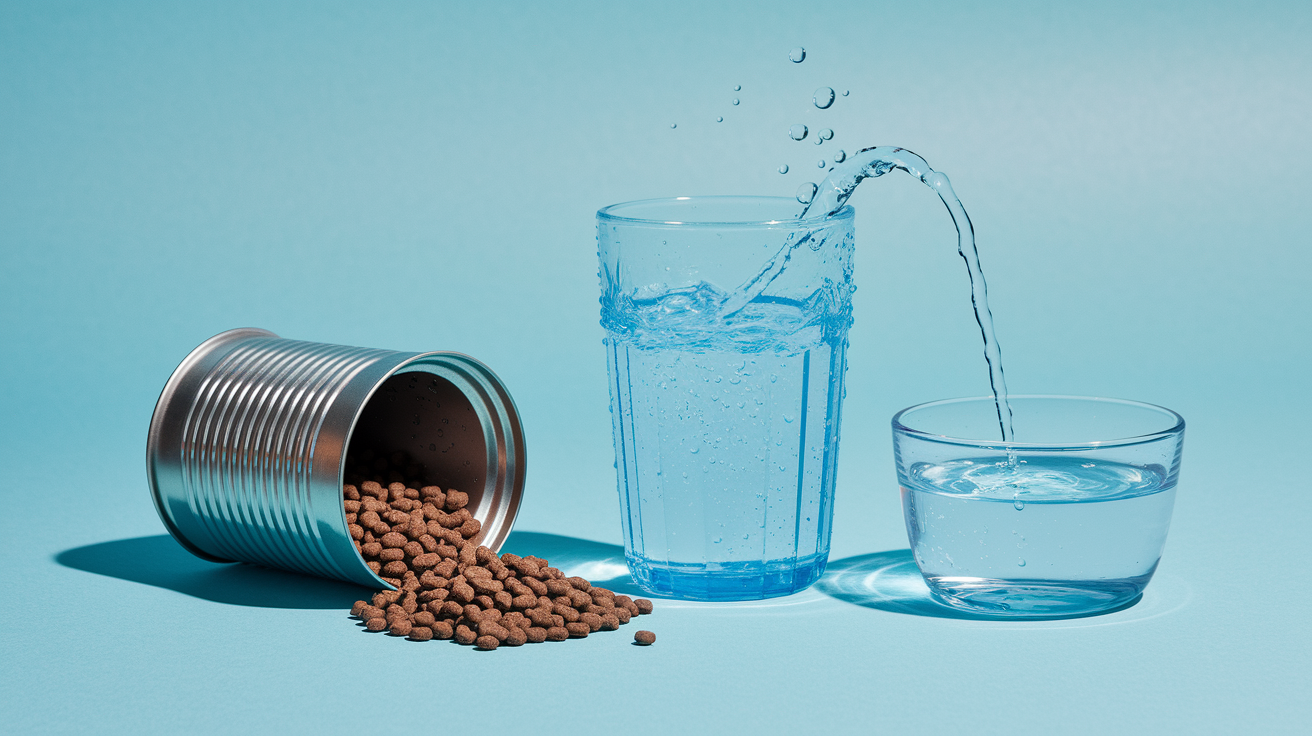
The moisture difference between wet and dry food isn’t a small detail. Dry kibble sits around 10% moisture, while wet and canned formulas run 75% to 78%, with some stew and gravy styles reaching nearly 87.5% water. That’s a massive gap, and it directly affects how much water your dog takes in through meals versus through the water bowl.
Think of it like this. A dog eating only dry kibble is getting almost all of their water from drinking, while a dog on wet food gets a good chunk of their daily water intake just from eating breakfast and dinner.
This matters more for some dogs than others. Dogs with kidney or bladder issues often benefit from the added moisture in wet food, since it supports urinary tract health and reduces strain on the kidneys. Dogs that are naturally poor water drinkers, seniors with dental pain, pets recovering from a dental procedure, or dogs dealing with sensitive stomachs or constipation often do better with the extra hydration wet food provides.
Final Words
There’s no single winner, and the right choice depends on your dog’s health, your budget, and your daily routine. Quick verdict: dry for convenience, cost, and modest dental help; wet for extra hydration and tastiness; mixing both is the common middle ground.
This post walked through a comparison chart, how to compare nutrients on a dry-matter basis, moisture and hydration notes, and dental effects so you can make an informed pick.
Use the wet dog food vs dry dog food pros and cons here to try a simple plan, watch your dog, and adjust. You’ve got this.
FAQ
Q: Is wet dog food more expensive than kibble?
A: Wet dog food is generally more expensive per meal than kibble. Dry food usually costs a fraction per serving; wet meals can run a few dollars depending on brand, so budget accordingly.
Q: What are the top three dog foods to avoid?
A: The top three dog foods to avoid are: products listing vague “meat” or unnamed by-products, low-cost grocery brands with long filler lists and little transparency, and any food currently under safety recall.
Q: What is the #1 recommended dog food?
A: The #1 recommended dog food is the one that matches your dog’s life stage and health needs—choose an AAFCO-complete formula with a clear ingredient list, right calorie level, and vet approval for medical issues.
Q: Which is better for dogs, dry food or wet food?
A: Choosing between dry and wet food depends on your dog’s health, budget, and routine. Dry favors cost, convenience, and dental help; wet favors hydration and palatability; mixed feeding suits many households.
More from Politics
 Training
Teach a Dog to Walk on a Loose Leash Indoors
 Health
Cat Not Eating Checklist: Quick Troubleshooting Steps
 Pet Products
Self-Cleaning Litter Box vs Manual: Which Wins?
 Pet Lifestyle