Pet Lifestyle
Household Toxins for Dogs and Cats: Hidden Dangers
Grapes, xylitol, and more: see our list of common household toxins for dogs and cats, plus first steps to take right now.
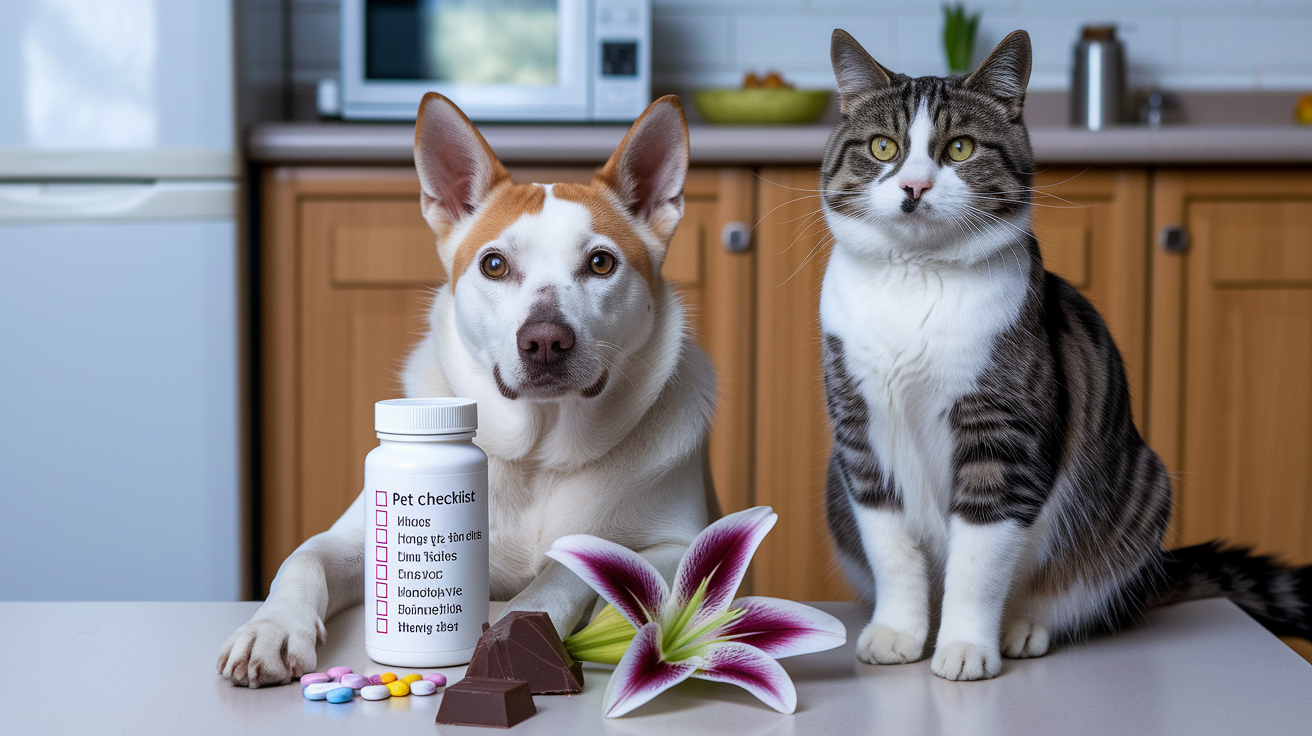
Did you know a dropped grape or a sugar-free treat can become a life-or-death emergency for your dog or cat?
Pets explore with their mouths, so kitchens, bathrooms, garages, and flower vases hide real hazards.
This post lists the common household toxins—where they’re usually found, how they affect dogs and cats, and the exact first steps to take now.
You’ll learn what to watch for, what not to do, and when to call your vet or poison control so you save time and avoid worse harm.
Emergency Pet Poison Checklist and Immediate Actions
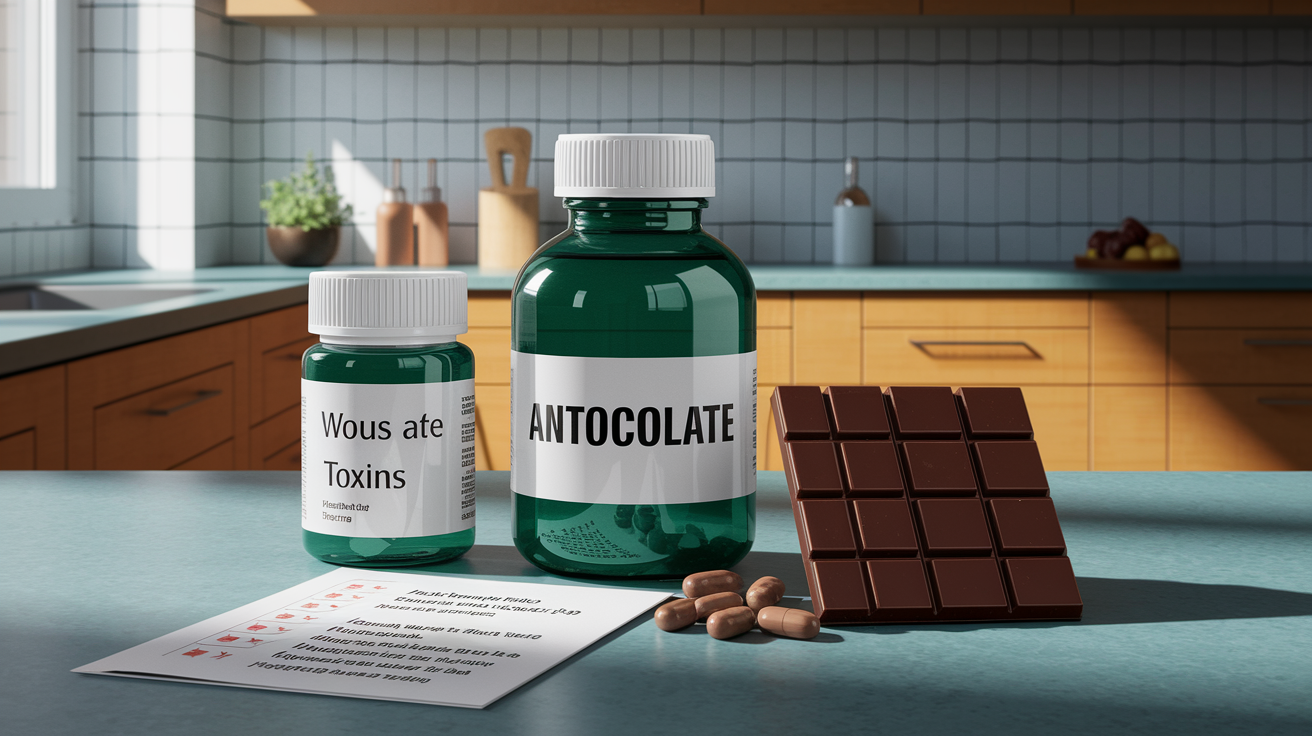
Dogs and cats explore the world with their nose, mouth, and paws. That means kitchens, bathrooms, garages, gardens, and pet-care areas all double as potential danger zones. Curiosity, scavenging, and grooming habits put pets within reach of common household poisons long before most owners even notice something’s missing from the counter or cabinet.
If you suspect your pet got into something they shouldn’t have, don’t wait around to see if symptoms show up. Call your veterinarian, the nearest emergency veterinary clinic, or an animal poison control service right away. Don’t induce vomiting or give any home remedy unless a veterinary professional specifically tells you to. Many substances cause more damage coming back up, and some require specific treatment timing. Calmly move your pet away from the source, and grab the product package, medication bottle, bait wrapper, or a secured sample of the plant on your way out the door. Having that information in hand saves precious time once you’re on the phone or in the exam room.
Keep these two numbers saved in your phone: ASPCA Animal Poison Control Center at (888) 426-4435 and Pet Poison Helpline at (855) 764-7661. Both are staffed 24/7, though a consultation fee may apply.
| Toxin or Category | Where It Is Commonly Found | Dog/Cat-Specific Risk | Urgency | Immediate Action |
|---|---|---|---|---|
| True lilies | Bouquets, gardens, flower arrangements | Cats: severe, often fatal kidney injury | Emergency | Remove flowers/water, call vet immediately |
| Antifreeze | Garages, driveways, spill residue | Both: small amounts can be fatal | Emergency | Wipe paws, prevent licking, call vet now |
| Xylitol | Sugar-free gum, peanut butter, baked goods | Dogs: rapid, dangerous blood sugar drop | Emergency | Remove product, call poison control immediately |
| Grapes/raisins | Kitchen counters, trail mix, baked goods | Dogs: kidney failure risk, no safe amount | Urgent | Call vet, bring packaging if available |
| Chocolate | Pantries, holiday candy, baking supplies | Dogs: higher documented risk than cats | Urgent | Note type/amount eaten, call vet |
| Human medications | Nightstands, purses, pill organizers | Both: even one pill can be dangerous | Emergency | Bring bottle, call poison control now |
| Rodenticides | Garages, sheds, under appliances | Both: internal bleeding or neurologic harm | Emergency | Bring bait packaging, call vet immediately |
| Permethrin dog products on cats | Flea/tick treatments applied incorrectly | Cats: severe tremors and seizures | Emergency | Bathe if directed, call poison control now |
The sections below walk through how each of these toxins actually affects the body, what doses matter, how dogs and cats respond differently, and what symptoms to watch for.
Common Toxic Foods for Dogs and Cats
(((alt-img2)))
Most food related poisonings start in pretty ordinary moments. Counter surfing while you answer the door, a toddler dropping a snack, an unattended purse on the floor, or a trash can that wasn’t quite latched. Baked goods cooling on the counter and holiday candy bowls are two of the biggest repeat offenders.
Chocolate contains theobromine, which affects the heart and nervous system. Mild signs appear around 20 mg/kg, severe effects above 40 to 60 mg/kg, and potentially lethal exposure above 100 to 200 mg/kg. Baker’s and dark chocolate are far more concentrated than milk chocolate, so even a small piece can matter for a small dog. Dogs face the greater documented risk here. Keep chocolate stored in closed cabinets, not just “out of sight” on counters. This one ranges from Urgent to Emergency depending on amount and type.
Grapes and raisins don’t have an established safe threshold. Even a small amount can trigger acute kidney injury within 24 to 72 hours in dogs. Symptoms may include vomiting, lethargy, and reduced urination, sometimes delayed by a day. Treat any ingestion as Urgent. Keep grapes, raisins, and foods containing them, like trail mix or some granola bars, off counters entirely.
Xylitol triggers a rapid insulin release in dogs, causing dangerous hypoglycemia at roughly 0.05 to 0.1 g/kg, with liver failure risk above about 0.5 g/kg. It’s hidden in sugar-free gum, some peanut butters, and sugar-free baked goods. Onset can be fast, sometimes within 30 to 60 minutes. This is an Emergency for dogs. Always check peanut butter
Final Words
Act now: this post gave a compact emergency checklist—how to remove your pet from a hazard, who to call (vet, emergency clinic, or poison-control), and why you shouldn’t induce vomiting or use home remedies unless a professional directs it.
You also learned the top risky foods and houseplants, urgency labels, and simple prevention steps like securing food, removing true lilies for cats, and storing chemicals and medicines up high.
Save or print this list of common household toxins for dogs and cats, keep it by your first-aid kit, and remember: a little prep makes emergencies easier to handle.
FAQ
Q: What is the most toxic household item for dogs?
A: The most toxic household item for dogs is antifreeze (ethylene glycol); tiny amounts can be fatal and need Emergency contact with a veterinarian or animal poison-control service right away.
Q: What are the top 10 most toxic household items or common toxins for dogs?
A: The top 10 most toxic household items for pets often are: lilies (cats), antifreeze, xylitol, grapes/raisins, chocolate, human medications, rodenticides, permethrin-on-cats, macadamia nuts, and onions/garlic.
Q: What are common household things that are toxic to cats?
A: Common household things toxic to cats include true lilies (Emergency), antifreeze, certain human medicines, rodent baits, permethrin dog products used on cats, some houseplants, and foods like onions and garlic.
More from Politics
 Training
Teach a Dog to Walk on a Loose Leash Indoors
 Health
Cat Not Eating Checklist: Quick Troubleshooting Steps
 Pet Products
Self-Cleaning Litter Box vs Manual: Which Wins?
Pet Lifestyle