Training
Teach a Dog to Walk on a Loose Leash Indoors
Teach a dog to walk on a loose leash at home with a simple indoor routine, quick wins, common mistakes to avoid, and when to call a trainer.
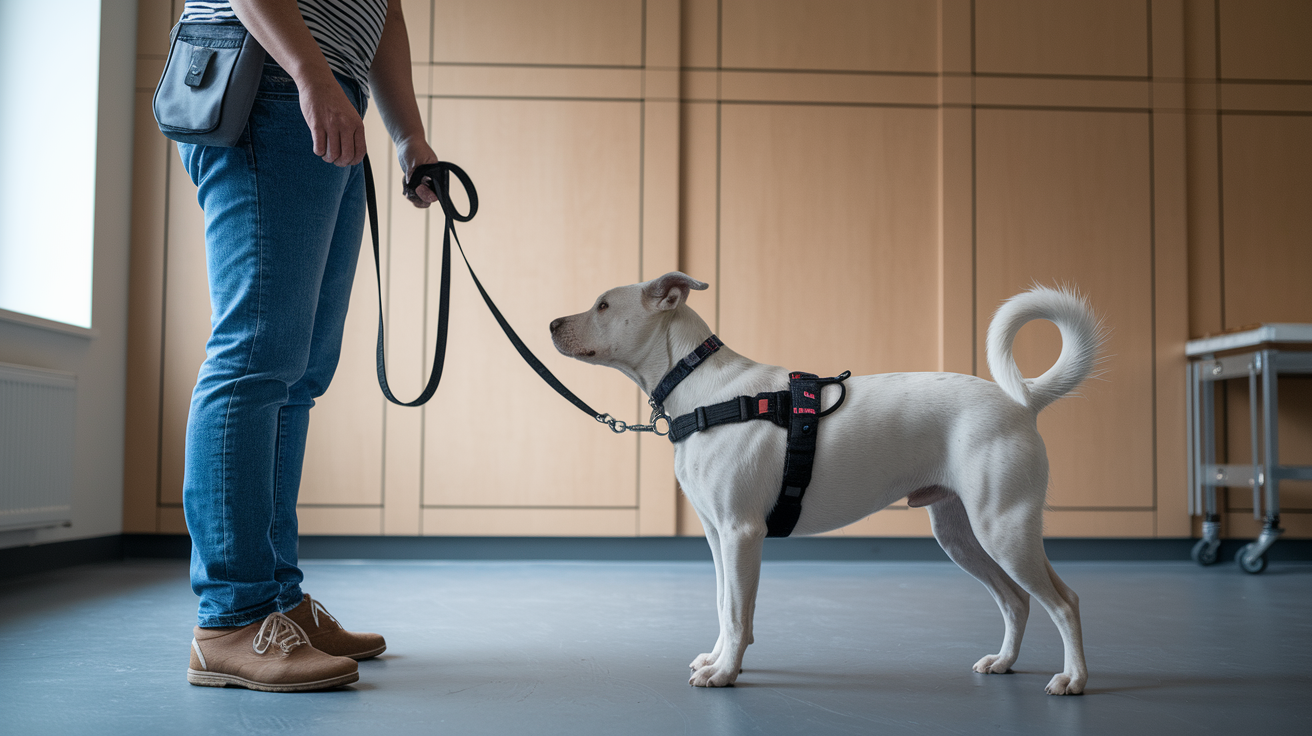
Think a dog that pulls needs tougher corrections? Think again.
Start indoors today: pick a quiet room, keep sessions five to ten minutes, and reward whenever the leash hangs in a loose J shape.
Loose-leash walking isn’t a single trick. It’s a mix of your dog’s attention, your timing, and tiny steps that add up.
This post gives a short, step-by-step indoor routine you can try today, simple signs to watch for, common mistakes to avoid, and when to ask a trainer for help.
A Beginner’s Quick-Start Routine
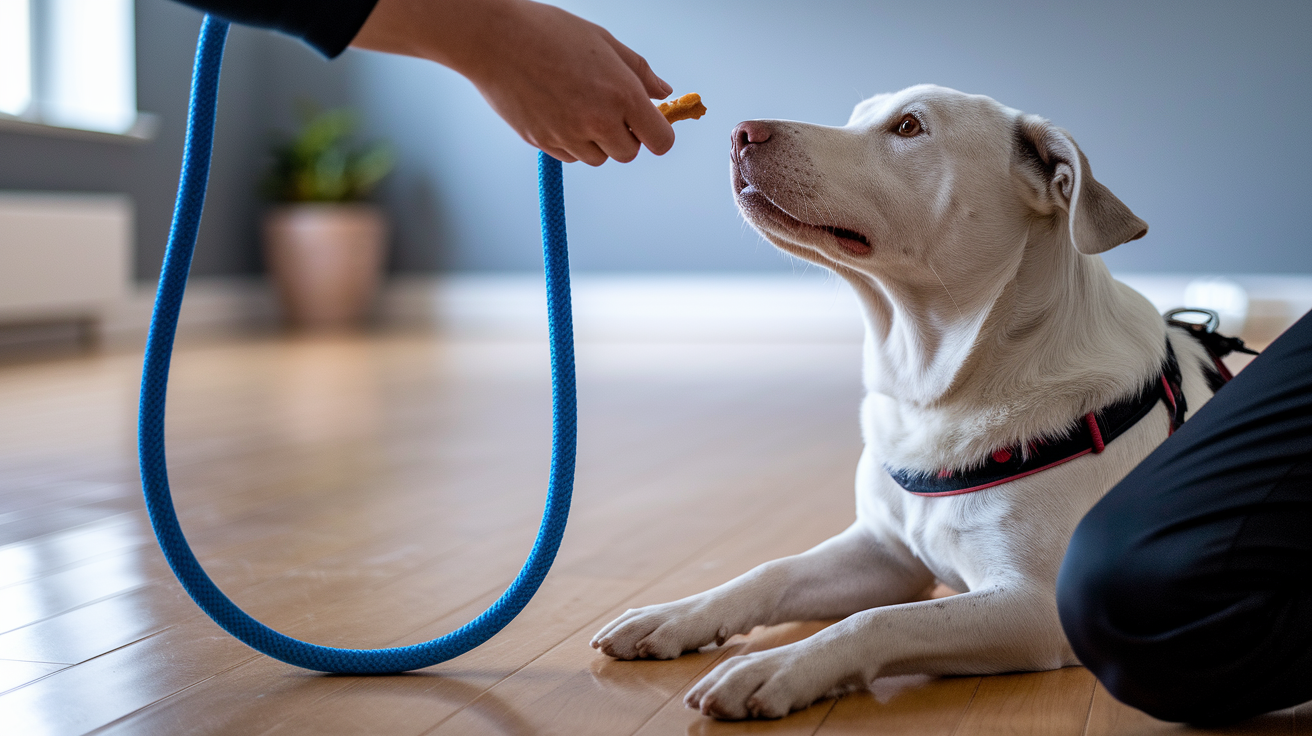
Loose-leash walking isn’t one trick your dog either knows or doesn’t. It’s a bunch of small skills working together, your dog’s attention, your timing, your treat placement, all happening at once. That’s why the first session should feel almost boring. Small space, few distractions, short reps.
Start in a quiet room with no other pets, kids, or doorbell interruptions. Success here looks simple: the leash hangs in a loose “J” shape while your dog can still sniff, move, and glance up at you. That’s it. Not a stiff heel glued to your side.
- Put on the dog’s required harness and leash.
- Choose a quiet room and prepare small, motivating rewards.
- Reward attention while the leash remains slack.
- Walk 2 to 4 steps and deliver the reward beside the handler’s leg.
- Stop when tension appears and resume only after the leash becomes slack.
- Continue for 5 to 10 minutes and finish after an easy success.
Most dogs start showing real improvement somewhere between 2 and 8 weeks of short, daily practice. Dogs with a long pulling history, think months or years of leaning into the leash, may need 8 to 12 weeks, sometimes with help from a professional trainer. That’s normal. It doesn’t mean you’re doing something wrong.
One session won’t be perfect, and it doesn’t need to be. What matters is the trend over days and weeks, not any single walk. A quick safety note: never jerk the leash, use physical punishment, or apply pain based corrections to stop pulling. These methods can create fear, damage trust, and sometimes make pulling worse.
For a visual reference, look for a 30 to 90 second demonstration video showing correct leash slack, where treats land near the handler’s leg, and how the stop on tension response works in real time.
Choosing Where to Practise Loose-Leash Skills
Every room, hallway, and backyard corner is really its own training zone with its own distraction level. Picking the right one at the right time matters just as much as your timing with treats.
| Practice Area | Advantages | Limitations | Advancement Standard |
|---|---|---|---|
| Quiet room | Minimal distractions, full control over rewards, easy to reset | Very limited space for movement | Dog takes treats easily and responds to its name consistently |
| Hallway, garage, or large indoor area | More room for steps and turns, still weatherproof | Mild distractions like household sounds or other pets | Dog recovers quickly from brief distractions and keeps walking loosely |
| Fenced backyard | Real outdoor smells and sounds in a contained space | Birds, neighbors, and unpredictable noises appear | Dog disengages from distractions without repeated handler prompting |
| Quiet outdoor route | Closest match to real walking conditions | Traffic, other dogs, and changing surfaces appear | Dog maintains the skill with only occasional handler reminders |
Indoor training has real advantages. No weather to work around, no surprise dogs rounding a corner, and you control exactly when and how rewards show up. But a living room will never fully recreate a jogger, a squirrel, or a garbage truck. That gap is expected, not a sign you’ve failed.
The move from couch to curb should happen in stages. Start with mild household activity, someone walking through the kitchen, then a longer indoor route, then a fenced yard, and only then a quiet street before busier sidewalks. Think of it like learning to swim in a shallow pool before heading to open water. Each step adds just a little more challenge.
- Return to the previous training zone if the dog cannot take food or respond to its name.
- Increase distance from people, animals, sounds, or moving objects.
- Shorten the route and lower the distraction level.
- Restore success before attempting the harder environment again.
If your dog does great in the hallway but falls apart the second you step outside, that’s not a setback. It just means the skill needs practice in that new context too. Dogs don’t automatically transfer learning from one place to another, and that’s worth remembering before frustration sets in.
Equipment for Loose-Leash Training at Home
(((alt-img3)))
Good gear won’t train your dog by itself, but the wrong gear can work against you before you’ve even started. A few thoughtful choices make the whole process smoother.
| Item | Recommended Specification | Purpose | Safety Note |
|---|---|---|---|
| Flat leash | 4 to 6 feet, $8 to $20 | Standard indoor drills and close distance control | Check stitching and clip strength before use |
| Front-clip harness | Well-fitted, $20 to $50 | Reduces pulling leverage during training | Should not rub armpits or restrict shoulder movement |
| Back-clip harness | Snug but comfortable fit | Good for long line attachment and calmer walkers | Not ideal alone for dogs who pull hard |
| Flat collar | Properly fitted, two-finger rule | ID tags and light
Final WordsStart practicing the quick-start routine today: put on a simple leash and harness, pick a quiet room, and reward attention and a slack leash. Build foundation skills like name response, hand targeting, and stopping when the leash tightens. Progress slowly—add distance, turns, and mild distractions only after consistent short-session success. Track 2–4 brief sessions a day, fade treats gradually, and never use jerks or pain-based corrections. With patience and steady practice, you can teach a dog to walk on a loose leash at home. Small wins add up—keep it positive and celebrate progress. FAQQ: What is the hardest command to teach a dog?A: The hardest command to teach a dog is often a reliable “heel” (close walking), because it needs sustained attention, impulse control, and precise timing; use short sessions and reward tiny improvements. Q: How do you say no in dog language?A: You say no in dog language by using a calm, consistent interrupter (short sound or firm cue), then stopping movement and quickly redirecting to a wanted behaviour, rewarding the replacement so the dog learns what to do. Q: How long does it take to train a dog to loose leash walk?A: Training a dog to loose leash walk typically takes 2–8 weeks of short, regular practice for most dogs; severe pulling can require 8–12 weeks or the help of a qualified trainer. Q: Why is loose leash walking so hard?A: Loose leash walking is hard because it combines attention, position, impulse control, and precise handler timing; distractions and inconsistent rewards make it slower to learn and easier to lose. |
More from Politics
Training
Teach a Dog to Walk on a Loose Leash Indoors
 Health
Cat Not Eating Checklist: Quick Troubleshooting Steps
 Pet Products
Self-Cleaning Litter Box vs Manual: Which Wins?
 Pet Lifestyle