Pet Care
Evening Calming Routine for Dogs: Peaceful Nights Await
Stop the nighttime pacing with a 5-step evening calming routine for dogs. Try it tonight and see calmer nights in just a few days.
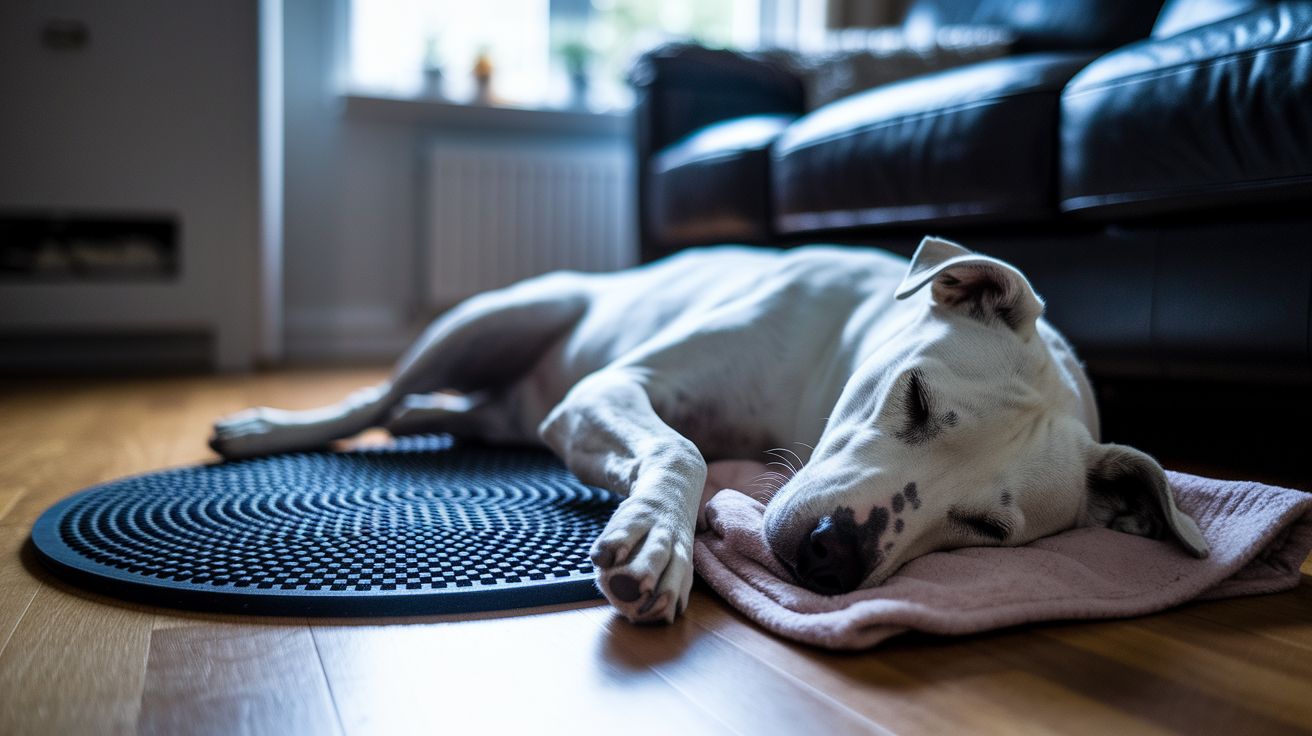
What if a five-step evening routine could end your dog’s nighttime pacing and save everyone’s sleep?
A simple, repeatable evening calming routine for dogs really can make that happen.
Start tonight with a calm, sniff-focused walk, a steady dinner time, a short chew or lick mat, a quiet low-light wind-down, and one final toilet break, always in the same order.
This post walks you through each step so you can try the sequence tonight and often see calmer nights in just a few evenings.
Five Steps To Help Your Dog Settle At Night
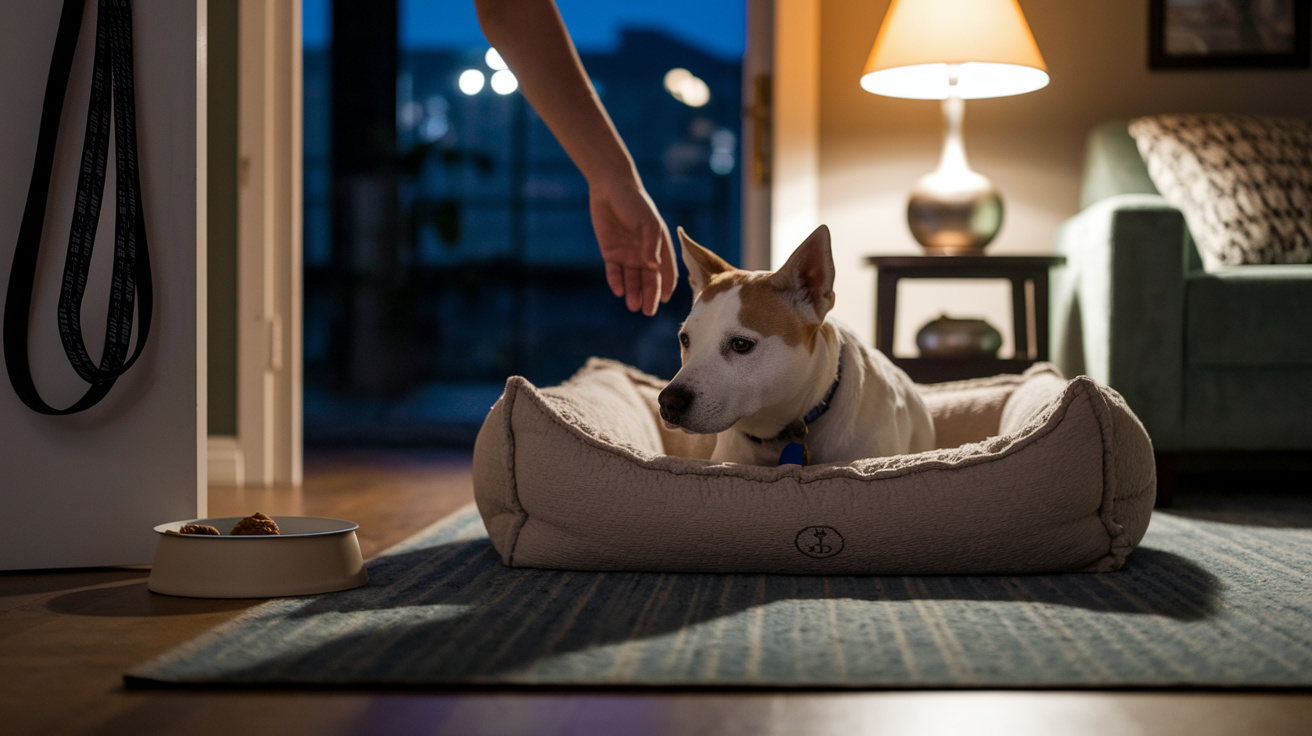
A simple, repeatable evening routine can be the difference between a restless pet and a peaceful night for everyone in the house. Here’s a quick start sequence you can try tonight.
- Take your dog on a calm, sniff focused walk rather than an energetic one.
- Serve the evening meal at a consistent time.
- Offer a brief chew or lick mat to help shift your dog into a lower gear.
- Create a quiet, low stimulation window with dim lights and a calm household.
- Give a final toilet break, then guide your dog to its sleep space.
You can shift these times earlier or later depending on your household’s schedule, as long as the order stays the same each night. Most homes land somewhere between 9pm and 11pm for actual bedtime.
Skip fetch, chasing games, tug of war, or wrestling in the two hours before bed. These activities rev up the nervous system right when you’re trying to calm it down.
One quick note before we go further. Sudden or unusual nighttime restlessness, especially paired with panting, pain, confusion, or changes in toilet habits, deserves a conversation with your veterinarian. It’s always worth ruling out a medical cause.
Why Dogs Struggle To Settle In The Evening
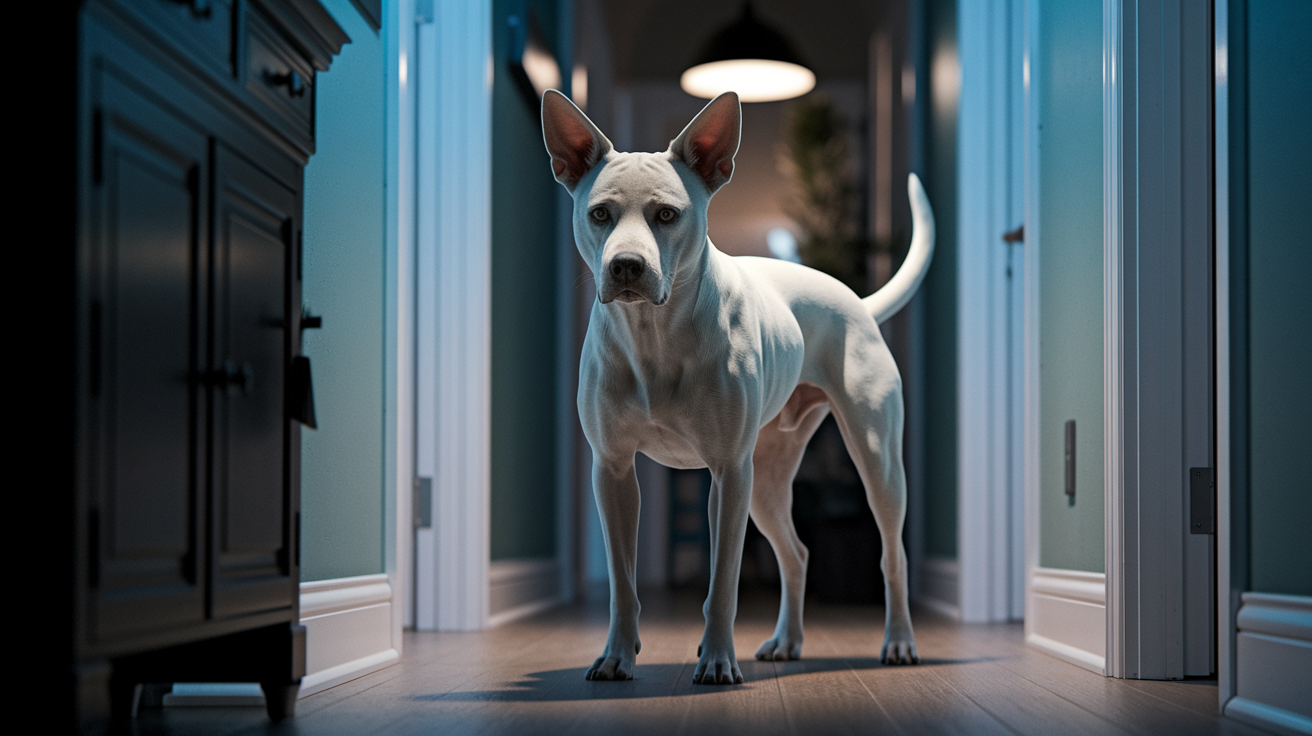
Evening restlessness usually isn’t about stubbornness or bad behavior. It often comes down to cortisol, the stress hormone that builds up throughout the day from normal activities like walks, visitors, car rides, and even excitement at mealtime. Without a predictable wind down signal, that cortisol has nowhere to go, and your dog’s body stays on alert even when it’s clearly tired. This is part of why puppies especially go through what many owners call the “witching hour,” a stretch of time where the brain is worn out but the body is still buzzing. Ever notice how your dog seems more wound up right before bed than earlier in the day? That’s overstimulation showing up as what looks like extra energy, even though rest is exactly what’s needed.
The type of activity matters just as much as the timing. Cortisol typically drops to about half its peak level within roughly 60 minutes after something stimulating happens, but intense exercise like a hard game of fetch can take 60 to 90 minutes, or longer, to fully clear from the body. So a rowdy play session right before bed can quietly undo your whole routine. If your dog is pacing, panting, repeatedly shifting position, pawing at you, or vocalizing in the evening, it’s easy to assume they need to burn off more energy. But these signs often point to stress or discomfort rather than a need for more exercise. Sometimes the most helpful thing you can do is the opposite of what feels intuitive. Slow everything down.
Customising The Schedule Around Your Dog And Household
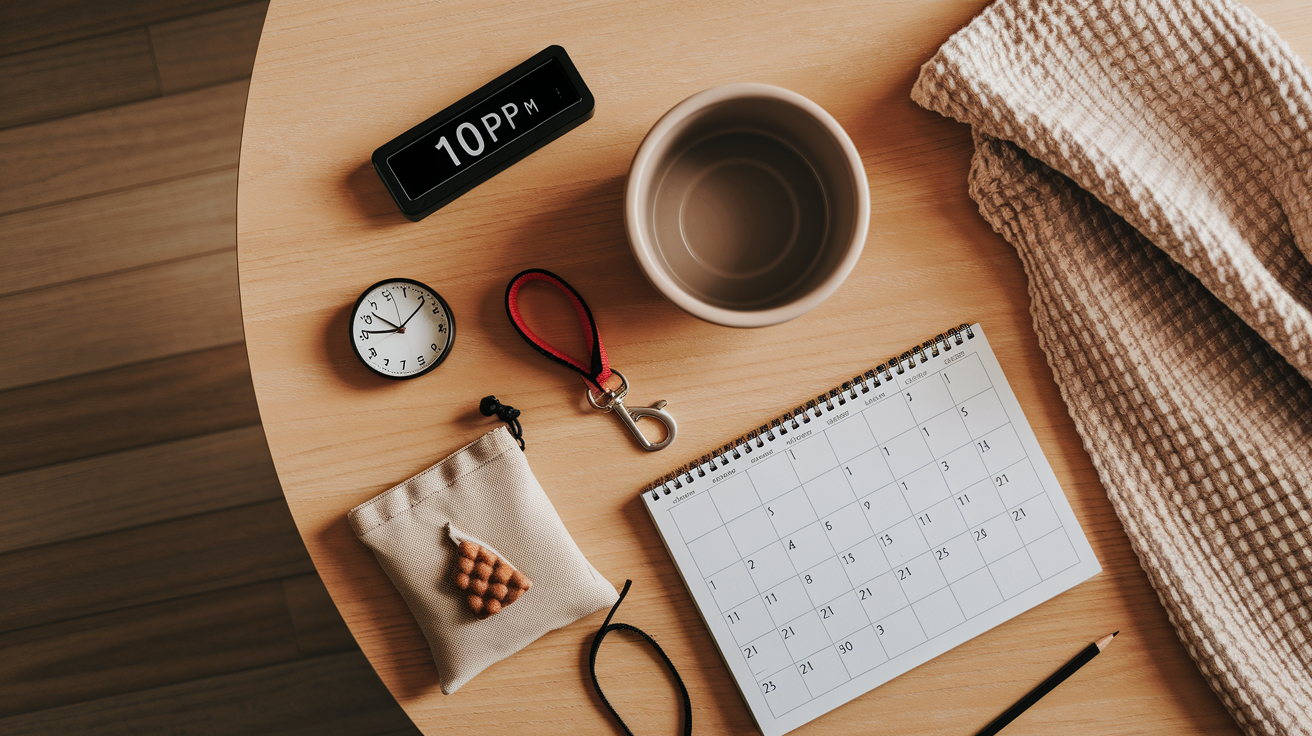
Start with your household’s target bedtime, usually somewhere between 9pm and 11pm, and build backward from there. Vigorous exercise should wrap up at least two hours before that time, giving cortisol levels a chance to settle before you expect your dog to do the same. The final toilet break should happen close enough to bedtime that it actually reduces the odds of an overnight wake up call, but not so rushed that your dog feels hurried through it.
Feeding timing matters too, and it’s worth thinking through based on your dog’s normal digestion and bathroom patterns. Some dogs do best eating dinner a couple of hours before bed so they have time to digest and toilet afterward. If your vet has you on a specific feeding plan, especially for a dog with digestive sensitivities or a medical condition, that guidance should take priority over general timing suggestions. A chew or lick mat can work nicely as a bridge between dinner and the quiet wind down period, and we’ll get into the full details of that enrichment option further down.
Age changes the equation in predictable ways. Puppies often need one more toilet break immediately before lights out, and even then, they may not make it through the whole night dry. That’s normal for young pups, not a training failure. Senior dogs tend to benefit from shorter evening walks, a bit more time to transition between activities without feeling rushed, a later toilet opportunity, and extra consideration for joint pain, reduced mobility, medication timing, or cognitive changes that can make nighttime more confusing for them.
Real life doesn’t always cooperate with a fixed schedule, and that’s fine. Work nights, weekends, and social plans will shift things around, and that’s normal too. What matters more than hitting exact clock times is keeping the same order: calm movement, food if it’s mealtime, a decompression period, a toilet break, then bed. A predictable sequence gives your dog a reliable cue to settle, even when the actual hour on the clock moves around a little.
Calming Techniques To Use Before Bedtime
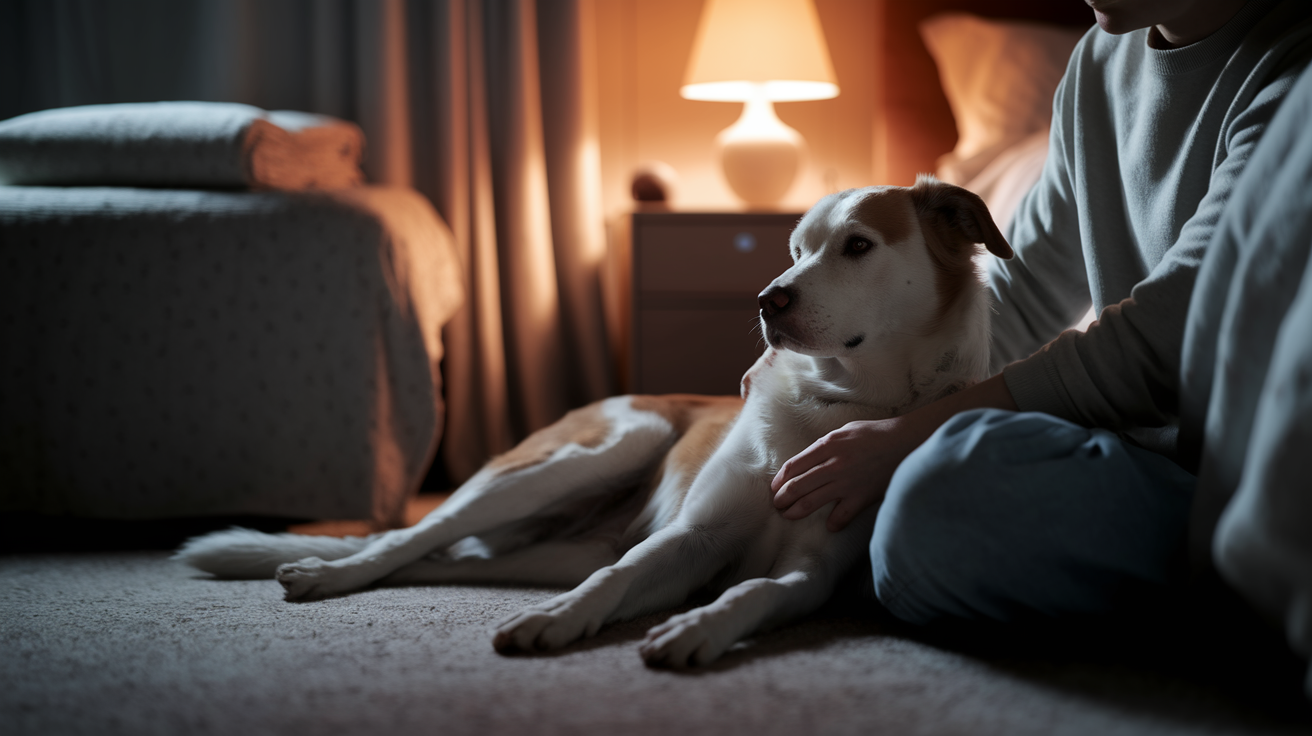
Touch can be a powerful calming tool when it’s done right. Slow ear strokes, gentle chest rubs, or simply sitting quietly beside your dog can all help signal that it’s time to relax. Pay attention to body language while you do this. If your dog moves away, stiffens up, keeps turning their head, or otherwise seems uncomfortable, that’s your cue to stop and give them space instead.
A short, consistent verbal phrase can become a surprisingly effective sleep cue over time. Something simple like “Time to settle,” said the same way every night in a soft, unhurried tone, starts to carry meaning for your dog the more you use it. This isn’t the moment for excited praise, repeated commands, or animated chit chat. Keep your voice low and slow, the same way you’d talk to someone who’s already half asleep.
Sound can quietly support the whole wind down process too. Low volume calming music or steady white noise can mask doors closing, traffic outside, voices in another room, and other unpredictable household sounds that might otherwise pull your dog’s attention. Think of it as a helpful background layer, not a fix all. If your dog’s nighttime struggles are rooted in anxiety, pain, an unmet toilet need, or an uncomfortable sleep space, sound alone won’t solve those underlying issues.
Sensory Games And Enrichment For Winding Down
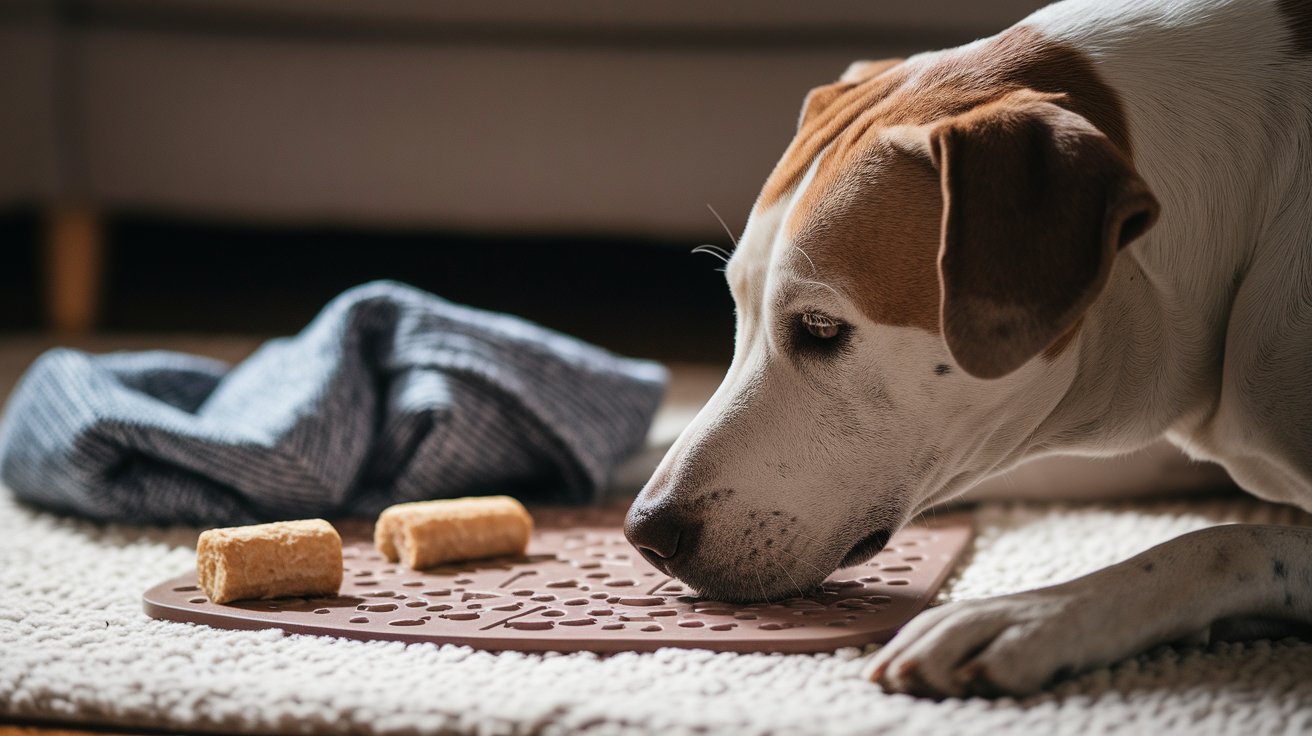
Sniff and find games
Final Words
Start the evening with the five-step wind-down: a calm sniff walk, evening meal, a short chew or lick mat, a quiet decompression window, and a final toilet break before bed.
Keep the order even if clock times shift, stop fetch or rough play at least 2 hours before sleep, and use gentle touch, a soft verbal cue, or low-level sound to signal rest.
Watch for sudden restlessness, panting, pain, confusion, or changed toilet habits and check with your vet if those appear. A steady evening calming routine for dogs brings predictability and calmer nights—start small and stay consistent.
FAQ
Q: How do I help my dog relax at night? / What is a good sleep routine for a dog?
A: Helping your dog relax at night and creating a good sleep routine means a predictable wind-down: calm sniff-focused walk, evening meal, short chew or lick mat, low-stimulation quiet time, final toilet and bed.
Q: What month is hardest with a puppy?
A: The hardest months with a puppy are often months two to four, when housetraining, routine building and the evening “witching hour” cause extra energy and sleep disruption.
Q: How to calm a frightened dog?
A: Calming a frightened dog starts with giving space and a quiet safe spot, speaking softly, offering nonthreatening slow touch only if invited, avoiding forced eye contact, and calling a trainer or vet if fear persists or escalates.
More from Politics
 Training
Teach a Dog to Walk on a Loose Leash Indoors
 Health
Cat Not Eating Checklist: Quick Troubleshooting Steps
 Pet Products
Self-Cleaning Litter Box vs Manual: Which Wins?
 Pet Lifestyle