Featured
Puppy Vaccination Schedule by Age: Complete Timeline
Puppy vaccination schedule by age: what to do at 6, 12, and 16 weeks, plus 12-month boosters, so your pup stays protected all year.
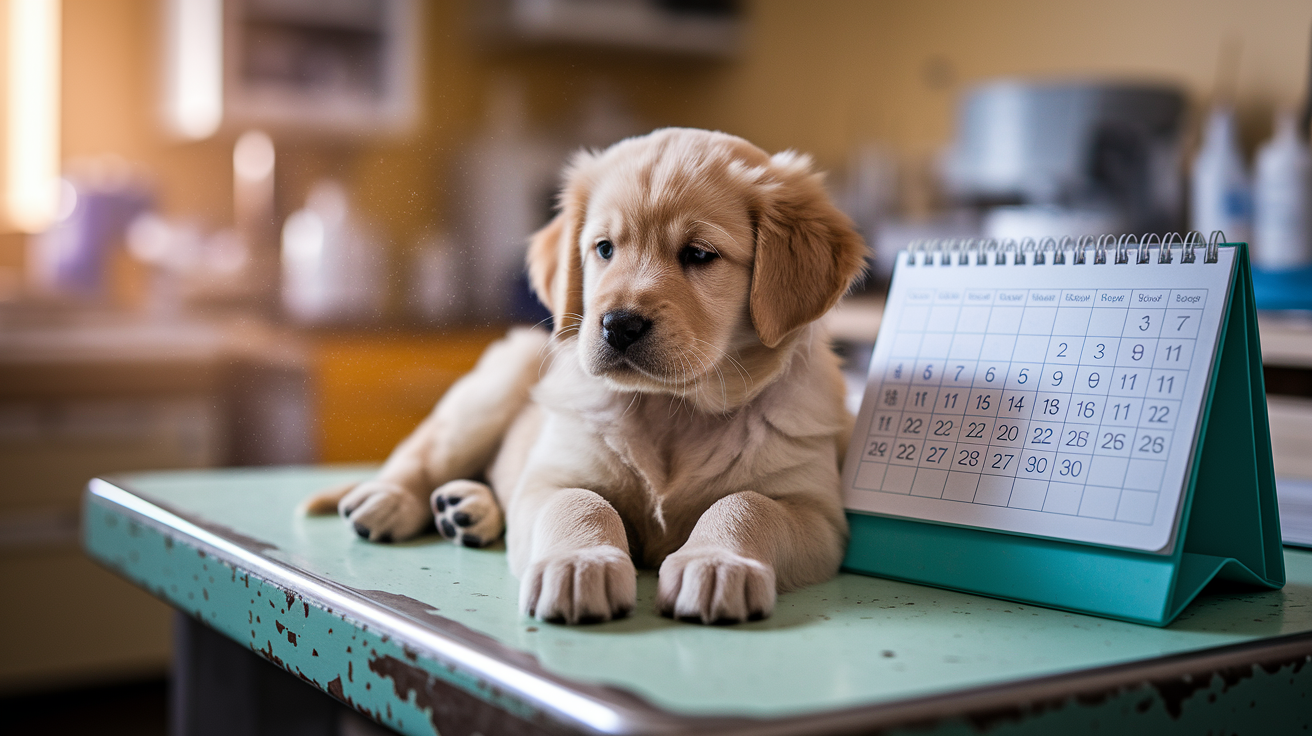
Think your new pup’s safe after the first shot?
Not always.
Start by booking a vet visit and marking DHPP and rabies windows on your calendar.
This guide lays out a simple, age-by-age vaccine timeline for the first year.
You’ll get clear steps for what to do at 6–8, 10–12, 12–16 weeks and the 12-month boosters, plus which non-core shots to discuss with your vet.
Follow this timeline so your puppy builds protection safely and you know when to avoid busy dog parks or call your vet.
First-Year Vaccine Timeline at a Glance
Before you even glance at the chart below, here’s the honest truth: this is a general guide, not a personal prescription. Your vet will tailor the timing to your puppy’s health, age, prior vaccine records, maternal antibody protection, exposure risks, the specific vaccine products used, and your local rabies laws. Think of this as a starting point for the conversation, not the final word.
With that said, here’s what a typical first-year schedule looks like.
| Puppy Age | Core Vaccines and Dose Number | Risk-Based Vaccines | Intervals and Important Notes |
|---|---|---|---|
| 6–8 weeks | DHPP dose #1 | None routinely; some optional vaccines may be considered based on individual risk | This is usually the starting point for the primary puppy series |
| 10–12 weeks | DHPP dose #2 | Leptospirosis, Bordetella, canine influenza, or other optional vaccines may be recommended depending on exposure | Doses in a series are generally spaced 2 to 4 weeks apart |
| 12–16 weeks | Final puppy DHPP dose, plus rabies | Second doses of any risk-based vaccines started earlier, if applicable | Rabies timing varies by jurisdiction, so check your local requirements |
| 12 months | First-year DHPP booster and rabies booster | Any applicable risk-based boosters (Bordetella, Leptospirosis, Lyme, canine influenza) | This visit marks the shift from puppy series to adult maintenance schedule |
Here’s something a lot of new puppy owners don’t realize. Your puppy generally needs about 1 to 2 weeks after that final puppy dose before their immune protection hits its strongest point. It’s not instant. Even after that last shot at the vet’s office, your puppy’s body still needs a little time to build up its defenses.
So what does that mean for your daily routine? Ask your vet about safe socialization during this window. Some vets are fine with carefully chosen puppy classes or supervised playdates with healthy, vaccinated dogs even before the series wraps up, since early socialization matters too. But it’s smart to hold off on high-risk, heavily trafficked spots like dog parks, pet store floors, or boarding facilities until your puppy gets the all-clear. Those are the places where unvaccinated or under-vaccinated puppies run into trouble most often.
Core Vaccines Every Puppy Needs
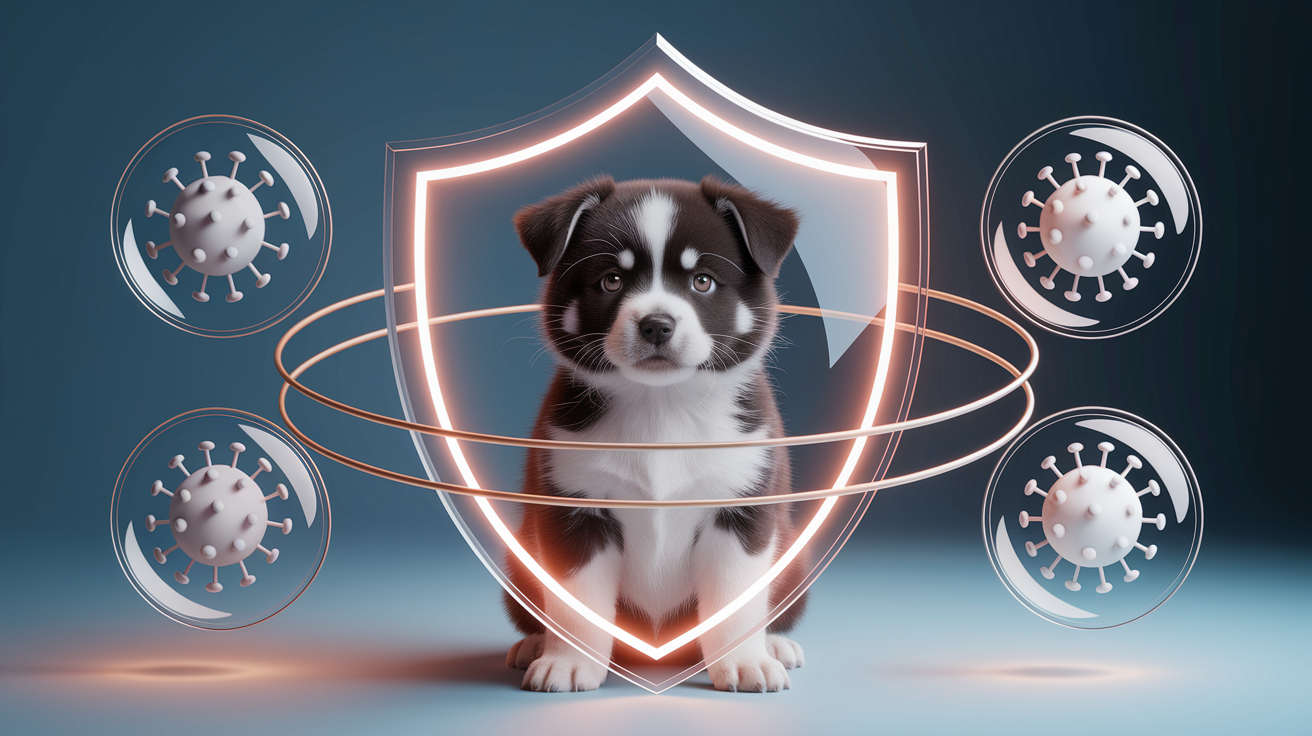
Core vaccines are the ones recommended for nearly every puppy, no matter where you live or how your dog spends their days. Why? Because the diseases they protect against are severe, widespread, easily spread between dogs, or in rabies’s case, a risk to people too.
Here’s what falls into this category and why each one matters.
-
Canine distemper – This virus can hit your puppy’s respiratory system, digestive system, and nervous system all at once. It spreads easily between dogs and can cause lasting neurological damage even in puppies that survive it. This is one of the main reasons vaccination schedules start so early in life.
-
Adenovirus (canine hepatitis) – This virus causes infectious canine hepatitis, which affects the liver and can escalate quickly in young puppies with developing immune systems. Vaccination here is about preventing a disease that can turn serious fast.
-
Parvovirus – This one deserves extra attention because it’s especially dangerous for puppies. It causes severe vomiting, diarrhea, and dehydration (not having enough water in the body), and it can be fatal without aggressive treatment. Parvo is also incredibly hardy in the environment, which is part of why vaccination timing matters so much.
-
Rabies – This virus attacks the nervous system and is almost always fatal once symptoms appear. It can also infect people, which is why rabies vaccination is regulated by law in most places.
Distemper, adenovirus, and parvovirus protection usually come combined in the DHPP vaccine, while rabies is given as its own separate shot.
Rabies vaccination isn’t just a recommendation in most areas, it’s a legal requirement. And honestly, it’s one of those rare vaccines that protects both your dog and your family. For exact dose ages and timing, head back to the first-year timeline above.
Non-Core Vaccines to Discuss With Your Vet
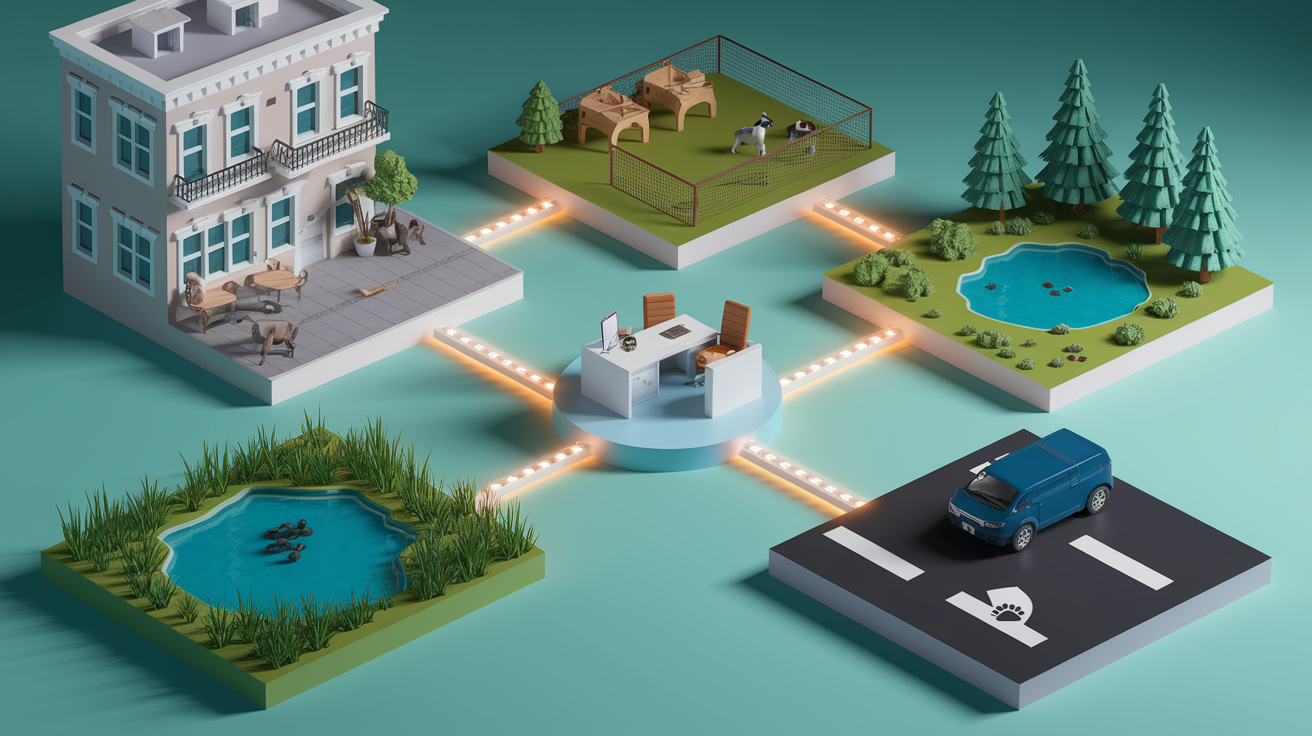
Non-core doesn’t mean unimportant. It just means these vaccines depend on your puppy’s lifestyle, where you live, whether you travel, and what kind of exposure your dog is likely to have. A city apartment dog and a farm dog living a few states apart might need very different non-core vaccine plans.
Here’s a quick breakdown to help guide that conversation with your vet.
| Vaccine | Who May Need It | Key Exposure Risks | Special Administration Considerations |
|---|---|---|---|
| Bordetella | Puppies attending daycare, boarding, training classes, or dog shows | Close, frequent contact with other dogs in group settings | Comes in intranasal, oral, and injectable forms, each with different timing and administration |
| Leptospirosis | Dogs with outdoor access, especially near water or wildlife | Contaminated water, soil, and exposure to wildlife or rodent urine |
More from Politics
 Training
Teach a Dog to Walk on a Loose Leash Indoors
 Health
Cat Not Eating Checklist: Quick Troubleshooting Steps
 Pet Products
Self-Cleaning Litter Box vs Manual: Which Wins?
 Pet Lifestyle