Pet Lifestyle
How to Pet-Proof Your Living Room Successfully
Pet-proof your living room in 15 to 30 minutes. Get a simple checklist, quick fixes for hidden hazards, and signs it's time to call your vet.
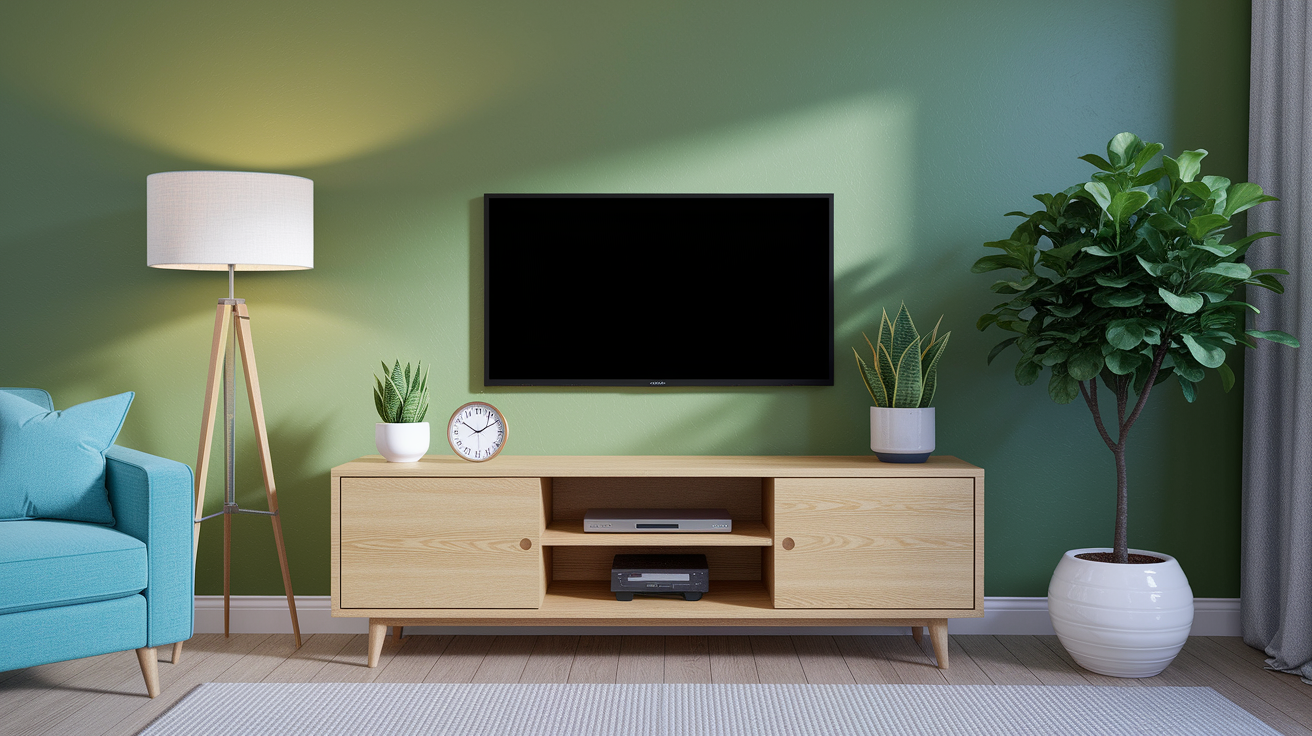
Think your living room is pet-safe? Think again—everyday items can hurt pets and wreck your stuff.
You can fix most hazards in 15 to 30 minutes.
Start today: tuck away cords, remove toxic plants, pick up small objects, and anchor heavy furniture.
Do this first, then set up a pet zone with a bed, water, and a few toys.
This post gives a simple checklist, quick steps you can do now, and clear signs that mean you should call your vet or a trainer.
Quick-Start Checklist: Pet-Proof Your Living Room Today
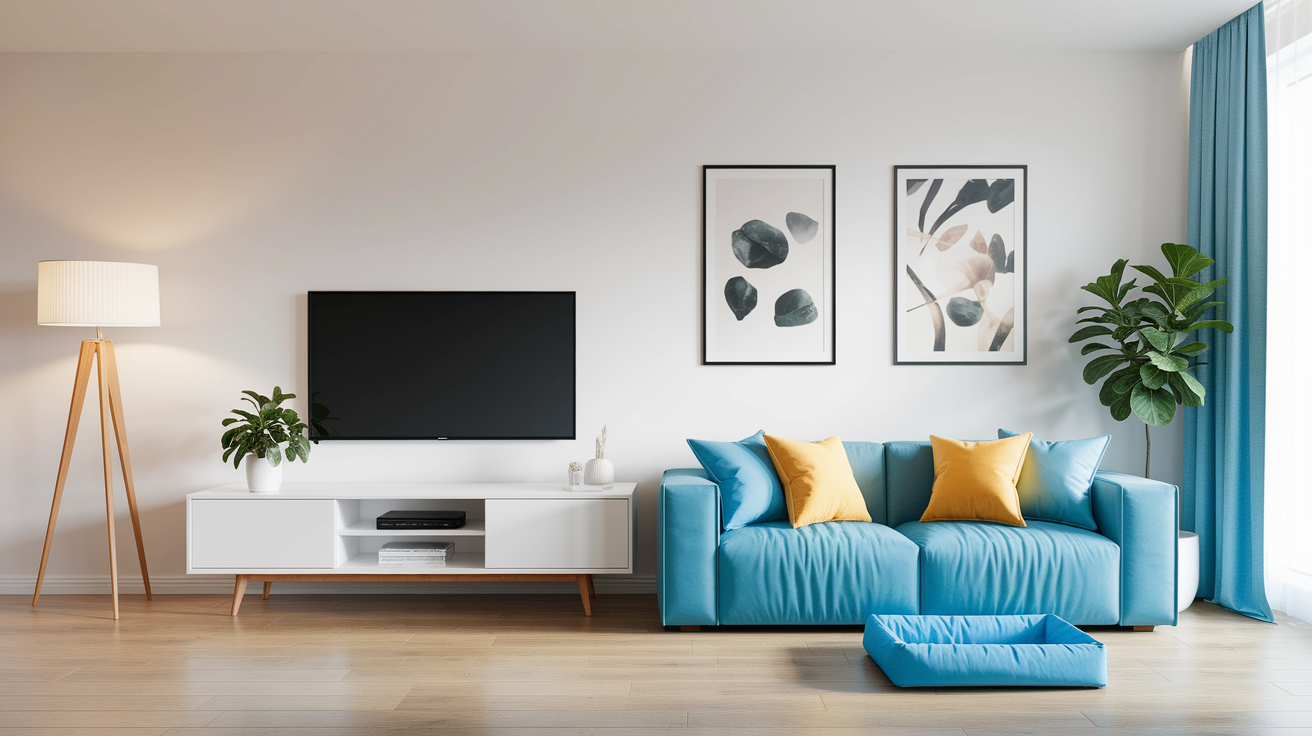
Pet-proofing your living room doesn’t need to be complicated. Grab 15 to 30 minutes, walk the room like you’re seeing it for the first time, and look for anything that could hurt your pet or get destroyed. That quick sweep catches most of the obvious stuff before it ever becomes a problem.
Here’s the order that works best:
- Unplug or cover any exposed cords running along the floor or behind furniture.
- Remove toxic plants and household chemicals from any spot your pet can reach.
- Collect small objects off floors and low tables (hair ties, coins, remote batteries).
- Anchor the TV and any tall or heavy furniture to the wall.
- Add protective covers to couches, chairs, or anything prone to scratches and spills.
- Check your flooring for traction and how easy it is to clean.
- Set up a designated pet zone with a bed, water bowl, and a few toys.
A couple of quick notes before you start:
Dogs: pay extra attention to cords and chewing. Dogs, especially puppies, treat loose cables like chew toys, and a bump from a bigger dog can send unanchored furniture tipping.
Cats: watch for climbing and knocking things down. Cats go vertical, so shelves, plant stands, and anything perched up high is fair game.
Once you’ve done the walk through, run through this checklist one more time:
- Cords tucked away or covered
- Plants and chemicals out of reach
- Small objects stored, not scattered
- Furniture and TV anchored
- Upholstery protected
- Pet zone set up and ready
Everything in this guide builds on three things: keeping your pet safe, keeping your stuff safe, and giving your pet enough to do that they’re not tempted to make trouble in the first place. The rest of this guide walks through each one, room by room and category by category.
Securing Cords, Cables & Electronics
(((alt-img2)))
Cords are basically irresistible to a lot of pets. They dangle, they move when tugged, and for teething puppies especially, they just feel satisfying to chew. Electronics get knocked over for a different reason, usually a cat leaping onto a shelf or a dog’s tail sweeping across a side table.
Here’s what actually works:
- Cord covers or raceways that hide cables along baseboards and out of reach
- A media console with built in cord storage so wires stay tucked behind closed doors
- Cable organizers or clips that bundle loose cords together and off the floor
- Safety straps or anchoring brackets for TVs so a jump or bump doesn’t pull it down
- Power strips tucked behind furniture or inside a vented storage box
- Blocking off the room with a gate when you can’t supervise and cords are still exposed
((alt-img1))
If you want a quick win today, pick up a PVC cord raceway from a hardware store. They stick to the wall with adhesive backing, hold multiple cords at once, and can be painted to match your wall color. Adhesive cable clips work too for shorter runs, like behind a couch or media stand.
Anchoring Furniture and Televisions
(((alt-img3)))
Some living room pieces are just more likely to tip. Bookshelves, TV stands, media consoles, and floor lamps top the list, especially in homes with a dog that likes to lean or a cat that treats every surface as a launchpad. A piece that seems stable when it’s just sitting there can shift fast once a pet collides with it or climbs up.
The fix is the same approach used in childproofing:
- Wall mounted anti-tip straps attached to a stud behind the furniture
- L-brackets that physically screw the furniture into the wall
- Furniture anchor kits, often sold as a complete set with straps and hardware
- TV mounting brackets that secure the screen directly to the wall instead of balancing on a stand
- Weighted bases for floor lamps or tall plants to lower their center of gravity
((alt-img2))
This step matters more than people expect. Got a large dog that likes to rest its weight against furniture? Or a cat that treats your bookshelf like a cat tree? An unanchored piece is a tipping hazard waiting to happen. It’s a 20 minute job with a drill, and it’s one of those things you’ll be glad you did before, not after.
Protecting Upholstery with Pet-Friendly Fabrics and Washable Covers
(((alt-img4)))
The fabric on your couch makes a bigger difference than most people realize. Loose weave materials snag claws almost instantly, while tightly woven fabrics, microfiber, and leather hold up far longer against scratching, shedding, and the occasional accident.
A few practical options to consider:
- Machine washable slipcovers that can be tossed in the laundry after shedding season or a muddy paw afternoon
- Furniture protectors with tucked or fitted edges, which stay put better than a loose throw blanket
- Microfiber or leather upholstery, both of which resist claws and wipe clean easily
- Waterproof furniture throws for pets prone to accidents or drooling
- Scratch resistant fabric treatments applied to existing upholstery
If you’re renting, sharing a space, or just not ready to commit to new furniture, washable covers are the easiest place to start. They’re inexpensive, they go on in minutes, and they buy you time to figure out what longer term setup actually fits your household.
Choosing Durable, Pet-Resistant Materials
(((alt-img5)))
If you’re shopping for new living room furniture, the frame matters just as much as the fabric. Solid wood and metal frames stand up to chewing, clawing, and general wear far better than particleboard or wicker, which tend to splinter or fray under pressure.
For the fabric itself, look for performance materials treated with stain resistant finishes like Crypton or similar fabric technology. These are built to handle spills, fur, and the occasional muddy paw without soaking in and staining permanently.
When you’re comparing pieces, keep a few questions in mind:
- Is the frame solid wood or metal, or something softer like particleboard?
- Is the fabric treated for stains, or will spills need immediate attention?
- Are there exposed corners, legs, or trim that a chewer could target?
Final Words
Start by doing a 15–30 minute room sweep: tuck or unplug cords, move toxic plants and chemicals, collect small items, and check for wobbly furniture.
Next, anchor TVs and shelves, add washable covers or pet-friendly fabrics, improve flooring traction, and set a small pet zone with bed and toys. Dogs need cord-chewing fixes; cats need climbing-safe spots.
Use these quick, practical moves to begin how to pet-proof your living room. Small, consistent steps make your space safer and more relaxed for everyone.
FAQ
Q: How to keep dogs out of your room?
A: Keeping dogs out of your room starts with a clear boundary: keep the door closed, use a pet gate or teach a “stay/bed” cue with treats, and give them a comfy bed and toys elsewhere.
Q: Will aluminum foil keep dogs off furniture?
A: Aluminum foil may keep dogs off furniture briefly because they dislike the sound and texture, but it’s unreliable long-term; use training, washable covers, double-sided tape, or a comfy pet bed instead.
Q: What are some ways to keep cats safe at home? / How to pet proof a house?
A: Pet-proofing a house starts with a quick room sweep: tuck or cover cords, remove toxic plants/chemicals, pick up small objects, anchor furniture/TVs, protect upholstery, add traction, and set a pet zone; for cats, secure high shelves and plants.
More from Politics
 Training
Teach a Dog to Walk on a Loose Leash Indoors
 Health
Cat Not Eating Checklist: Quick Troubleshooting Steps
 Pet Products
Self-Cleaning Litter Box vs Manual: Which Wins?
 Pet Lifestyle