Featured
How to Socialize a Puppy with Other Dogs Safely
Learn how to socialize a puppy with other dogs the safe way: start with one calm adult dog, a parallel walk, and simple steps that build confidence.
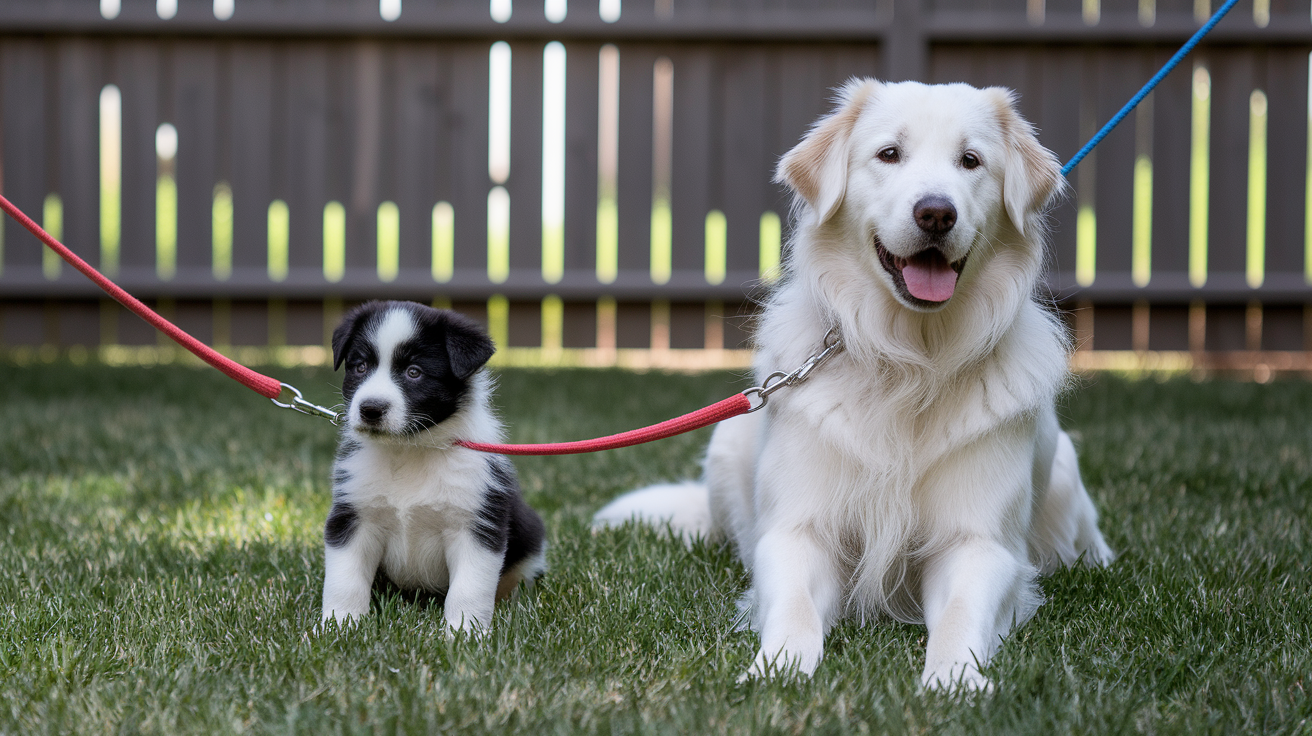
Think a crowded dog park is the best place to socialize your new puppy?
Actually, the very first dog they meet and the setup you use matter far more than how many dogs are around.
Start today by choosing one calm, fully vaccinated adult and trying a parallel walk—loose leashes, lots of space, no face‑to‑face pressure.
This post gives a step‑by‑step plan: pick safe playmates, prep the area, read body language, and know when to stop or call a pro.
Follow it and your puppy will learn friendly dog skills without risky shortcuts.
Puppy Playmate Selection and Pre-Introduction Prep

The first dog your puppy meets matters more than most people realize. A calm, confident adult dog with a known track record around puppies beats a dozen “friendly” dogs you don’t actually know. Look for an adult who’s fully vaccinated, settled in temperament, and not easily riled up by a puppy’s clumsy energy. Size matters too. A 10-pound puppy and a 90-pound dog can still meet safely, but you’ll want more space, slower pacing, and a handler on each leash. Avoid dogs who guard toys or food, dogs with a history of snapping or growling at puppies, and dogs who seem fearful or jumpy themselves. A nervous adult dog can teach your puppy that other dogs are something to worry about. That’s the opposite of what you’re going for.
Once you’ve picked a good candidate, parallel walking is the technique that sets the tone for everything that follows. Start with both dogs on loose leashes, walking in the same direction, but keep a wide gap between them, think 20 feet or more to start. Let them walk like this for a minute or two, just moving forward, no face to face pressure. If both dogs stay loose and relaxed, shorten the gap a little on your next pass, maybe down to 15 feet, then 10. Do this gradually, over several passes, rather than closing the distance all at once. Watch for soft, wiggly bodies and relaxed tails before you let them get close enough to sniff. If either dog stiffens up or starts staring hard, open the distance back up and try again later. This slow, side by side approach takes the pressure off a head on greeting, which is often where tension starts. We’ll keep coming back to this parallel walk method, since it’s the foundation for almost every new dog introduction your puppy will have.
Vaccination Decisions and Veterinary Guidance
(((alt-img2)))
Every vet has a slightly different vaccination schedule, and that can make “wait until fully vaccinated” advice confusing. Instead of guessing, bring a short list of questions to your puppy’s next appointment.
- How many more vaccine doses does my puppy need, and when are they scheduled?
- When will my puppy reach full immunity after the last booster (often 1 to 2 weeks later)?
- What’s the current disease risk level in our specific area?
- Is my puppy healthy enough right now for some calculated risk socialization?
- Which settings would you consider lower risk in the meantime?
That last question matters because “fully vaccinated” isn’t one fixed moment. Core vaccines are usually given in a series between 6 and 16 weeks of age, and immunity builds gradually with each dose. Two puppies who are both technically “vaccinated” might be carrying very different levels of protection depending on how many doses they’ve had and how recently. This is part of why puppy classes often start before the final shot. Most trainers and vets agree the behavioral benefit of early, supervised group exposure outweighs a small, managed disease risk in a clean, indoor setting.
Regional risk is the other piece of the puzzle. If your area has had recent parvo or distemper cases, your vet may want you to be more cautious with public spaces, even with a puppy who’s partway through the vaccine series. In the meantime, there are still ways to build social skills safely. A private, one on one meeting with a healthy, fully vaccinated adult dog you already know carries far less risk than a crowded dog park or an open air puppy meetup. Carrier based outings, where your puppy watches the world from the safety of a sling or carrier, are another good bridge until your vet gives the full green light.
Building a Safe Space for Puppy Meetups
(((alt-img3)))
Most early conflicts between dogs don’t happen because of bad temperament. They happen because the setup was rushed. A little prep work on the space itself prevents a lot of the tension before it ever starts.
Here’s what to check before any puppy meetup.
- Use a fenced, neutral area with clear boundaries, not one dog’s backyard where territorial instincts might kick in
- Keep leashes loose, with enough slack that neither dog feels pressure traveling down the line
- Start with several feet of space between the dogs rather than walking them straight at each other
- Clear the area of toys, food bowls, and chews so there’s nothing to guard
- Know at least two ways to separate the dogs quickly if things get tense, like a gate, a wide gap, or a second handler ready to step in
- Keep the first few sessions short, around 5 to 10 minutes, even if it’s going well
- Assign one handler per dog, so each animal has someone dedicated to holding their leash and watching their body language
A loose leash does more work than people expect. If you tense up and shorten the leash the moment the dogs get close, that tension travels straight down to your puppy and can make them think something’s wrong. Handlers should stay calm, stand back a bit instead of hovering right over the dogs, and be ready to calmly redirect with a gentle step back rather than a sharp yank. Think of yourself as a quiet presence in the background, not the center of the interaction.
Reading Canine Body Language During Introductions
(((alt-img4)))
Dogs tell you almost everything through body language, long before a growl or a snap happens. Learning to read these signals in real time is the single most useful skill for safe introductions. It works like a traffic light: green for go, yellow for pause, red for stop.
Green signals mean things are going well. Look for a loose, wiggly body, soft relaxed eyes, a play bow (front end down, rear end up), and a tail wagging at mid height. Dogs taking turns during play, one chasing then the other, is also a great sign. If you’re seeing mostly green signals, you can let the interaction continue as planned.
Yellow signals mean it’s time to pause, not panic. Lip licking, yawning, turning the head away, sniffing the ground out of nowhere, or suddenly slowing down are all ways a dog says “I need a second.” This is normal and doesn’t mean the meeting is over. Give both dogs a short break, let them reset, and watch what happens next before deciding whether to continue.
Red signals mean stop right away. A stiff, frozen body, raised hackles, a tail tucked tight or held high and rigid, growling, snapping, or a hard stare that doesn’t break are all signs the inter
Final Words
Grab the leash and a calm, vaccinated adult dog—this guide showed how to pick the right first playmate and use parallel walking to keep initial meetings low-stress.
You also got practical vet questions about vaccine timing, a simple checklist for a safe meetup space, and clear body-language signs to watch so you can step in early.
Keep sessions short and consistent. Practice how to socialize a puppy with other dogs in small, managed steps, and you’ll build confident, friendly encounters over time.
FAQ
Q: What is the 3-3-3 rule for introducing dogs?
A: The 3-3-3 rule for introducing dogs is: allow a short supervised greeting (about 3 minutes), give supervised shared time over the next 3 hours, and watch adjustment over the next 3 days.
Q: How to teach a dog to greet other dogs calmly?
A: Teaching a dog to greet other dogs calmly involves parallel walks, keeping distance, rewarding loose body language, allowing brief supervised sniffing, ending on a positive note, and practicing short, regular sessions.
Q: How to train a puppy with another dog?
A: Training a puppy with another dog means using a calm, vaccinated adult as a role model, running short supervised sessions, parallel walking, rewarding gentle play, stopping rough behavior, and keeping steps simple and consistent.
Q: How soon can my puppy meet other dogs after the first vaccination?
A: A puppy can meet healthy, fully vaccinated adult dogs in low-risk, controlled settings after the first vaccine, but full immunity usually comes 1–2 weeks after the final booster—check with your veterinarian.
More from Politics
 Training
Teach a Dog to Walk on a Loose Leash Indoors
 Health
Cat Not Eating Checklist: Quick Troubleshooting Steps
 Pet Products
Self-Cleaning Litter Box vs Manual: Which Wins?
 Pet Lifestyle