Pet Care
Dog Morning Routine for Busy Owners: Quick Wins
A dog morning routine for busy owners: potty, play, breakfast, and a quick training moment in just 10 to 20 minutes. See the simple steps.
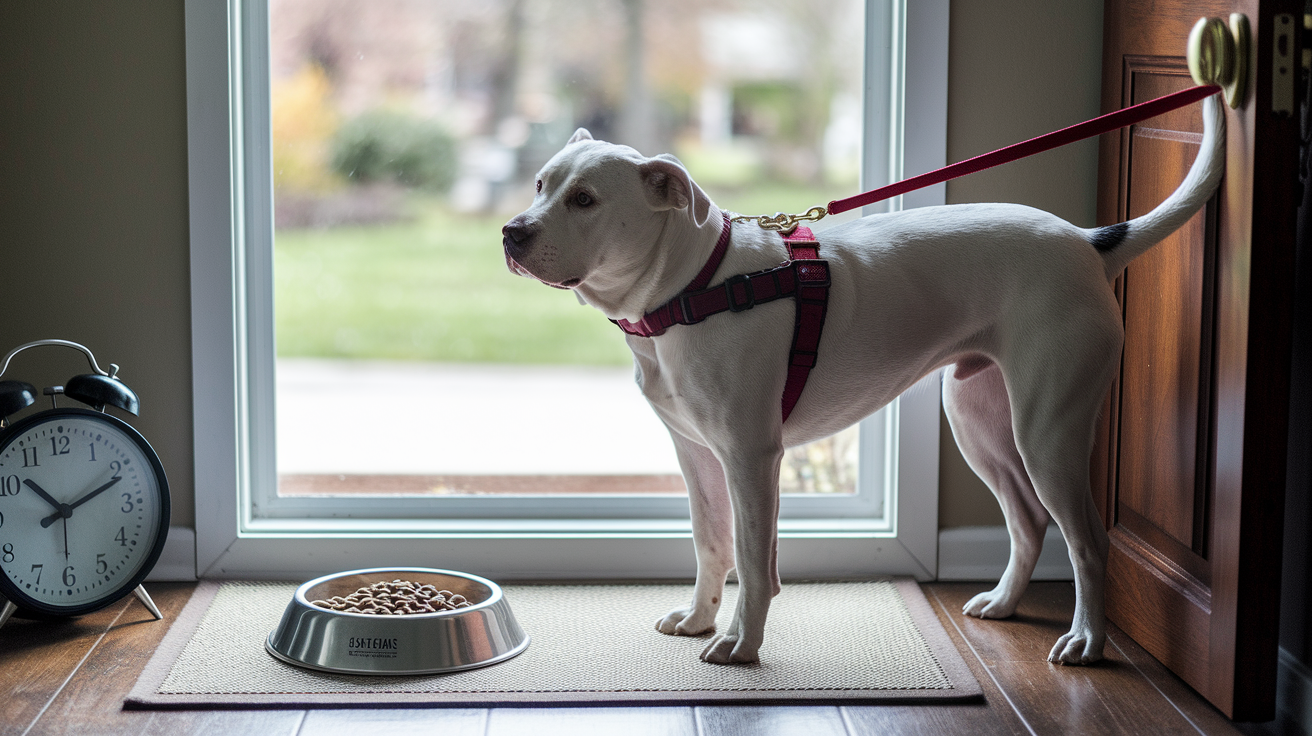
What if I told you your dog’s perfect morning doesn’t need an hour or a gym membership?
Do this today: grab the leash, 5 minutes outside for a potty, 5 to 10 minutes of brisk play or a short walk, pour breakfast into the bowl or use a puzzle feeder, then 3 minutes of quick training or a chew to settle them.
You can cover your dog’s core needs in 10 to 20 minutes, and doing the same simple routine every day helps them adjust faster than random, longer outings.
This post shows the exact steps.
Quick Morning Routine For Busy Owners In Under 20 Minutes
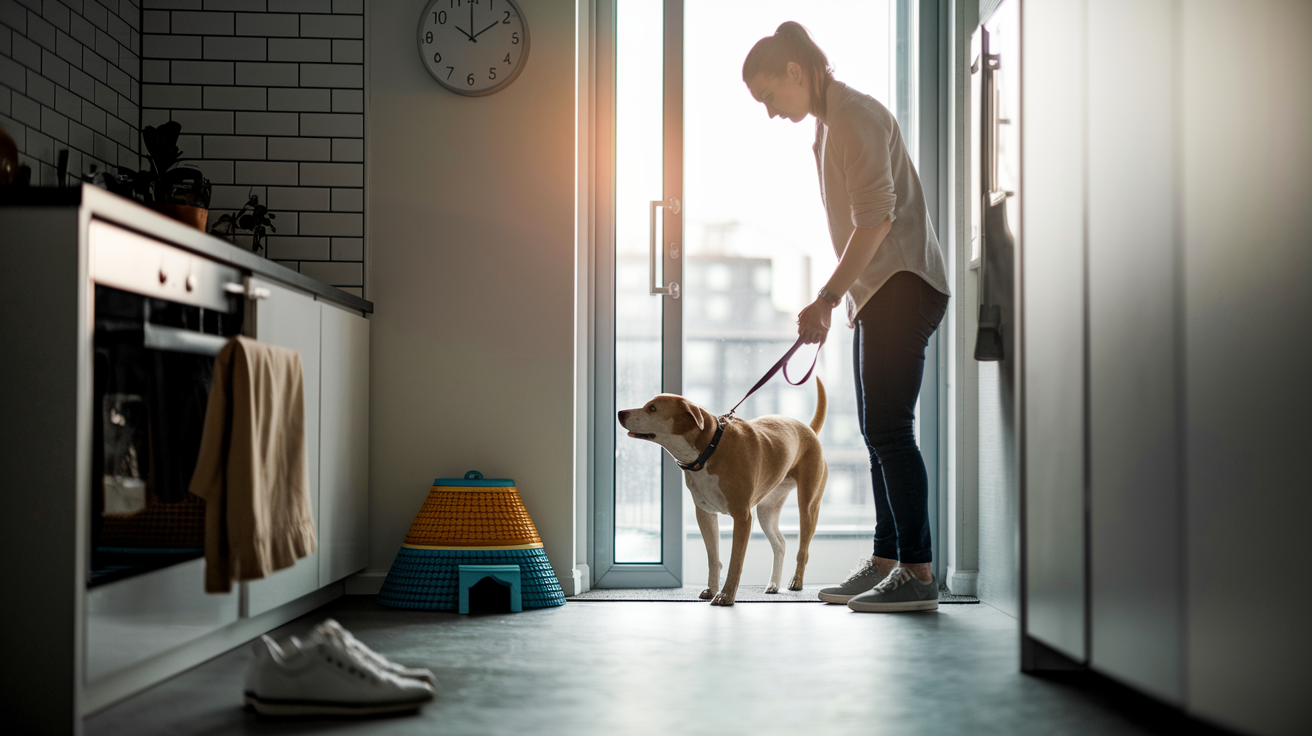
Here’s the good news. Your dog’s core morning needs really come down to four things: a bathroom break, some movement, breakfast, and a bit of mental engagement. You can hit all four in 10 to 20 minutes once you’ve got a routine down and stick to it. No need to overthink it.
A 20-minute dog morning routine for busy owners looks something like this:
- 0 to 2 minutes: wake up, and before anything else, grab the leash or harness by the door. This signals to your dog that something’s about to happen, and it keeps you from fumbling around half-asleep.
- 2 to 7 minutes: head straight outside for a potty break. Five minutes is usually enough for most dogs to do their business, especially once this becomes part of their normal morning routine.
- 7 to 12 minutes: movement time. A brisk 5-minute walk works, or if you’re short on outdoor time, 5 to 10 minutes of indoor high-energy play (tug, or a quick game of fetch down the hallway) gets the job done too.
- 12 to 15 minutes: feed breakfast. Kibble straight into the bowl is fastest, but a puzzle feeder adds a bit of mental work without costing you extra time.
- 15 to 20 minutes: spend 3 to 5 minutes on basic training or quick enrichment, a sit stay, a trick or two, then set up the crate or leave a toy out for your dog’s alone time before you head out.
If 20 minutes still feels like a stretch some mornings, there’s a 10-minute version that covers the basics too. Leash on in the first 2 minutes, potty break from 2 to 5 minutes, then 5 to 10 minutes of intense indoor play. After that, settle your dog with a puzzle feeder or a stuffed Kong before you leave. It trades the longer walk for confinement plus something to chew on, which keeps most dogs occupied for the next 20 to 60 minutes while you’re out the door.
Here’s the thing worth remembering: consistency beats duration almost every time. A dog who gets the same quick routine every weekday adjusts faster and stresses less than one whose mornings are a toss-up. Fifteen focused minutes, done the same way each day, will serve your dog better than a messy 30.
Comparing Morning Routines By Time Available
Not every morning gives you the same amount of time, and that’s fine. The right routine depends on how much time you’ve actually got and how much energy your dog is carrying around that day. Think of the 30 to 45 minute version less as a brand new routine and more as the 20-minute version stretched out, with a couple of extra steps layered in.
| Time Block | 10-Minute Routine | 20-Minute Routine | 30-45 Minute Routine |
|---|---|---|---|
| Potty | 2-5 min outside | 2-7 min outside | 0-5 min, right on waking |
| Exercise | Skipped (replaced by play) | 5-10 min walk or play | 15-20 min walk or run |
| Feeding | After you leave | 12-15 min, kibble or puzzle feeder | 30-35 min, after walk |
| Enrichment/Grooming | Puzzle feeder or stuffed Kong | 3-5 min training | 5-10 min grooming and checks |
| Departure Prep | Crate/toy setup | Crate/toy setup | Quick training session before leaving |
The longer schedule isn’t just more of the same thing stretched thin. It adds real extras: a full 15 to 20 minute walk or run instead of a quick lap, a 5-minute cool-down with water afterward, and a grooming or body-check step you just don’t have time for in a shorter window.
One thing worth flagging, especially if you’ve got a deep-chested breed (think Great Danes, German Shepherds, or Boxers): feeding before versus after exercise matters for bloat risk. If you can, feed after the walk rather than before, and leave a 20 to 30 minute gap between a big meal and anything vigorous.
Efficient Feeding Strategies For Working Dog Owners
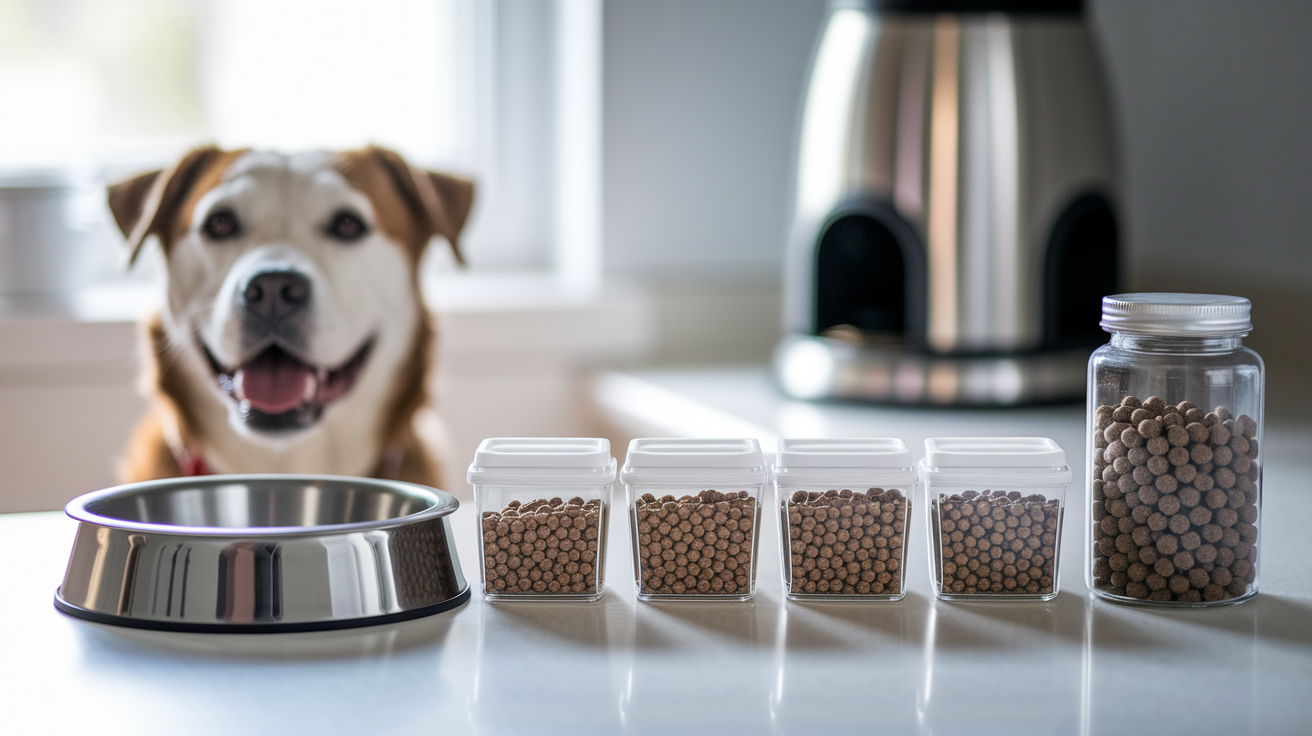
Mornings run smoother when breakfast isn’t a decision you’re making half awake. Pre-measuring your dog’s food the night before takes feeding off your mental to-do list entirely. You just grab, pour, and go.
That said, don’t lean on generic “cup measurements” you see floating around online. Portion needs vary based on your dog’s specific food (calorie density differs a lot between brands), plus their weight, age, and how active they are day to day. Check the feeding guide on your dog’s food label, and when in doubt, ask your vet what’s right for your individual dog.
A few small habits that save real time:
- Pre-portion a week’s worth of kibble into daily containers the night before. A set runs about $10 to $25, and it means zero morning guesswork.
- Set bowls out and ready the night before so they’re not buried in a cabinet at 6am.
- Consider a timed automatic feeder ($70 to $200) if your schedule sometimes runs long and you need backup for a midday meal.
- Use a slow feeder bowl ($10 to $30) if your dog tends to inhale food, since gulping can contribute to digestive upset or bloat.
- Keep unsafe human foods off the counter and out of reach. Chocolate, grapes and raisins, xylitol (common in sugar-free products), and fatty leftovers have no place anywhere near your dog’s bowl.
Final Words
In the action, you can meet your dog’s bathroom, movement, food, and mental needs in 10-20 minutes with a simple plan.
This post gave a step-by-step 20-minute schedule (potty, 5-min walk/play, feed, quick training), a 10-minute ultra-condensed option with a puzzle feeder, and a 30-45 minute expanded routine. It also covered feeding shortcuts like pre-measuring, slow bowls, and automatic feeders, plus quick exercise ideas.
Pick the version that fits your mornings and repeat it. A steady dog morning routine for busy owners makes weekdays calmer and happier.
FAQ
Q: What is a good schedule for a working puppy?
A: A good schedule for a working puppy balances bathroom breaks every 2–3 hours, short play and exercise, 5–10 minute training sessions several times daily, regular naps, and a calm exit-and-return routine around your workday.
Q: What month is hardest with a puppy?
A: The hardest month with a puppy is often months two to four, when house training, teething, and socialization or fear-period changes peak, so expect more accidents, nipping, and extra supervision then.
Q: Are dogs happier with a routine?
A: Dogs are happier with a routine because regular feeding, potty, exercise, and sleep times reduce stress, speed learning, and make behavior more predictable for both you and your dog.
Q: How to keep a working dog busy?
A: You keep a working dog busy with a mix of physical work, mental tasks, and enrichment—short training drills, scent games, puzzle toys, structured play, and job-like chores; consult a qualified trainer if issues arise.
More from Politics
 Training
Teach a Dog to Walk on a Loose Leash Indoors
 Health
Cat Not Eating Checklist: Quick Troubleshooting Steps
 Pet Products
Self-Cleaning Litter Box vs Manual: Which Wins?
 Pet Lifestyle