Health
Cat Not Eating Checklist: Quick Troubleshooting Steps
Cat not eating checklist: spot red flags fast, know the 12/24-hour rule, and find out if it's an emergency or safe to watch at home.
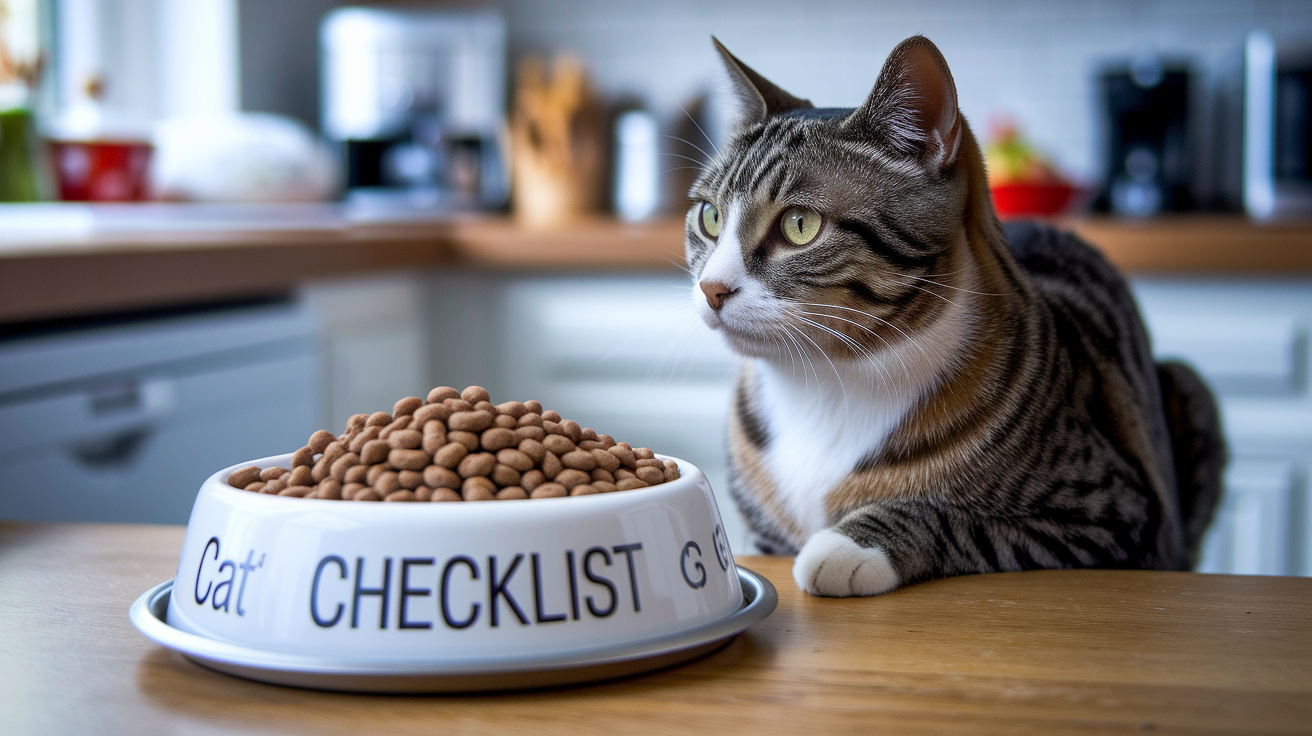
Think “wait 48 hours” is fine when your cat won’t eat? Don’t.
This quick checklist helps you decide right now: emergency, call the vet, or safe home measures.
Work top to bottom, tick boxes as you go, and jot symptoms to tell the vet if you need to.
It covers immediate red flags (hard breathing, collapse, blood), age thresholds (12 hours for kittens, 24 for adults), and higher-risk conditions.
Grab a pen, stay calm, and use the simple steps below so you know exactly what to do next.
What to Do Right Now When Your Cat Refuses Food

Work through this checklist top to bottom. Print it, save it, or just run through it in your head while you’re standing at the food bowl trying to figure out what’s going on. The goal here is simple: figure out fast whether this is a wait-and-watch moment, a call-the-vet moment, or a get-there-now moment.
Grab a pen if you can. Checking things off as you go keeps you calm and gives you something solid to tell the vet if you end up needing to call.
- □ Emergency signs: Check for breathing difficulty, collapse, pale or blue gums, severe pain, repeated vomiting, blood, or inability to stand. Any one of these means immediate veterinary care.
- □ Kitten threshold: If the cat is under 12 weeks old and hasn’t eaten for 12 hours, seek veterinary advice.
- □ Adult threshold: Contact a veterinarian if an adult cat hasn’t eaten for 24 hours.
- □ Missed meals: Contact a veterinarian after more than 2 consecutive missed meals, even if 24 hours haven’t passed.
- □ Higher risk status: Note whether the cat is senior, pregnant, diabetic, taking medication, or has kidney, liver, dental, or other chronic disease.
- □ Hydration and behavior: Check for tacky gums, unusual weakness, hiding, lethargy, confusion, or a clear change from normal behavior.
- □ Associated symptoms: Record vomiting, diarrhea, drooling, bad breath, abdominal discomfort, straining, or signs of oral pain.
- □ Next action: If no threshold or red flag applies, move on to the limited home measures below and keep watching closely.
Here’s that same logic as a quick flowchart, in case that’s easier to follow in the moment:
Red flag present? → Emergency care
Kitten at 12 hours, adult at 24 hours, or more than 2 meals missed? → Contact veterinarian
High risk cat or concerning symptom? → Ask for prompt veterinary guidance
None apply? → Try limited home measures while monitoring closely
If you’re turning this into a printable sheet, leave space at the bottom for the last confirmed meal, how many meals have been missed, any symptoms you’ve noticed, current medications, and your vet’s phone number. Having that written down saves precious minutes if things take a turn. One thing worth repeating: nowhere in this checklist should 48 or 72 hours be treated as a safe waiting period. The numbers that actually matter are 12 hours for kittens, 24 hours for adults, or 2 missed meals.
Safe Ways to Encourage Eating at Home

Before trying anything below, make sure your cat actually qualifies for home measures. These tips only fit an otherwise alert adult cat within the first 24 hours of not eating, before more than 2 consecutive meals have been missed, and when none of the red flags or high risk factors from the checklist apply. If any of those apply to your cat, skip this section and call your vet instead. Home tweaks are a bridge, not a substitute for real veterinary care.
- □ Warm wet food slightly to bring out its smell, checking that it’s not hot.
- □ Offer a fresh portion in a clean, shallow dish.
- □ Move the food to a quiet spot away from litter trays, noise, and other pets.
- □ Try one familiar alternative texture, like pâté, chunks, or gravy.
- □ Add a small amount of plain low sodium broth with no onion, garlic, or seasoning.
- □ Offer small portions instead of leaving a large serving out.
- □ Note whether the cat sniffs, licks, chews, swallows, or just walks away from each option.
Think of these as gentle nudges, not fixes. Warming food just enough to release its smell can genuinely help, since cats lean on scent before they even think about taste. A clean bowl in a calmer spot clears away a few more barriers between your cat and the food.
What you shouldn’t do: force feed, syringe feed, or give any human medication without your vet’s go-ahead. And resist the urge to cycle through five new foods in one afternoon. That tends to backfire and leaves a cat who’s already off their routine even more confused. If your cat still won’t eat, misses another meal past the thresholds above, or seems to be getting worse instead of better, that’s your cue to stop experimenting at home and call the vet.
Emergency Reference for a Cat Refusing Food

Some cats need faster care than the standard timelines suggest, simply because of who they are or what else is going on with their health. If your cat fits one of the categories below, don’t wait for the usual 12 hour or 24 hour mark. Treat it as a reason to check in with your vet sooner rather than later.
| Risk Based Exception | Why It Raises Concern | Recommended Response |
|---|---|---|
| Very young kittens | Small bodies burn through energy reserves fast, raising the risk of low blood sugar | Seek prompt veterinary guidance rather than waiting to see if appetite returns |
| Senior or frail cats | Less reserve to handle missed nutrition, and more likely to have an underlying condition | Contact your vet early, even with a shorter refusal |
| Diabetes | Not eating can throw off blood sugar balance, especially with insulin on board | Ask your vet before giving any scheduled insulin dose |
| Kidney or liver disease | These organs are especially sensitive to even short periods without food | Call your vet promptly for guidance specific to your cat’s condition |
Final Words
In the action, this post gives a printable triage checklist, a short flowchart, safe home steps to try, emergency signs to watch, common causes, and how to tell picky eating from illness.
Start with the checklist and follow the flowchart: emergency → get emergency care; kitten/adult thresholds or missed meals → call your vet; no red flags → try limited home measures while watching closely.
Keep a filled-in cat not eating checklist with last meal and vet number in a print/download box. You’re doing the right thing by acting fast and checking carefully.
FAQ
Q: How do I tell if my cat isn’t eating enough?
A: To tell if your cat isn’t eating enough, watch for missed meals, steady weight loss, low activity, dehydration, or loss of interest in treats; kittens need vet advice after 12 hours, adults after 24 hours or two missed meals.
Q: What is the 3-3-3 rule for cats?
A: The 3-3-3 rule for cats means 3 days to adjust to a new home, 3 weeks to start exploring and bonding, and about 3 months to fully settle—seek help if progress stalls.
Q: How to tell if a cat is suffering?
A: You tell a cat is suffering when it shows severe signs like collapse, laboured breathing, pale gums, extreme pain, repeated vomiting, inability to eat, or major behaviour change—any of these needs immediate veterinary care.
Q: My cat is nauseous and not eating. Should I be worried?
A: If your cat is nauseous and not eating, be cautious: try safe home measures for an otherwise healthy adult for up to 24 hours; kittens under 12 weeks, repeated vomiting, or any red flag need prompt veterinary attention.
More from Politics
 Training
Teach a Dog to Walk on a Loose Leash Indoors
Health
Cat Not Eating Checklist: Quick Troubleshooting Steps
 Pet Products
Self-Cleaning Litter Box vs Manual: Which Wins?
 Pet Lifestyle