Health
Dog Vomiting Checklist: Essential Signs to Check Now
Dog vomited once? Use this 2-minute dog vomiting checklist to check gums, breathing, and more, then know if it's call-the-vet-now or just watch and wait.

Is one bout of vomiting just an upset stomach—or the first sign of something life-threatening?
Before panicking, run a quick two-minute checklist that tells you exactly what to do next.
This post lays out eight clear checks to assess consciousness, breathing, gums, abdomen, vomit content, and timing.
Match what you find to a simple red/amber/green action card so you either call an emergency vet now, contact your regular vet today, or safely monitor at home.
Read on to learn the exact questions to ask and the signs that mean act fast.
Immediate Steps When Your Dog Vomits
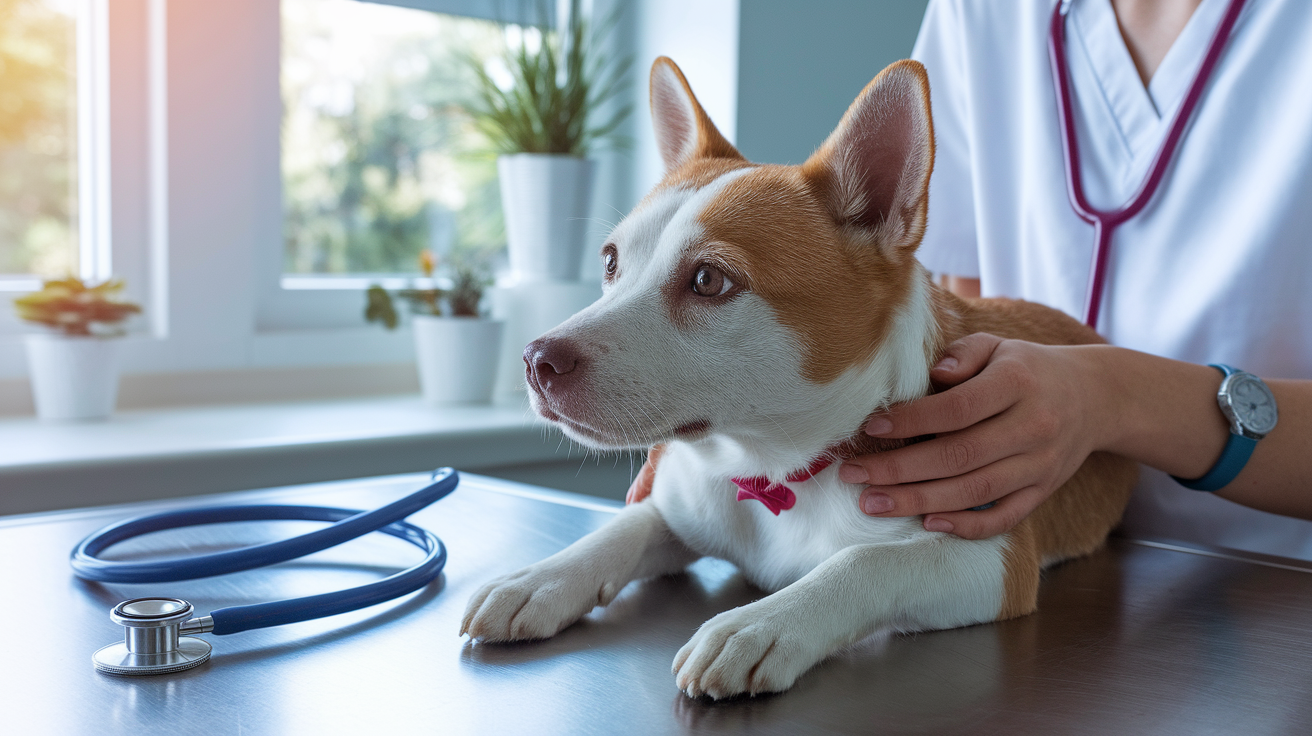
| Triage Level | Signs | Action |
|---|---|---|
| Red | Fresh or coffee ground blood, unproductive retching, a distended or hard abdomen, collapse, seizures, difficulty breathing, pale or tacky gums, extreme lethargy, known toxin exposure, suspected swallowed object, inability to keep water down, or 3+ vomiting episodes within 2 hours | Call an emergency vet now |
| Amber | 3+ episodes across 24 hours, vomiting that continues for 24 hours, mild vomiting with persistent diarrhea, visible worms, or vomiting in a puppy, senior dog, or dog with a chronic condition | Contact your vet today |
| Green | One isolated episode, dog remains bright, alert, comfortable, and able to retain water | Monitor with home care |
Before you do anything else, run through this quick mental checklist. It takes less than two minutes, and it tells you exactly which row of the card applies to your dog right now.
- Check consciousness and mental status. Is your dog bright and aware, or dazed, unresponsive, or struggling to stand?
- Watch the breathing. Is it steady and relaxed, or fast, shallow, or labored?
- Look at the gums. Press gently. They should be pink and return to color quickly, not pale, white, blue, or sticky.
- Feel the abdomen. It should be soft. A hard, swollen, or tightly distended belly is never normal.
- Count the episodes and note the time between them. This single number often decides red versus amber.
- Look for blood in the vomit, whether fresh red or dark like coffee grounds.
- Check the vomit for worms, string, fabric, bone fragments, or anything that shouldn’t be there.
- Notice any sudden change in comfort or behavior, like pacing, hiding, whining, or guarding the belly.
Once you’ve run through these eight checks, match what you see to the action card above and follow that level right away. Don’t wait around for a second episode to confirm what you’re already seeing. Dogs in the red category can decline fast, and acting on the first clear sign gives your vet the best shot at helping.
Safe Home Care And Information To Record
(((alt-img2)))
These steps are only for dogs that landed in the green category on the triage card. That means one isolated vomiting episode, with your dog still bright, alert, comfortable, and able to keep water down. If your dog fits anywhere in amber or red, skip ahead and follow that action instead.
So what does safe home care actually look like for a green category dog?
- Offer water in small, measured amounts rather than letting your dog gulp a full bowl. A few tablespoons every 20 to 30 minutes is a reasonable starting point. If the water comes back up, stop and call your vet.
- Reintroduce food gradually and in small portions, following your vet’s guidance on timing and amount. Rushing back to a full meal can restart the whole cycle.
- Don’t give human medicines, antacids, anti nausea drugs, or leftover prescriptions from a past illness. Even medicines that seem mild can interact badly or hide a bigger problem.
- Keep monitoring. One calm episode doesn’t mean you’re done watching. Check in every few hours for the rest of the day.
One more thing worth saying plainly: don’t fast your dog without veterinary guidance, especially if they’re a puppy, a senior, very small, diabetic, or managing another medical condition. Skipping meals can be riskier than the vomiting itself for these dogs.
While you’re keeping an eye on things, start building a simple record. This is the kind of information that helps a vet move faster if symptoms change.
- When the vomiting began (date and time)
- How often it’s happened since
- Photos of the vomit, if you can safely take them
- Any recent food or diet changes
- Current medications and supplements, including the dose
- Anything your dog could have chewed, licked, or swallowed
- What the stool has looked like and how often
- Any changes in urination
- Shifts in energy, mood, or behavior
If you do end up calling the vet later, having this ready saves time. Most vets ask some version of the same six questions: was there active heaving or retching, is water staying down, what did the vomit actually contain, is there any chance of a toxin or swallowed object, has stool or urination changed, and have you noticed anything different about appetite, energy, pain, or general behavior.
What Does My Dog’s Vomit Look Like And What Does It Mean?
(((alt-img3)))
The color and contents of vomit can give you useful clues, but they can’t tell you the full story on their own. Think of it as one piece of the puzzle, not the whole picture.
| Vomit Appearance Or Content | Possible Meaning |
|---|---|
| Clear liquid or foam | Saliva, water, or stomach fluid |
| Yellow fluid | Bile, often seen when the stomach is empty |
| Undigested food soon after eating | May indicate regurgitation rather than true vomiting |
| White foam | Possible stomach irritation or acid reflux |
| Green material or grass | Could reflect grass eating, bile, or general gastrointestinal irritation |
| Fresh red or pink material | Possible active ble
Final WordsStart with the triage card and act fast: follow the Red/Amber/Green level and call an emergency vet now for red signs or contact your vet for amber ones. Quickly check consciousness, breathing, gum color, belly firmness, how many times they vomited, any blood or foreign material, and behavior changes. If your dog is green, offer small measured sips of water, restart food slowly when advised, and keep a simple record (times, photos, nearby foods). Keep this dog vomiting checklist handy so you can stay calm and act confidently. FAQQ: When should I be concerned about my dog’s vomiting?A: You should be concerned about your dog’s vomiting when it shows red signs: fresh or coffee-ground blood, unproductive retching, hard or distended belly, collapse, trouble breathing, pale/tacky gums, seizures, known toxin/object ingestion, or 3+ episodes in 2 hours. Q: What can I give my dog to help stop vomiting?A: What you can give your dog to help stop vomiting is small, measured sips of water and nothing else unless a vet approves medication; do not give human medicines or leftover prescriptions—call your vet before anti-nausea drugs. Q: What to do when a dog vomits but is acting normal?A: When a dog vomits but is acting normal, treat them as green-category: offer small sips of water, monitor closely, hold food until advised, record timing/photos, and contact your regular vet if vomiting returns or worsens. Q: What does toxic dog vomit look like?A: Toxic dog vomit often looks unusual—contains bright red or coffee-ground blood, a chemical or foul smell, foam, strange colors, visible pills, plants, or foreign solids; suspect toxin exposure and call an emergency vet now. |
More from Politics
 Training
Teach a Dog to Walk on a Loose Leash Indoors
 Health
Cat Not Eating Checklist: Quick Troubleshooting Steps
 Pet Products
Self-Cleaning Litter Box vs Manual: Which Wins?
 Pet Lifestyle