Pet Products
Soft-Sided Pet Carrier vs Hard-Sided: Travel Showdown
Soft-sided pet carrier vs hard-sided pet carrier for travel: which is safer for your trip? Use our quick checklist to pick the right one.
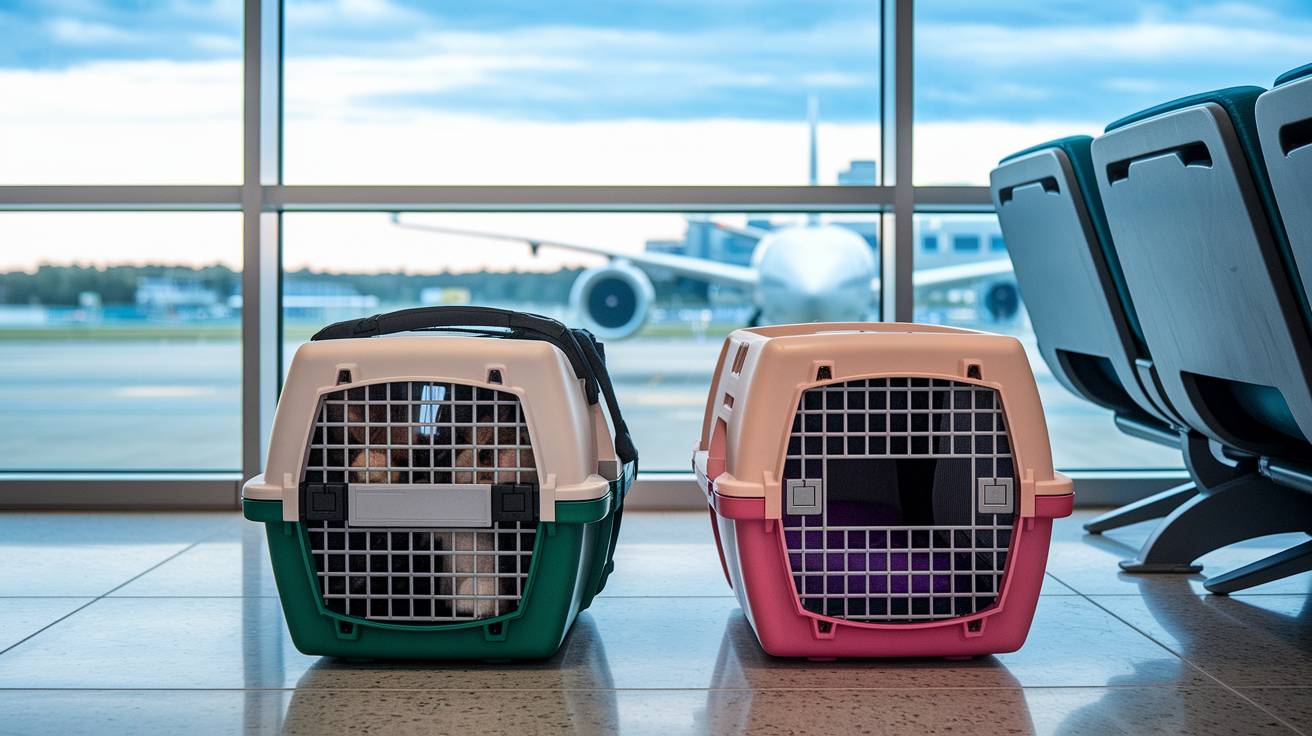
Soft-sided or hard-sided — which truly keeps your pet safer on trips?
There isn’t a single best choice.
The right carrier depends on how you travel, your pet’s stress level, and what matters most: safety, portability, or easy cleanup.
If you’re flying or need something light and squishy that fits under a plane seat, soft usually wins.
If you drive, have a nervous chewer, or need tough cleanup, hard often makes more sense.
Read on for a quick checklist to match the carrier to your trip and pet.
Soft vs Hard Pet Carrier: Quick Verdict for Travelers
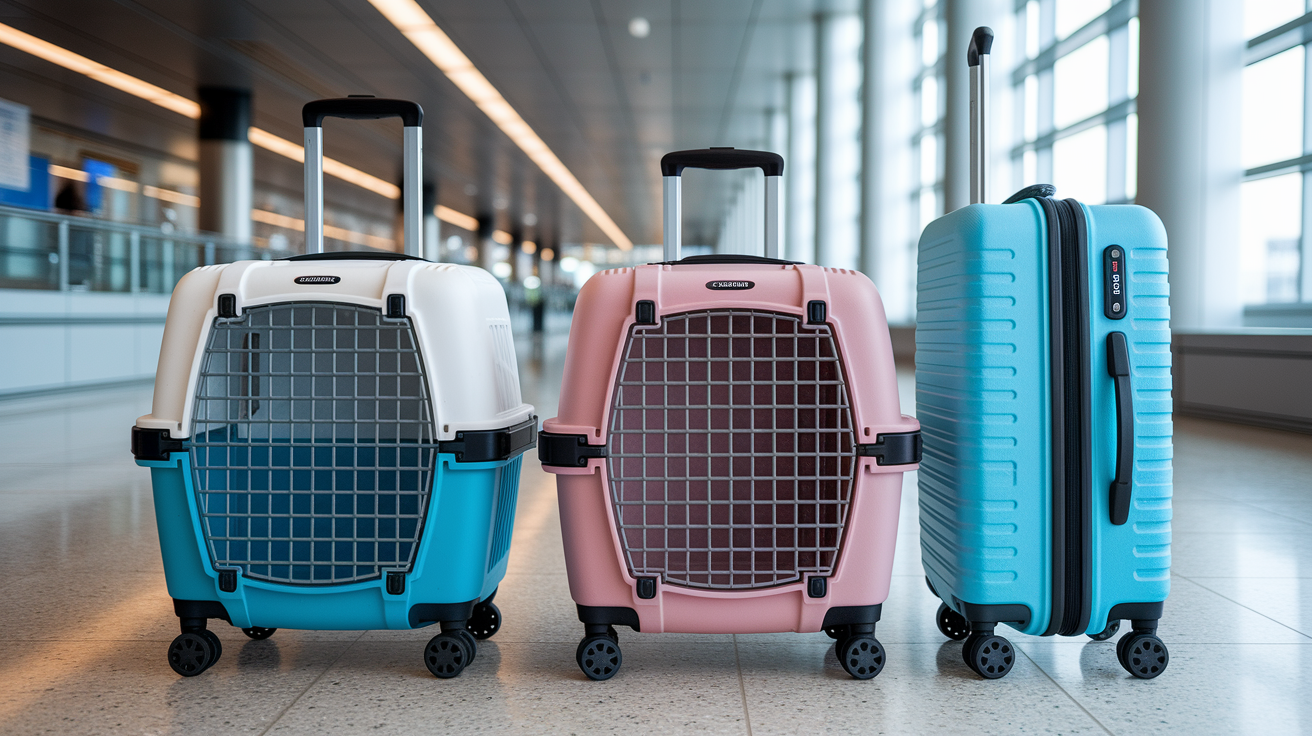
There’s no single winner in the soft vs hard pet carrier comparison. The right pick depends on how you’re traveling, how your pet handles stress, and what matters most to you, whether that’s safety, portability, or easy cleanup.
Soft sided carriers show their strength for flying and everyday carrying. They’re light, they squish down to fit under an airplane seat, and most pets find the padded interior cozy. Hard sided carriers earn their keep on car rides, vet visits, and with pets who test the limits of any enclosure. They’re sturdier, easier to hose down, and tough for a determined paw to break into.
So how do you choose? Start with your travel mode. Flying in cabin often means soft is your only practical option. Driving to the vet or across town favors hard. Then think about your pet’s personality. A calm, carrier trained cat does fine in either one. An escape artist or a nervous chewer needs the extra security a rigid shell provides.
Use this pros and cons checklist as your starting filter before diving into the details below.
| Factor | Soft Sided Carrier | Hard Sided Carrier |
|---|---|---|
| Best for travel mode | Air travel (in cabin), public transport | Car travel, vet visits |
| Durability/protection | Lower impact protection, vulnerable to claws/teeth | Higher impact resistance, structural protection |
| Portability/storage | Lightweight, collapsible, easy to store | Bulkier, heavier, needs more storage space |
| Cleaning | Machine wash, odors can linger in fabric | Wipe clean, dries fast, resists odor |
| Airline compliance | Generally preferred for under seat fit | Usually too bulky for in cabin rules |
| Ideal pet temperament | Calm, carrier trained pets | Anxious, destructive, or escape prone pets |
Scan this table first, then let it guide which sections below are worth your time. Got a nervous chewer heading to the vet? Jump to the security section. Booking a flight next month? The airline compliance details further down will matter most.
Construction and Durability: Soft Sided vs Hard Sided Materials
(((alt-img2)))
Hard sided carriers are typically built from rigid, sometimes double walled, ABS plastic or polypropylene shells with metal or plastic doors. The better models skip flimsy plastic snaps in favor of metal screw bolts holding the two halves together, plus multi point door locks that keep the whole thing from popping open under pressure.
Soft sided carriers rely on fabric: nylon, polyester, canvas, and mesh panels for ventilation. Not all fabric is equal though. Carriers that actually hold up use ripstop or ballistic nylon with industrial stitching and reinforced seams at stress points like the corners and door edges. Cheaper soft carriers skip this reinforcement, and it shows the first time a cat leans hard against a seam.
Every carrier has a weak spot. On soft carriers, it’s usually the zipper giving out, mesh tearing under claws, or seatbelt loops that aren’t rated to hold real weight. On hard carriers, it’s brittle plastic clips, wire door latches that bend, or the snaps holding the top and bottom halves together failing under stress. Here’s the uncomfortable truth: independent crash tests have found that very few carriers, soft or hard, fully pass crash safety criteria. Success comes down to build quality and how securely you strap the carrier into the car, not just which material it’s made from.
When judging durability, look for:
- Metal screw bolts instead of plastic snaps holding the shell together
- Locking zippers that clip or lock in place, not just a simple pull tab
- Double walled plastic construction for impact resistance
- Reinforced stitching at corners, seams, and door edges
- Multi point door locks rather than a single latch or snap
If this feels like a lot to check at the store, it is. But a few extra minutes reading the product specs can save you from a carrier that fails exactly when you need it most.
Ventilation, Visibility, and Comfort Features Compared
(((alt-img3)))
Soft sided carriers generally win on airflow. Large mesh panels let air move freely and give your pet a view of the world, which some animals enjoy and others find overwhelming. The downside is that mesh offers little protection from direct sun, so a soft carrier left in a hot car or on pavement can heat up fast. Hard sided carriers rely on molded ventilation slots instead of mesh. There’s less airflow overall, but the enclosed, den like feel tends to calm animals who find open visibility stressful rather than comforting.
Comfort works a bit in reverse. Soft carriers usually come with built in padding and breathable lining, so they’re comfortable right out of the box. Hard carriers often ship with a thin plastic floor and nothing else, meaning you’ll want to add a towel or pad before your pet ever steps inside. Solid walls do have one underrated comfort benefit though: reduced visual stimulation. For a pet who shuts down or panics when they can see everything happening around them, a quieter, darker space can be genuinely calming.
Here’s the fix either way. Got a soft carrier and a nervous pet? Drape a thin blanket over part of the mesh to cut down on visual input without blocking airflow completely. Got a hard carrier and a pet who needs more stimulation? Position it somewhere they can still see you moving around the room.
Final Words
There’s no universal winner—pick a carrier based on travel mode, your pet’s temperament, and what matters most: protection or portability.
Quick rule: soft-sided for in-cabin flights and lightweight convenience; hard-sided for car rides, vet trips, and pets that try to escape. Always check durability, ventilation, and secure closures before you buy.
Weigh those points and the soft-sided pet carrier vs hard-sided pet carrier for travel decision becomes much easier: choose the style that matches your routine and your pet’s needs, and you’ll both travel calmer and safer.
FAQ
Q: What kind of cat carrier is best for plane travel?
A: The best cat carrier for plane travel is an airline-approved, soft-sided in-cabin carrier with a sturdy base, good ventilation, and secure zippers; make sure it fits under the aircraft seat and locks closed.
Q: What is the least stressful way to transport a cat?
A: The least stressful way to transport a cat is to use a familiar carrier with soft bedding, cover it to reduce sights, keep things quiet and steady, and offer short breaks; consult your vet for severe anxiety.
Q: Are soft-sided cat carriers safe?
A: Soft-sided cat carriers are safe for many trips, especially in-cabin flights and calm cats, but they’re less protective than hard carriers; pick reinforced seams, metal fasteners, locking zippers, and avoid them for escape-prone pets.
Q: What is a TSA approved dog carrier?
A: A TSA approved dog carrier isn’t a single certified product; airlines set their own in-cabin carrier rules. Pick an airline-approved, well-ventilated carrier that fits under the seat and meets the airline’s size limits.
More from Politics
 Training
Teach a Dog to Walk on a Loose Leash Indoors
 Health
Cat Not Eating Checklist: Quick Troubleshooting Steps
 Pet Products
Self-Cleaning Litter Box vs Manual: Which Wins?
 Pet Lifestyle