Featured
Signs Your Puppy Needs Emergency Vet Care Now
Signs your puppy needs emergency vet care, fast: what to check now, first steps that help, and red flags you can't afford to miss.

Could waiting even an hour cost your puppy its life?
If you see trouble, call an emergency vet now and get your puppy ready to go.
This quick guide tells the exact signs that mean immediate care, simple first steps to help right away, and clear red flags that should never be ignored.
You don’t need to be a vet to act, and the steps are practical enough to do on your kitchen table.
When To Go Now: Critical Puppy Warning Signs
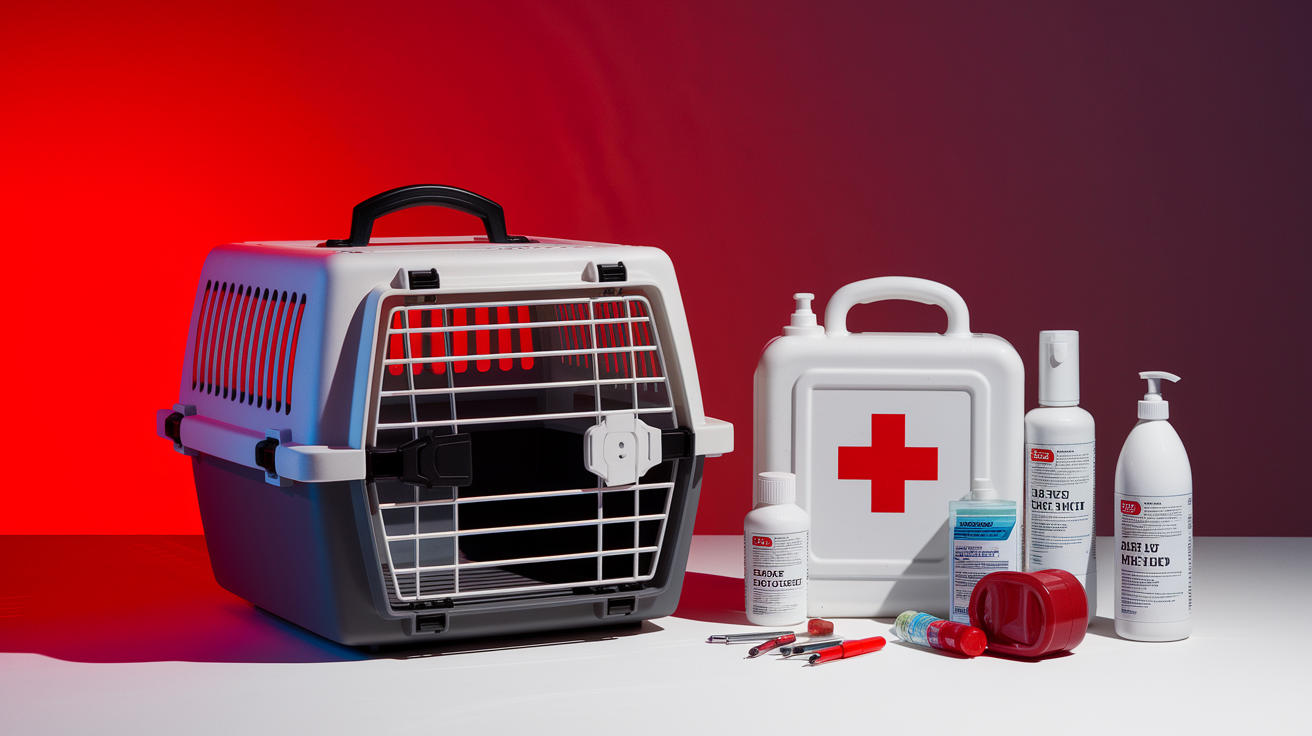
Puppies don’t give you much warning before things turn serious. Their bodies are small, their immune systems are still learning the ropes, and a problem a grown dog might shrug off can knock a puppy down fast. If you spot any of the signs below, this isn’t a wait and see moment. Call the nearest emergency veterinarian right away and start getting your puppy ready to go.
Here’s what should send you straight out the door, no debate needed:
- Difficulty breathing, including gasping, open mouth breathing, or blue grey gums
- Heavy or uncontrolled bleeding that soaks through a cloth or keeps going after 5 to 10 minutes of firm pressure
- A seizure lasting longer than 5 minutes, or several seizures happening close together
- Collapse, unresponsiveness, or trouble waking up normally
- Pale, blue, grey, or brick red gums
- More than 3 vomiting episodes within 6 hours, or bloody diarrhea
- Known or suspected exposure to a toxin, medication, cleaning product, or poisonous food
- A swollen, bloated looking belly paired with repeated attempts to vomit that don’t produce anything
- Severe trauma, a suspected broken bone, or an inability to stand
- Sudden, heavy lethargy or a fast drop in how alert and responsive your puppy seems
These are the signs your puppy needs emergency vet care immediately, not in a few hours. Puppy emergency symptoms like these can escalate in the time it takes to finish a cup of coffee, so trust what you’re seeing.
A lethargic puppy emergency often starts small. Your pup seems “off,” then can’t lift its head, then won’t respond to your voice at all. Puppy breathing problems move just as fast. And a puppy seizure emergency, especially one that won’t stop, needs action measured in minutes, not hours.
Call the nearest emergency veterinarian while you’re preparing your puppy for transport. Don’t wait to see if things improve on their own. And never try to induce vomiting unless a veterinarian or an animal poison control professional tells you to do exactly that, for that specific substance. We’ll cover transport first aid in its own section below.
Deciding Whether To Monitor or Call a Veterinarian

Not every hiccup means a trip to the emergency room. Sometimes your puppy throws up once after eating too fast, or skips breakfast because, well, puppies are weird sometimes. Monitoring at home only makes sense when the symptom is mild, happened once, and your puppy still seems like themselves otherwise.
If anything on the opening warning sign list shows up, though, that overrides any observation window below. A single vomit is one thing. A single vomit plus pale gums is an emergency, full stop.
| Borderline Scenario | Observation Window | Escalation Trigger | Who To Call |
|---|---|---|---|
| One isolated vomiting episode, puppy stays alert and keeps water down | 4 to 6 hours | Vomiting repeats, puppy declines, or another warning sign appears | Regular veterinarian or emergency clinic |
| One loose stool without blood, puppy otherwise active | Up to 6 to 12 hours | Diarrhea repeats, hydration drops, or puppy worsens | Regular veterinarian, emergency clinic after hours |
| One missed meal, puppy behaves normally otherwise | Until next scheduled meal, max 8 to 12 hours for young puppies | Continued refusal or reduced responsiveness | Regular veterinarian |
| Mild weight bearing limp after minor activity, no visible wound | Up to 12 hours with restricted activity | Puppy stops bearing weight, pain increases, or swelling develops | Regular veterinarian |
| Occasional mild cough, normal resting vitals and activity | Up to 12 to 24 hours | Cough becomes frequent or vitals cross thresholds in the measurement box | Regular veterinarian or emergency clinic, depending on severity |
Persistent vomiting, meaning it keeps happening instead of stopping after one round, deserves a call sooner rather than later. Same goes for bloody diarrhea. Blood changes everything, even if it’s just a streak. And severe dehydration, like sunken eyes or skin that doesn’t bounce back when gently pinched, means the observation window is over.
When you’re unsure, call an emergency veterinary clinic and describe what you’re seeing. They can help you decide over the phone. Very young puppies, toy breeds, unvaccinated pups, or ones with existing health issues often need a shorter leash on these timeframes. If in doubt, call sooner.
A Quick Puppy Vital Sign Measurement Box

Taking a few basic measurements can help you and your veterinarian understand what’s happening, but never let checking vitals delay a call or a trip to the emergency clinic. If your puppy is showing a red flag sign, go. You can report numbers once you’re moving or once you’ve got the vet on the phone.
Normal puppy temperature runs about 100.5 to 102.5°F. A reading over 103°F suggests fever. Anything at 105 to 106°F needs emergency attention right away.
Heart rate typically falls between 120 and 160 beats per minute, though this shifts depending on your puppy’s size and age.
Final Words
In the action, any of the warning signs listed need attention within minutes to hours. Call the nearest emergency veterinarian while you get the puppy ready for transport.
This post gave a clear checklist of critical signs, a decision guide for milder problems, a quick vital-sign measurement box, toxin-specific steps, and safe first-aid tips for transport. Use the monitoring windows only when symptoms are mild and improving.
If you spot signs your puppy needs emergency vet care, call now, because prompt action makes a real difference and your quick steps help keep your puppy safer.
FAQ
Q: What are signs I should take my dog to the vet or what counts as a veterinary emergency?
A: Signs you should take your dog to the vet or that count as an emergency include severe breathing difficulty; heavy bleeding after firm pressure; prolonged or repeated seizures; collapse; pale/blue gums; repeated vomiting or bloody stool; known toxin exposure.
Q: How much does a puppy’s first vet visit cost?
A: A puppy’s first vet visit typically costs about $50–200, depending on region and services. Vaccines, deworming, microchipping, and tests raise the price; ask your clinic for an itemized estimate.
Q: How to tell if a dog is ready to pass?
A: You can tell a dog may be ready to pass when it stops eating and drinking, won’t stand, has laboured breathing or constant severe pain, shows no social interest, and steadily declines; call your vet to discuss options.
More from Politics
 Training
Teach a Dog to Walk on a Loose Leash Indoors
 Health
Cat Not Eating Checklist: Quick Troubleshooting Steps
 Pet Products
Self-Cleaning Litter Box vs Manual: Which Wins?
 Pet Lifestyle