Health
Signs of Dehydration in Dogs Checklist: Quick Health Check
Signs of dehydration in dogs checklist: a 1-minute skin and gum check, plus what to watch for and when to call your vet.
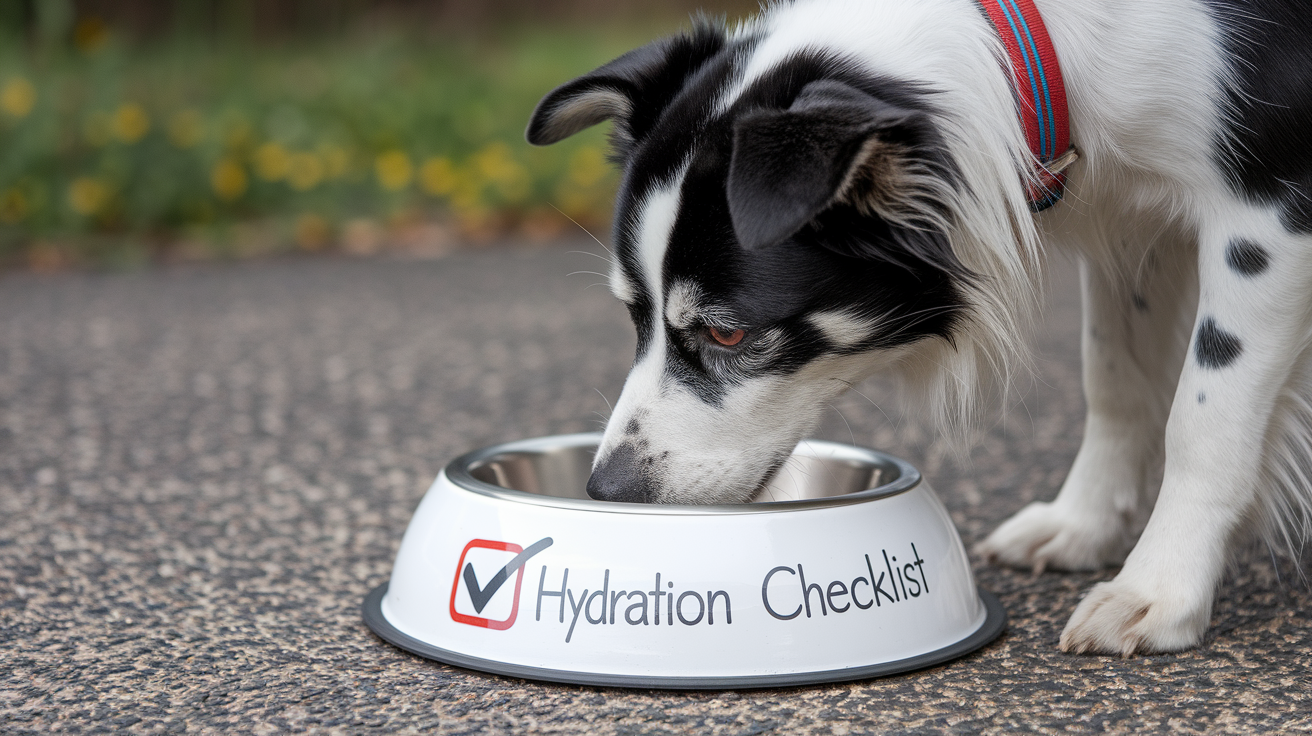
A wet nose doesn’t mean your dog isn’t dehydrated.
You can check for dehydration at home in under a minute with three simple steps that tell you whether to keep watching or call your vet right away.
This post gives a quick skin-tent and gum refill check, a short behavior scan, and a printable master checklist so you can track changes and act fast.
If your dog is collapsed, can’t stand, vomiting, or unresponsive, stop and get emergency care now.
Rapid At-Home Hydration Check For Your Dog

These checks take less than a minute, but they’re screening tools, not diagnostic tests. They’ll help you decide whether to keep watching your dog or call for help right now, but they can’t rule dehydration in or out on their own.
Seek immediate veterinary care if your dog is collapsed, can’t stand, seems unresponsive, has had persistent vomiting or diarrhea, or shows a markedly delayed capillary refill. Don’t bother finishing the rest of the checklist if you’re seeing any of these. Call your vet or an emergency clinic first.
If your dog seems alert and stable, here’s your quick three step check:
-
Skin tent test. Gently pinch a bit of loose skin on your dog’s back or scruff between your thumb and forefinger, then let go. Well hydrated skin snaps back right away. A slow return can point to dehydration, but age, breed, and body condition all affect skin elasticity. A lean senior dog’s skin naturally tents more than a chunky young dog’s, so this test isn’t one size fits all.
-
Gum capillary refill check. Lift your dog’s lip and press firmly on a pink part of the gum with your index finger until it turns white. Release and watch the color come back. Normal is immediate. A delay of about 3 seconds is concerning and worth a call to your vet.
-
Quick visual and behavior scan. Look at gum moisture, eye appearance, energy level, breathing, and how responsive your dog seems to you. Is your dog tracking you with its eyes? Standing normally? Breathing calmly? A dry nose on its own doesn’t tell you much. Nose moisture changes for all kinds of normal reasons, so don’t rely on it by itself.
It helps enormously to know what’s normal for your own dog before there’s ever a problem. Check your dog’s skin tent, gum color, and typical energy level on an ordinary, healthy day, so you have something real to compare against later. If something looks off, if you’re seeing changes in more than one area, or if you’re just not sure, that’s your cue to call a veterinarian rather than moving on to another checklist.
Download: Save our one page Rapid Hydration Check as a printable reference for your fridge, car, or dog bag.
Printable Master Checklist Of Dehydration Symptoms

Once you’ve done the rapid check, this master checklist helps you track the fuller picture. Instead of repeating the skin tent or gum refill steps, this is about noticing and recording changes across your dog’s whole body and behavior. Print it, keep it on the fridge, and jot down when you first spot something unusual.
Mouth (normal baseline: pink, moist gums, thin, watery saliva)
- [ ] Gums are dry, sticky, or unusually pale
- [ ] Saliva is thick or drooling seems unusual
Eyes (normal baseline: bright, comfortably open eyes)
- [ ] Eyes look sunken or dry
Behavior (normal baseline: usual energy, appetite, and interest in surroundings)
- [ ] Lethargic or listless
- [ ] Pacing or seems to be searching for water
- [ ] Eating less than usual
Breathing (normal baseline: calm breathing at rest)
- [ ] Panting that seems excessive or unexplained
Urination (normal baseline: your dog’s typical frequency, amount, color, and comfort)
- [ ] Peeing less than usual
- [ ] Urine looks darker than normal
- [ ] Crying out or seeming uncomfortable while urinating
Skin (normal baseline: your dog’s usual elasticity, which varies by age and build)
- [ ] Noticeably less snap back than what’s normal for this dog
A single checked box, taken by itself, doesn’t mean much. What matters more is the pattern. If you’re checking boxes across several categories, if things seem to be getting worse over a day or two, or if your rapid assessment already came back abnormal, that’s the signal to call your veterinarian. Keep a note of when you first noticed each sign. That timeline is genuinely useful information for your vet.
Interpreting Mild, Moderate, And Severe Findings

Dehydration can start showing up after a dog loses somewhere around 3 to 5 percent of its body water. That said, there’s no reliable way to calculate that percentage just by watching your dog at home. What you can do is look at how many categories are affected, whether things are getting worse, and whether your dog’s normal function is holding up.
| Severity Tier | Checklist Pattern And Progression | Recommended Action |
|---|---|---|
| Mild | One subtle change noted, dog otherwise acting and functioning normally, no ongoing fluid loss, nothing worsening over a short monitoring window | Offer fresh water, keep a close eye on your dog, and call your vet if the finding sticks around or your dog has other risk factors (very young, senior, or chronic illness) |
| Moderate | Changes showing up across multiple checklist categories, a clearly abnormal skin tent or capillary refill result, reduced drinking, or symptoms that keep progressing | Contact your veterinarian promptly for same day guidance or an in person look. This isn’t a wait and see situation anymore |
| Severe | Rapid worsening, loss of normal function or responsiveness, or signs of seriously impaired circulation | This is an emergency. Head back to the urgent safety note at the start of this guide and get to a vet immediately |
One isolated finding rarely tells the whole story. Combinations and progression carry far more weight than any single checkbox. And if your dog’s situation ever seems to sit between two tiers, trust your gut and call your vet anyway. There’s no downside to asking
Final Words
Do the quick checks now: skin-tent, gum capillary refill, and a rapid scan of gums, eyes, energy, breathing, and urine. These screening steps take less than a minute and help you decide the next move.
Use the printable master checklist and the mild/moderate/severe guide to judge patterns, not single signs. If results are unclear or multiple findings appear, contact your veterinarian.
Save the one-page signs of dehydration in dogs checklist and learn your dog’s normal baselines — you’ll act faster and with more confidence.
FAQ
Q: How do you check a dog for dehydration?
A: To check a dog for dehydration, do a skin-tent test, check gum capillary refill (delay ~3 seconds is concerning), and quickly scan gum moisture, eyes, energy, breathing; home checks are screening tools.
Q: What is the 10 minute rule for dogs?
A: The 10 minute rule for dogs generally means give a short rest—about 10 minutes—after intense activity or between training bursts; exact timing depends on age, fitness, and health, so ask your vet or trainer.
Q: What is the silent killer in dogs?
A: The silent killer in dogs commonly refers to conditions like heart disease, kidney disease, or heartworm that show few early signs; regular vet exams and screening tests help catch them early.
Q: What are 5 symptoms of severe dehydration?
A: Five symptoms of severe dehydration are collapse or inability to stand, very dry or pale/sticky gums, sunken eyes, rapid weak heartbeat or trouble breathing, and a markedly delayed capillary refill.
More from Politics
 Training
Teach a Dog to Walk on a Loose Leash Indoors
 Health
Cat Not Eating Checklist: Quick Troubleshooting Steps
 Pet Products
Self-Cleaning Litter Box vs Manual: Which Wins?
 Pet Lifestyle