Pet Products
Raised Dog Bowls vs Floor Bowls: Honest Pros and Cons
Raised dog bowls vs floor bowls: which is healthier? See the real benefits, risks like bloat, and how to choose based on your dog's body.
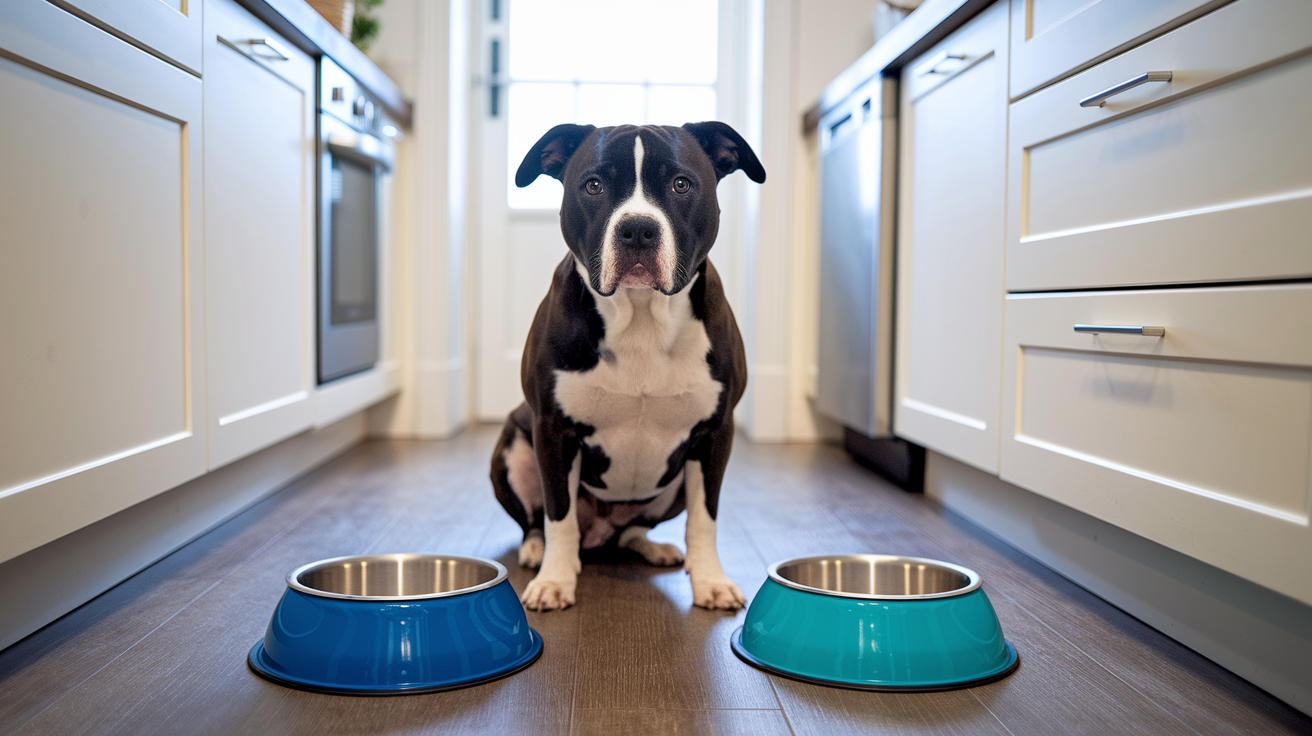
Think raised dog bowls are always healthier? Not true.
Floor bowls work fine for most healthy dogs, and that matters because a lot of marketing makes elevation sound like a must.
Raised bowls can help tall or arthritic dogs by easing neck and shoulder strain.
But they can increase bloat risk in deep-chested breeds and they don’t reliably slow fast eaters.
Choose by your dog’s body, comfort, and behavior, and check with your vet before you buy.
Which Bowl Setup Is Best for Your Dog?
There’s no single right answer here. Floor bowls work fine for most healthy dogs, and that’s worth saying upfront because a lot of the marketing around elevated feeders makes it sound like every dog needs one. Raised bowls can genuinely help, but only when there’s a real reason. Think a dog that’s visibly uncomfortable bending to eat, or a condition your vet has flagged.
Here’s a quick starting point based on dog profile:
| Dog Profile | Likely Starting Choice | Important Qualification |
|---|---|---|
| Tall or large senior dogs | Raised bowl (if comfortable) | Needs individual assessment of mobility and comfort, not assumed from age alone |
| Deep-chested large or giant breeds | Floor bowl, vet consult first | Raised feeders linked to higher GDV (bloat) risk in this group |
| Healthy small or medium adults | Floor bowl | Little benefit from elevation if no bending difficulty exists |
| Dogs with arthritis or dysplasia | Raised bowl, properly fitted | Height and comfort should be confirmed with your vet |
| Fast eaters | Slow-feeder bowl (any height) | Bowl design matters more than floor versus raised |
| Puppies | Floor bowl | Adjustable stands can be reconsidered later as the dog grows |
For tall, senior, and arthritic dogs, “likely starting choice” doesn’t mean automatic. Mobility, comfort, and correct fitting all need a second look before you commit to a raised stand. A dog that seems stiff in the mornings might do better with a slightly elevated bowl, or might do just as well staying at floor level with a non-slip mat nearby.
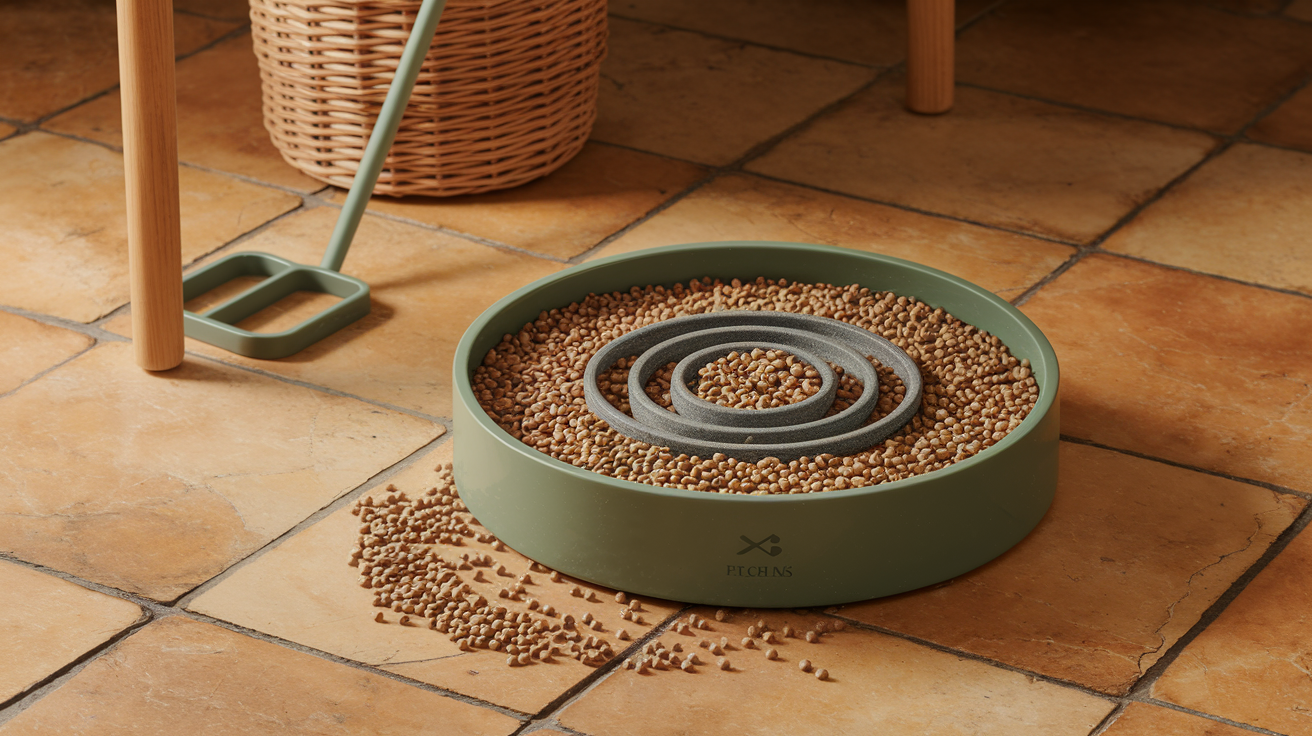
Fast eaters are their own category. Elevation alone doesn’t reliably slow anyone down. If your dog inhales food, a slow-feeder bowl or maze insert addresses the actual behavior instead of just changing the angle.
And deep-chested breeds deserve a clear callout. Floor feeding paired with a vet conversation is the cautious starting point here, since raised feeders have been linked to increased GDV risk in these dogs without evidence that they prevent it.
If your dog is deep-chested or has a diagnosed medical condition, talk to your vet before changing bowl height. It’s a quick conversation that can save you from guessing.
Digestion, Eating Speed, and Bloat Risk

The research on raised bowls and bloat (gastric dilatation-volvulus, or GDV) has been building for a while, and it doesn’t point where a lot of owners assume. Multiple studies have linked elevated feeders to a higher GDV risk specifically in deep-chested large and giant breeds. One study found that extra-large dogs using elevated bowl sets had an increased risk compared to dogs fed at floor level.
That’s the part worth sitting with. There’s currently no evidence showing raised bowls reduce bloat risk. Some veterinary sources go further and suggest elevation may actually worsen risk for dogs already prone to it, likely tied to how quickly air and food move through the stomach at different feeding angles. Got a Great Dane, Standard Poodle, Weimaraner, or similar build? This isn’t a minor footnote. It’s the main thing to weigh before buying a stand.
Bowl height on its own isn’t a dependable fix for fast eating, either. Some dogs actually gulp more at a raised bowl, which can increase aerophagia (swallowing air while eating). That’s a different problem than bloat, but it’s uncomfortable and can cause its own digestive upset. If your dog bolts food, a slow-feeder bowl or maze insert deals with the behavior directly. Elevation and slow-feeding are two separate tools, and mixing them up leads to buying the wrong product.
One more note before moving on. Dogs with megaesophagus sometimes need veterinarian-directed upright feeding to help food move along using gravity. That’s a real exception, but it’s a specific medical setup, not a general reason to raise your dog’s bowl. We’ll walk through what that actually looks like later on.
Joint Comfort, Neck Position, and Bowl Height
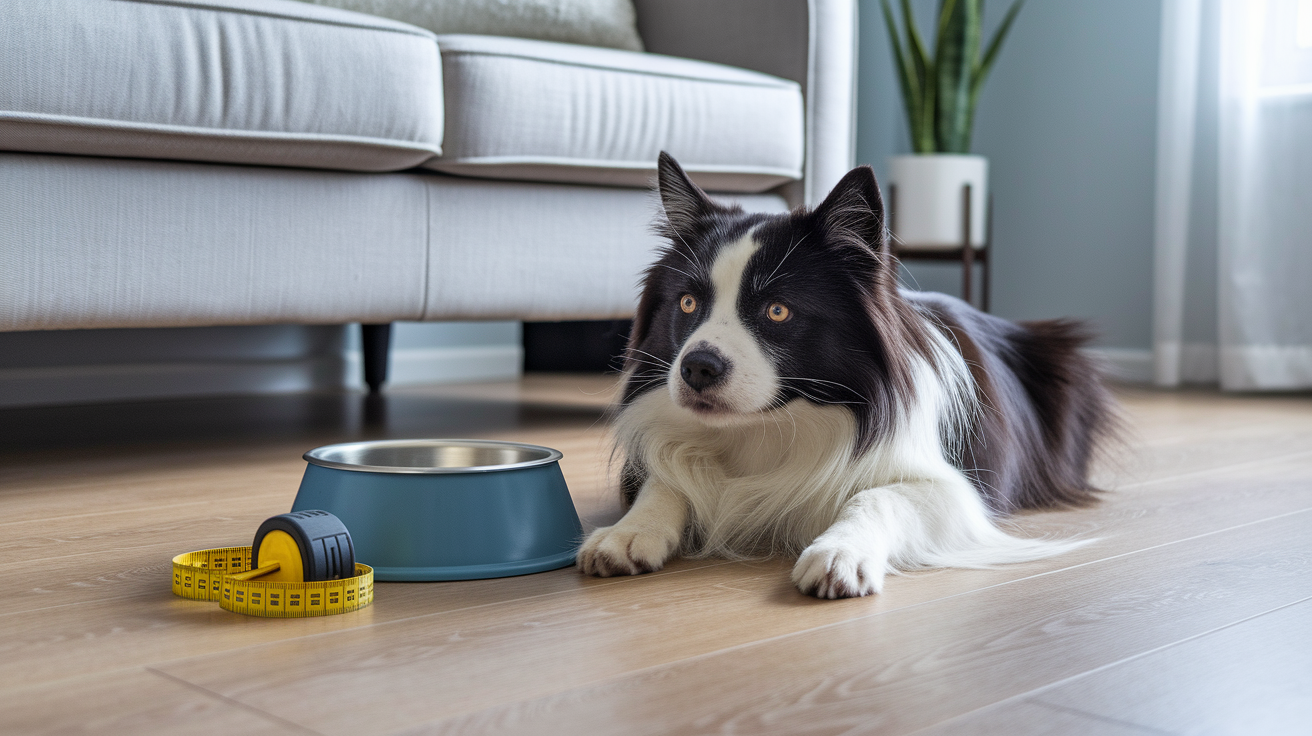
For some dogs, less bending at mealtime really does make a difference. Correctly fitted elevated feeders may ease the strain for dogs with arthritis, elbow dysplasia, or hip dysplasia, since lowering the head and shoulders repeatedly can be uncomfortable when joints are already inflamed. Some tall breeds, like mastiffs and greyhounds, also tend to look more at ease when they’re not dropping their heads all the way to the floor. That said, the evidence for broad, long-term orthopedic benefits is still limited. Think of this as likely helpful rather than guaranteed.
A commonly used fitting guideline places the bowl around the dog’s lower chest, roughly where the front legs meet the torso. Think of it like adjusting a chair at your own dinner table. Too high, and you’re hunching up to reach your fork. A bowl set too high does something similar to a dog, forcing an awkward upward reach instead of a neutral, relaxed stance. The goal is a position that feels natural, not one that just looks elevated.
A few groups are worth individually assessing for a raised bowl:
- Senior dogs that show difficulty bending to reach a floor bowl
- Dogs with diagnosed arthritis
- Dogs with hip or elbow dysplasia
Final Words
We weighed floor and raised bowls across comfort, digestion, and medical needs. Floor bowls suit most healthy small and medium dogs.
Raised bowls may help tall, senior, or arthritic dogs if fitted correctly.
We also covered digestion and bloat risk: raised feeders don’t prevent bloat and may raise GDV risk in deep-chested breeds, so check with your vet before switching.
When deciding, remember raised dog bowls vs floor bowls benefits and drawbacks depend on your dog’s size, shape, eating pace, and health. Start simple, watch your dog’s comfort, and ask your vet when unsure, you’ll find a safe, comfy setup.
FAQ
Q: Do dogs prefer elevated bowls or is it better for dogs to eat off the ground?
A: Dogs don’t universally prefer elevated bowls; floor bowls suit most healthy dogs, while a correctly fitted raised bowl may help tall, senior, or arthritic dogs—ask your vet for deep-chested or medical cases.
Q: Is it better for dogs to eat once a day?
A: Eating once a day is usually not better; most adult dogs do best with two smaller meals daily, while puppies need more frequent feedings—check with your vet for age, size, or health exceptions.
Q: Why do dog bowls have grooves?
A: Dog bowls have grooves to slow fast eaters, separate portions, reduce whisker contact, and cut spills; slow-feeder patterns and portion control generally change eating pace more than bowl height.
More from Politics
 Training
Teach a Dog to Walk on a Loose Leash Indoors
 Health
Cat Not Eating Checklist: Quick Troubleshooting Steps
 Pet Products
Self-Cleaning Litter Box vs Manual: Which Wins?
 Pet Lifestyle