Training
Prevent Separation Anxiety in Dogs During Workdays Easily
Prevent separation anxiety in dogs during the workday with a simple morning routine: a sniff walk, puzzle breakfast, and calm settling time.
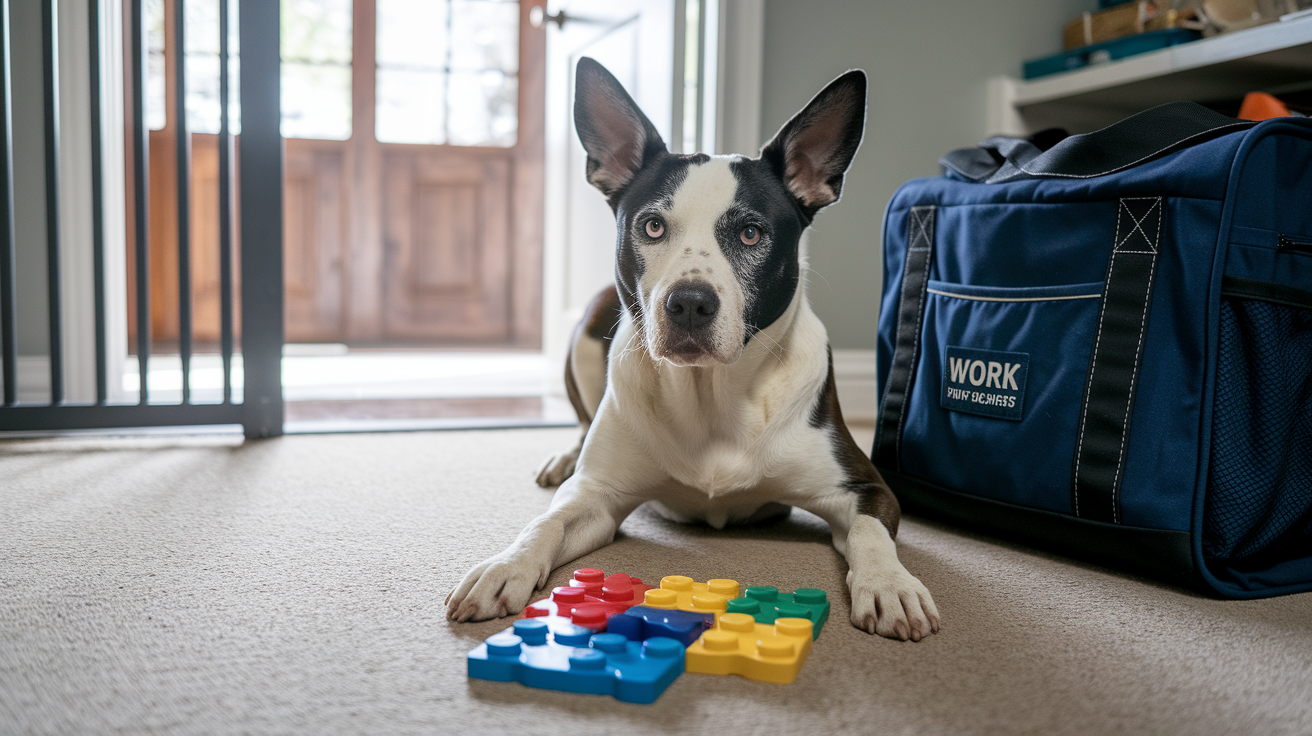
Think leaving for work is harmless to your dog? Think again. Start today with a simple, repeatable plan: a 20 to 30 minute sniff-focused walk, breakfast served in a food puzzle, then at least 10 minutes of calm settling before you pick up your keys. These steps lower the panic threshold right away. This post gives a clear, practical routine you can use every morning, shows how to set up a safe area, lists the signs to watch on camera, and explains when to bring in a sitter or trainer so your dog stays steady during your workday.
What to Do Before Leaving Your Dog for Work
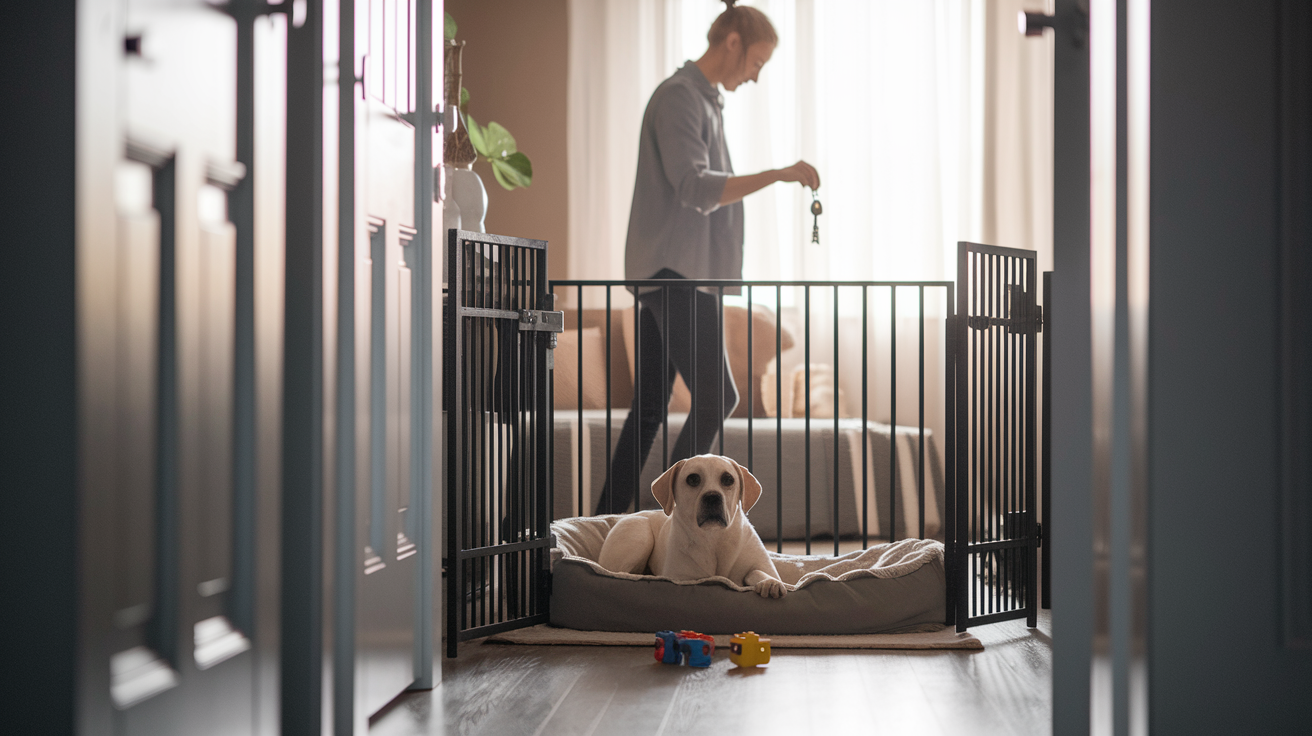
The real goal of a pre-work routine isn’t tiring your dog out or distracting them from the fact that you’re leaving. It’s keeping them below their panic threshold in the first place. Think of it like this, you’re not trying to exhaust a worry away, you’re trying to stop it from building in the first place.
Here’s a dog routine before leaving for work that you can realistically repeat every single morning.
- Take the dog on a 20 to 30 minute sniff-focused walk. Let them lead with their nose instead of marching at your pace.
- Serve breakfast through a suitable food puzzle instead of a bowl. This gives their brain something to chew on, literally, right when you’re prepping to leave.
- Allow at least 10 minutes of quiet settling time after breakfast. No play, no excitement, just downtime.
- Prepare a secure, comfortable area that fits your dog, whether that’s a crate, a gated room, or a corner they already love.
- Leave calmly without an emotional goodbye. Skip the long hugs and the “mommy loves you” speech. Keep it boring.
- Use a camera to watch for pacing, vocalizing, drooling, escape attempts, or an inability to settle once you’re gone.
- Arrange a sitter, dog walker, trusted caregiver, or daycare built for anxious dogs when the planned absence goes beyond what your dog can currently handle.
This isn’t a one-size-fits-all script. Some dogs need more of step one, others barely tolerate step four. Workday dog anxiety prevention works best when you adjust it to the dog in front of you, not the dog you wish you had.
A quick reality check before you start:
- Prevention is almost always easier than reversing a problem that’s already set in.
- Established separation anxiety often needs months of gradual behavior work, not a weekend fix.
- Daily management has to prevent full panic while training is underway. You can’t train through repeated meltdowns.
Signs Your Dog Struggles When You Leave for Work
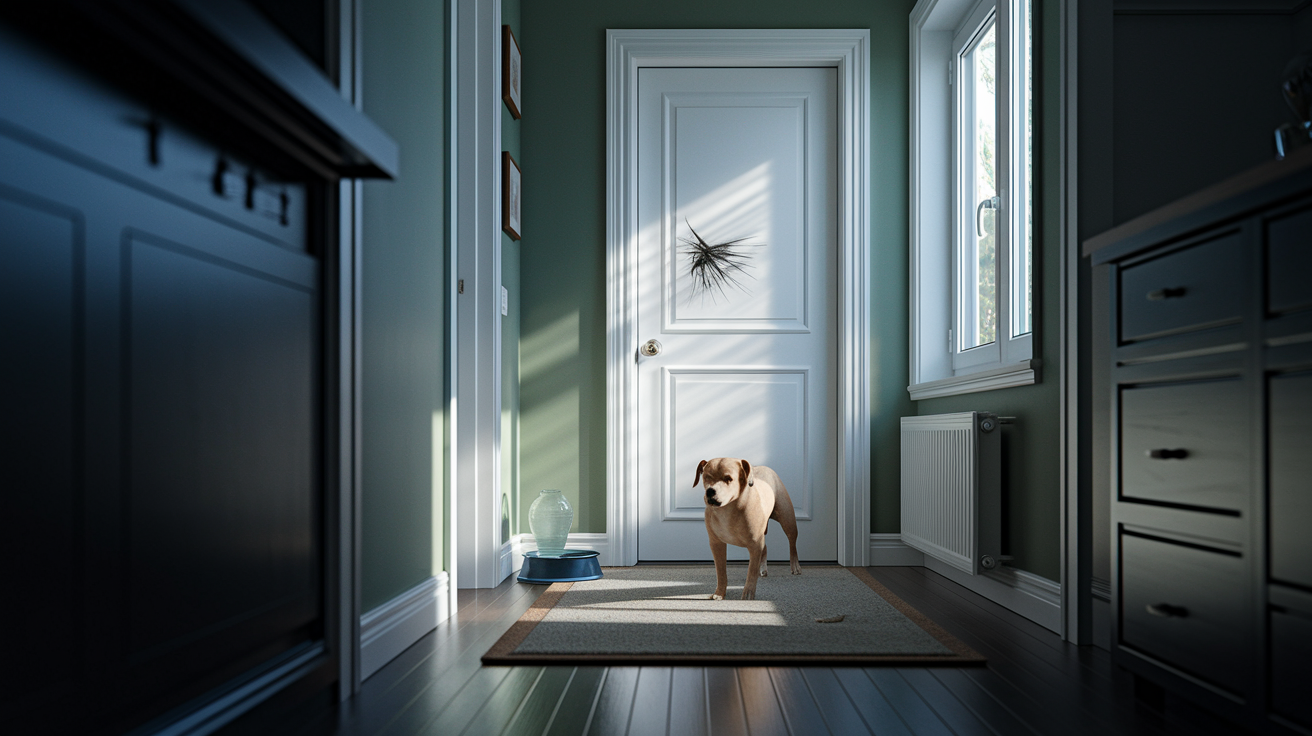
True separation anxiety is a panic response, not spite. Your dog isn’t being dramatic or getting back at you for leaving. It’s closer to a panic attack than a tantrum, and that difference matters for how you respond.
Here are the signs worth watching for, especially in the window right after you walk out the door:
- Excessive drooling, panting, or trembling
- Persistent pacing or an inability to settle
- Destructive behavior around doors and windows
- Repeated barking, whining, or howling
- House soiling despite established housetraining
- Escape attempts or self-injury
Onset typically happens within 30 minutes of departure, and the hardest stretch is often the first 40 minutes. If your dog is fine for an hour and then suddenly destroys a couch cushion at hour four, that’s probably boredom, not anxiety. Panic-driven destruction happens almost exclusively when the owner is gone, and it usually starts fast. Bored dogs, on the other hand, might chew something up at any point in the day, even while you’re home watching TV two rooms over.
This isn’t rare, by the way. A 2020 study found that 72.5% of dogs showed at least one anxiety-related behavior, and a 2022 survey found 47.38% of owners reported seeing anxious behaviors in their dogs. You’re far from alone here.
One more thing worth saying clearly, a quiet dog isn’t necessarily a calm dog. Around half of anxious dogs show no obvious signs at all. They might just freeze, stare at the door, or sit frozen in one spot the whole time you’re gone. If something feels off but you can’t quite name it, pull up camera footage. And if the behavior seems new or doesn’t fit the panic pattern, check with your veterinarian. Urinary tract infections, gastrointestinal issues, and other medical problems can look a lot like anxiety from the outside.
Morning Routines That Lower Pre-Work Stress
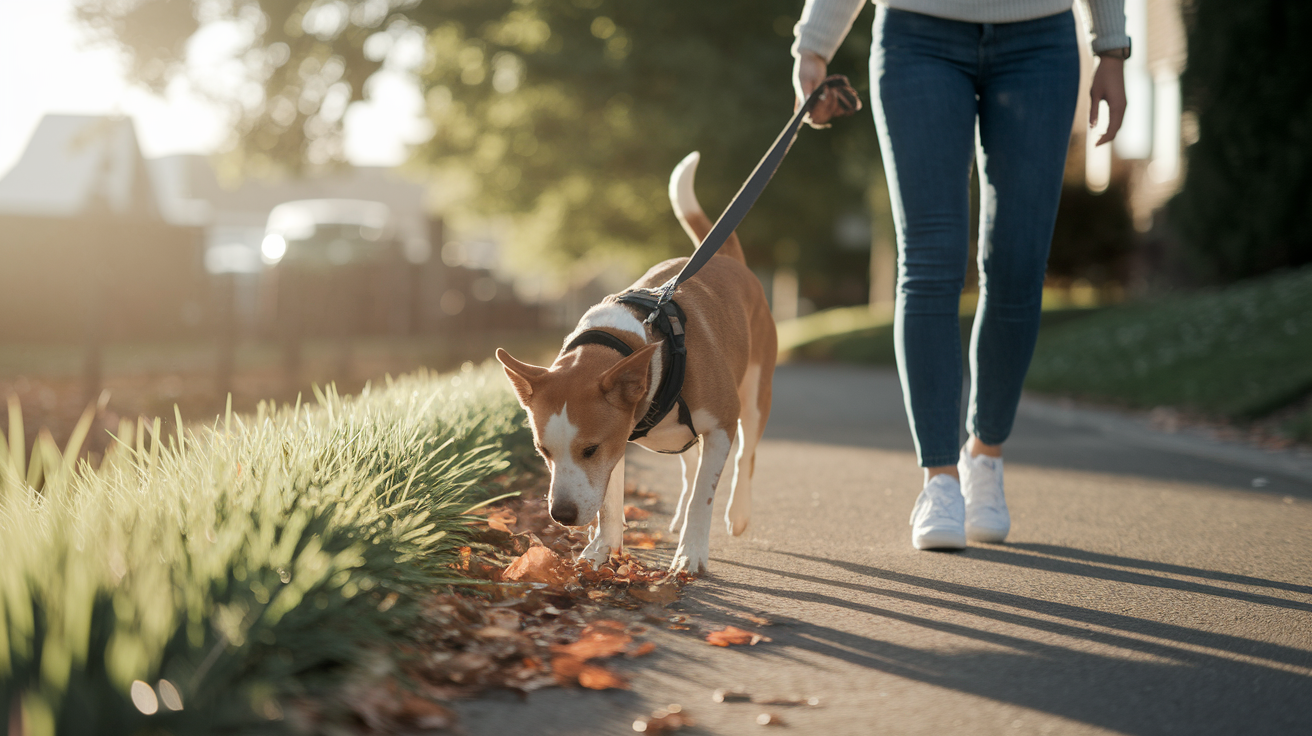
The hour before you leave sets the emotional tone for everything that follows. If your dog is already wound up from the moment they wake up, your departure just adds fuel to a fire that was already lit.
A few adjustments to the broader morning can make a real difference:
- A 20 to 30 minute sniff-focused walk suited to your dog’s health and fitness level
- A brief scent-search activity somewhere else in the morning, even just tossing treats in the yard
- Breakfast after exercise rather than right at the moment of departure
- At least 10 minutes of quiet settling before you pick up your keys or work bag
- Avoiding intense fetch, tug, or other high-arousal play right before leaving
That sniff-focused walk, sometimes called a decompression walk, deserves extra attention. Letting your dog sniff freely can actually be more mentally tiring than a fast-paced run. A 20-minute sniff-focused outing can wear out a dog’s brain more than a 60-minute jog would wear out their legs. Exercise in general releases endorphins and helps lower stress hormones, which is part of why at least one brisk walk per day is a solid baseline for most healthy adult dogs. Just know that needs vary by age, breed, health, and fitness, so adjust accordingly.
Here’s the part people often get backwards, that last 15 minutes before you walk out the door should be as boring and predictable as possible. Slow your movements down. Keep your voice neutral. Don’t rush around like the house is on fire. The bigger the gap between “owner home and relaxed” and “owner about to leave,” the more your dog notices and reacts to it.
That said, a calm morning routine isn’t a cure-all. If your dog already panics when you leave, these adjustments help set the stage, but they don’t replace the gradual training needed to actually change that panic response.
Safe Areas and Crate Conditioning for Workday Absences
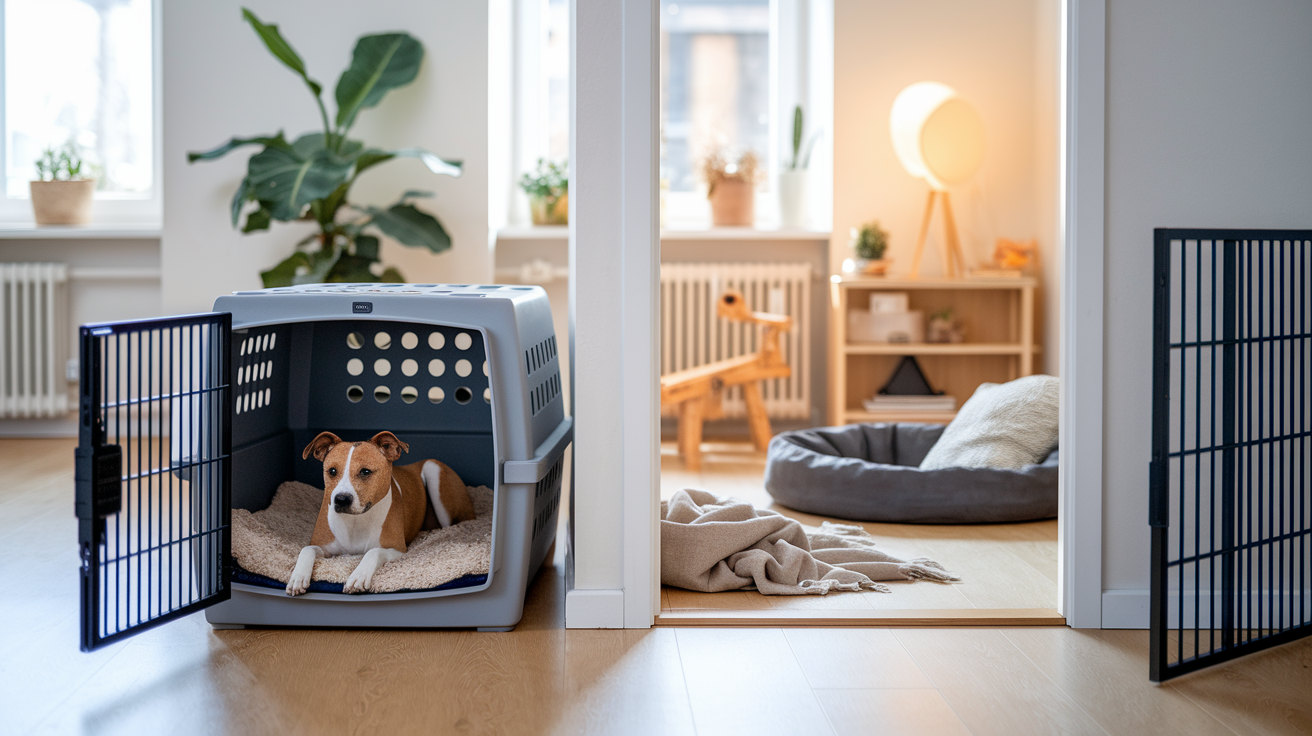
Here’s something that surprises a lot of owners, a crate isn’t automatically calming. For some dogs it’s a cozy den. For others, it can actually make panic worse, especially if they struggle with confinement itself. So before you assume a crate is the answer, it’s worth figuring out what kind of safe space your dog actually needs.
A few things to get right when preparing any safe area, cr
Final Words
Start the morning with a low-arousal sniff walk, a food-puzzle breakfast, at least 10 minutes of quiet settling, and a secure resting area. Leave calmly, use a camera to watch for pacing or vocalizing, and plan a sitter or daycare when absences exceed the dog’s current tolerance.
Watch for panic signs (drooling, pacing, destruction) and use crate conditioning only if the dog accepts it. Follow slow desensitization steps, record progress, and use interim care so the dog never rehearses full panic.
These practical steps will help prevent separation anxiety in dogs during the workday and build calm over time.
FAQ
Q: What routine should I follow before leaving my dog for work?
A: To prepare your dog before leaving for work, keep them below their panic threshold: a 20–30 minute sniff walk, food-puzzle breakfast, 10 minutes quiet, secure area, calm exit, camera, and care if needed.
Q: How do I tell if my dog has separation anxiety, boredom, or a medical problem?
A: To tell if it’s separation anxiety versus boredom or medical issues, watch timing and signs: panic often starts within 30 minutes with drooling, pacing, destruction, or soiling—review camera footage and see your vet.
Q: What morning routine lowers my dog’s pre-work stress?
A: A morning routine that lowers pre-work stress includes a 20–30 minute sniff-focused walk, a short scent-search, breakfast after exercise, at least 10 minutes quiet settling, and avoiding high-arousal play before leaving.
Q: How should I set up a safe area or crate for the workday?
A: To set up a safe area or crate, choose where your dog already settles, remove hazards, offer safe bedding and water, reduce outside triggers with closed blinds or white noise, and trial the setup on camera.
Q: How do I condition my dog to rest in a crate?
A: To condition a dog to rest in a crate, encourage voluntary entry with the door open; briefly close and reopen while nearby; slowly lengthen closed time; add short out-of-sight distance; only test brief departures after calm.
Q: When is confinement unsafe for my dog?
A: Confinement is unsafe if you see biting or bending bars, bloody paws or damaged teeth, frantic escape attempts, or escalating distress on camera—stop crating immediately and seek veterinary or qualified behavior help.
Q: How do I gradually train my dog to handle longer absences?
A: To train longer absences, use camera footage to find a calm tolerance, practise departure cues, start shorter than that duration, return while calm, increase slowly, and shorten sessions if any stress appears.
Q: When should I arrange a sitter, walker, or daycare?
A: You should arrange a sitter, dog walker, trusted caregiver, or suitable daycare when your planned absence exceeds your dog’s current comfortable duration, or to prevent panic while you work on training.
Q: What common training mistakes should I avoid?
A: Common mistakes to avoid are increasing duration too quickly, making departures or reunions emotional, repeatedly letting the dog panic, relying only on exercise or products, and jumping to full workday absences too soon.
Q: What progress should I record and how long will training take?
A: Record the longest calm absence, time until the first stress signal, frequency and intensity of stress behaviors, and time needed to settle; expect months of uneven progress and use interim care as needed.
More from Politics
 Training
Teach a Dog to Walk on a Loose Leash Indoors
 Health
Cat Not Eating Checklist: Quick Troubleshooting Steps
 Pet Products
Self-Cleaning Litter Box vs Manual: Which Wins?
 Pet Lifestyle