Pet Lifestyle
Pet Emergency Kit Checklist: Protect Pets From Disasters
Pet emergency kit checklist: the ID and medical papers to pack today so you and your pet stay safe and together when disaster hits.
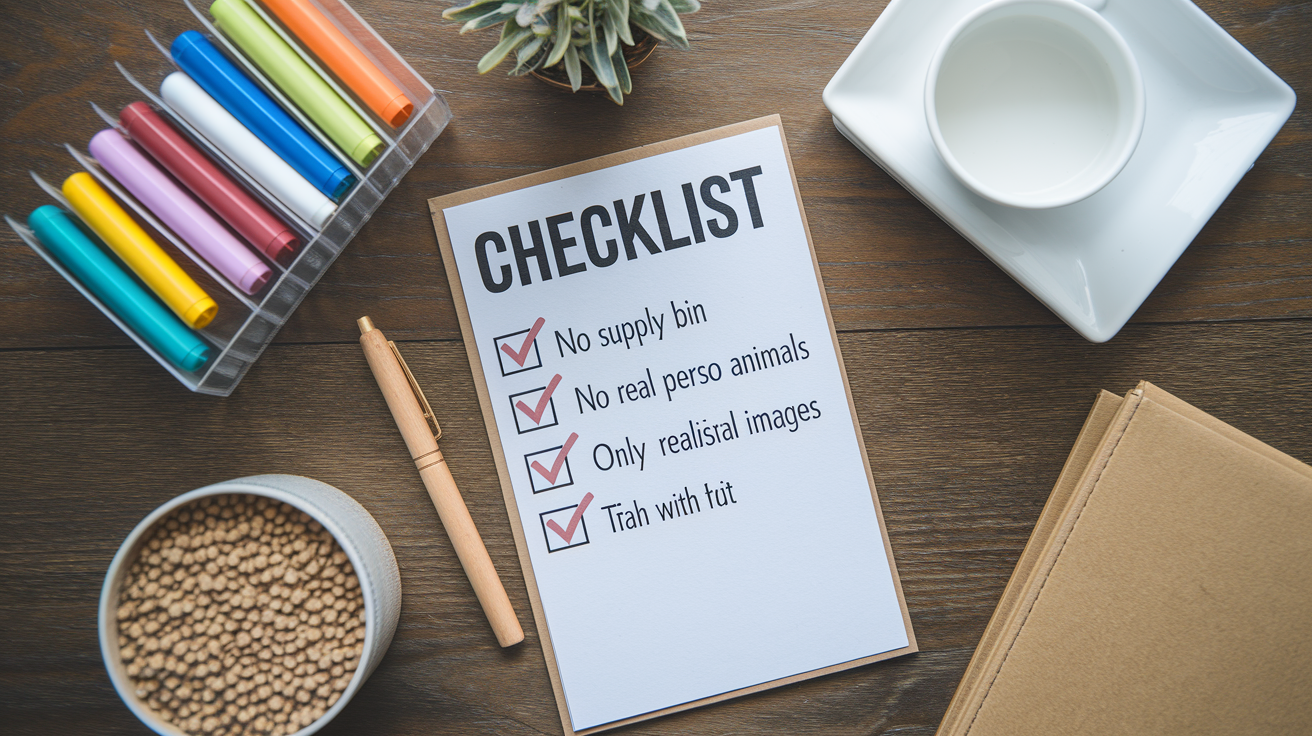
Could you grab your pet’s ID and medical papers if the house filled with smoke right now?
If that sounds hard, you’re not alone — emergencies scramble everything.
Think of a pet emergency kit like a passport and first-aid pouch in one: it helps reunite you, speeds up treatment, and keeps shelters from sending your pet to the wrong place.
This checklist walks you through the exact ID, records, and storage tips to pack today so your pet is ready for home disasters and you can act fast when minutes matter.
Preparing Identification, Records,
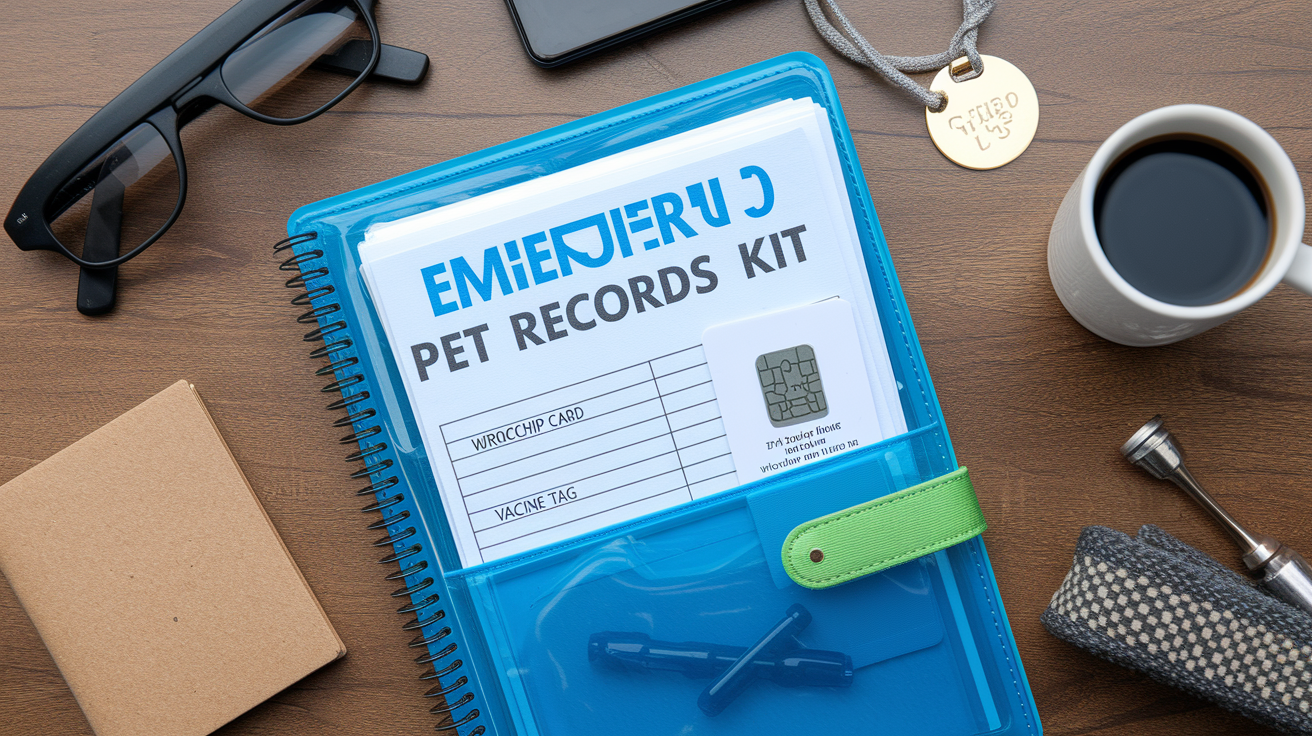
Identification is what gets your pet back to you if you’re separated during chaos, and chaos is exactly when pets tend to bolt. Collar tags can fall off or get lost, so don’t rely on them alone. A registered microchip matters just as much, maybe more, since it’s the one form of ID that stays with your pet no matter what happens to a collar.
Keep a few things ready before disaster hits:
- Current photos of your pet from multiple angles, including any distinct markings
- Proof of ownership, whether that’s adoption papers, a vet bill with your name on it, or a photo of you together
- Microchip registration details, with your contact info kept up to date (this one gets overlooked constantly)
- Vaccination records, especially rabies, since shelters and boarding facilities often ask for proof
- Full medical history, including chronic conditions, allergies, and past surgeries
- Pet insurance information and policy numbers
- Your vet’s contact information, plus a backup clinic in case your regular vet is unreachable
Store physical copies in a waterproof folder inside your kit, and keep digital copies somewhere you can access from a phone, since you might not have the physical kit with you when you need the information most.
These records do more than help reunite you with a lost pet. They also speed up care if your pet needs treatment from a vet who’s never seen them before. A new vet with zero history on your pet is starting from scratch, and that costs time you might not have in an emergency.
Final Words
Packed and labeled, your kit should be ready to grab when minutes matter. This post gave a master checklist of supplies—food, water, meds, first aid, ID, carriers, sanitation, comfort, and utility items—and clear quantities to pack.
We covered choosing and storing food and medication, safe first aid and hygiene, ID and transport prep, assembling and practicing your plan, and how needs change by disaster type and pet species.
Use the pet emergency kit checklist for home disasters as your action plan: print the checklist, run a quick drill, and you’ll have more confidence and control when an emergency happens.
FAQ
Q: How can I prepare my pets for disasters?
A: Preparing your pets for disasters means building a grab-and-go kit, updating ID and records, practicing carrier training and timed evacuations, assigning caregivers, keeping a medicine reserve, and bringing pets indoors when warnings arrive.
Q: What animal is best for anxiety and depression?
A: The animal best for anxiety and depression depends on you; dogs and cats often help, as do therapy animals or small pets. Choose by lifestyle, allergies, time, and check with a mental health professional.
Q: What are the 5 P’s of disaster preparedness?
A: The 5 P’s of disaster preparedness are People, Pets, Prescriptions, Papers, and Personal needs—keep contact lists, ID, medication supplies, important records, and basic daily items ready for quick evacuation.
Q: What to put in an emergency kit for natural disasters?
A: An emergency kit for natural disasters should include regular food (5–14 days), at least 1 gallon water per pet immediately plus extra, two-week meds supply, first aid, ID and records, carrier/leash, sanitation, comfort items, and flashlight/batteries.
More from Politics
 Training
Teach a Dog to Walk on a Loose Leash Indoors
 Health
Cat Not Eating Checklist: Quick Troubleshooting Steps
 Pet Products
Self-Cleaning Litter Box vs Manual: Which Wins?
 Pet Lifestyle