Featured
How to Stop a Puppy From Chewing Everything Fast
Learn how to stop a puppy from chewing everything with a simple 5-step swap-and-praise plan, no yelling, just calm steps that work fast.
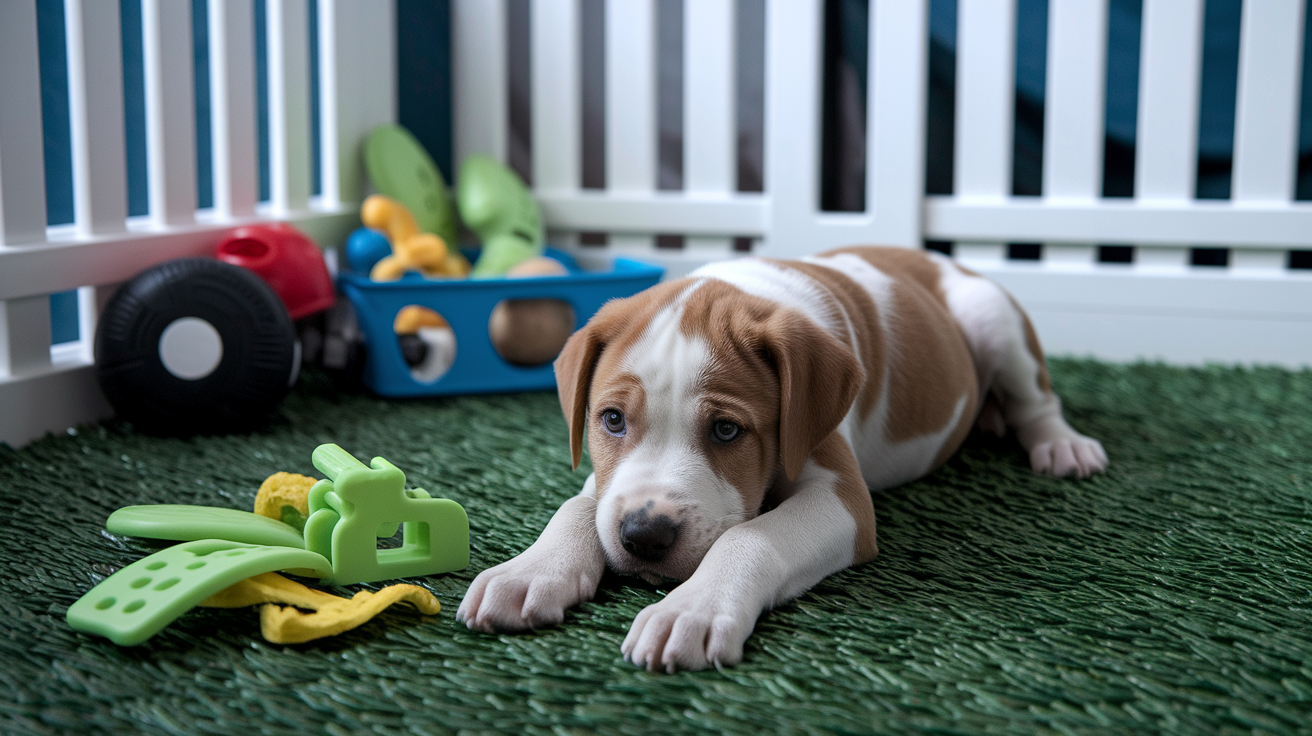
Punishing your puppy for chewing is probably making it worse.
If your puppy is gnawing on shoes, cords, or couch corners, try this tonight: calmly interrupt, swap in a safe chew, praise the swap, and puppy-proof the area.
This post lays out a simple five-step plan you can use right away so your pup learns to chew toys instead of your things.
I’ll also explain why puppies chew, the teething timeline, and short practice drills that actually stick.
No yelling, no chasing, just calm swaps and clear boundaries that work fast when you’re consistent.
Immediate Action Plan for Destructive Chewing
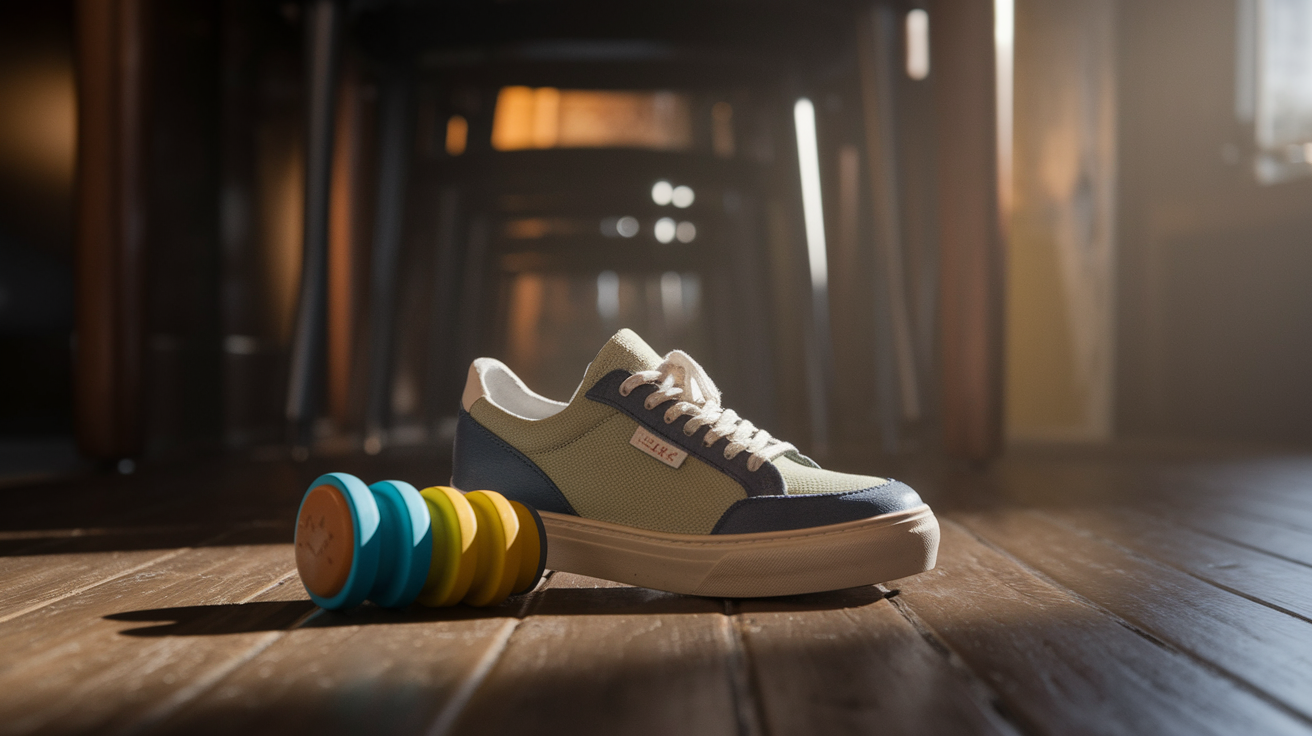
If your puppy’s got a shoe, cushion, or cable in their mouth right now, here’s the short version: redirect, replace, and reward, while keeping anything unsafe out of reach. You don’t need a fancy plan tonight. You need these five steps, done calmly.
- Calmly interrupt the chewing. A simple “ah-ah” or a soft clap works better than shouting.
- Remove or block access to the object once your puppy’s let go or looked away.
- Offer an approved chew toy right where your puppy can reach it.
- Praise or reward the moment they accept the replacement, within about 3 seconds.
- Puppy-proof the area, stay close to supervise, or use a crate or playpen so the same thing can’t happen the second you turn around.
That’s reward-based redirection in its simplest form. No drama, no chasing. Just a quick swap and a “good job.”
Here’s the part that matters most: never shout, chase, or physically punish your puppy for chewing, even if it’s your favorite pair of boots. Punishment doesn’t teach them what to chew instead. It just teaches them to be anxious around you, and that can actually make chewing worse over time.
Why Puppies Chew Everything in Sight
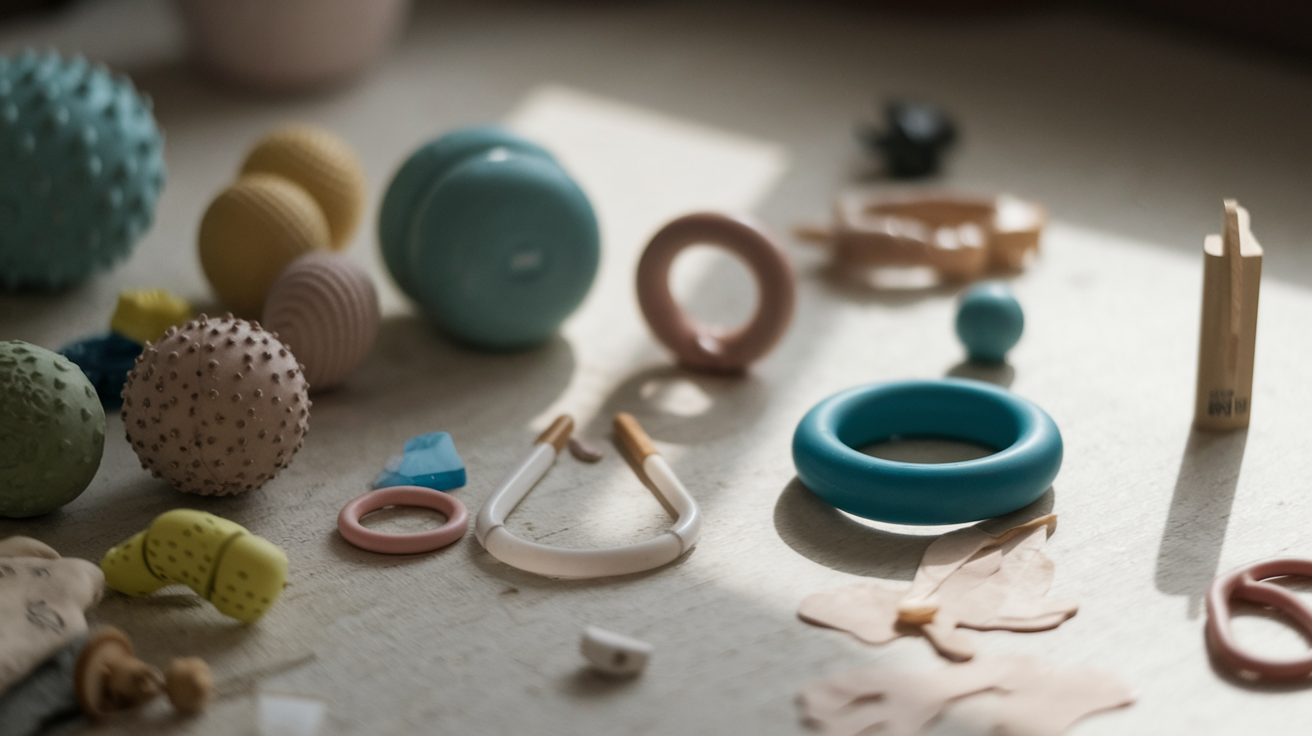
Teething is one of the most common reasons puppies chew, and it comes down to sore gums. When new teeth push through, applying pressure with their mouth just feels better, kind of like how we might chew on something when we’ve got a toothache. For the exact ages, signs, and when this phase typically eases up, check the teething timeline below. Beyond teething, puppies also chew simply because they’re curious. A new object on the floor gets investigated with their mouth the same way a toddler might grab and shake something unfamiliar.
Not all chewing comes from the same place, though. A puppy who destroys things mainly when left alone might be dealing with boredom or mild separation anxiety, not teething at all. One who chews shoes the second you stop paying attention may be chewing for attention, because even a reaction from you feels better than being ignored. And a puppy who chews constantly, regardless of activity level, may simply have energy that hasn’t been burned off yet. Breed and individual personality play a role here too. Some breeds, like retrievers or terriers, have a naturally stronger drive to chew, so the same routine might need a little more patience with one puppy than another.
Puppy Teething Timeline: When Chewing Starts and Stops
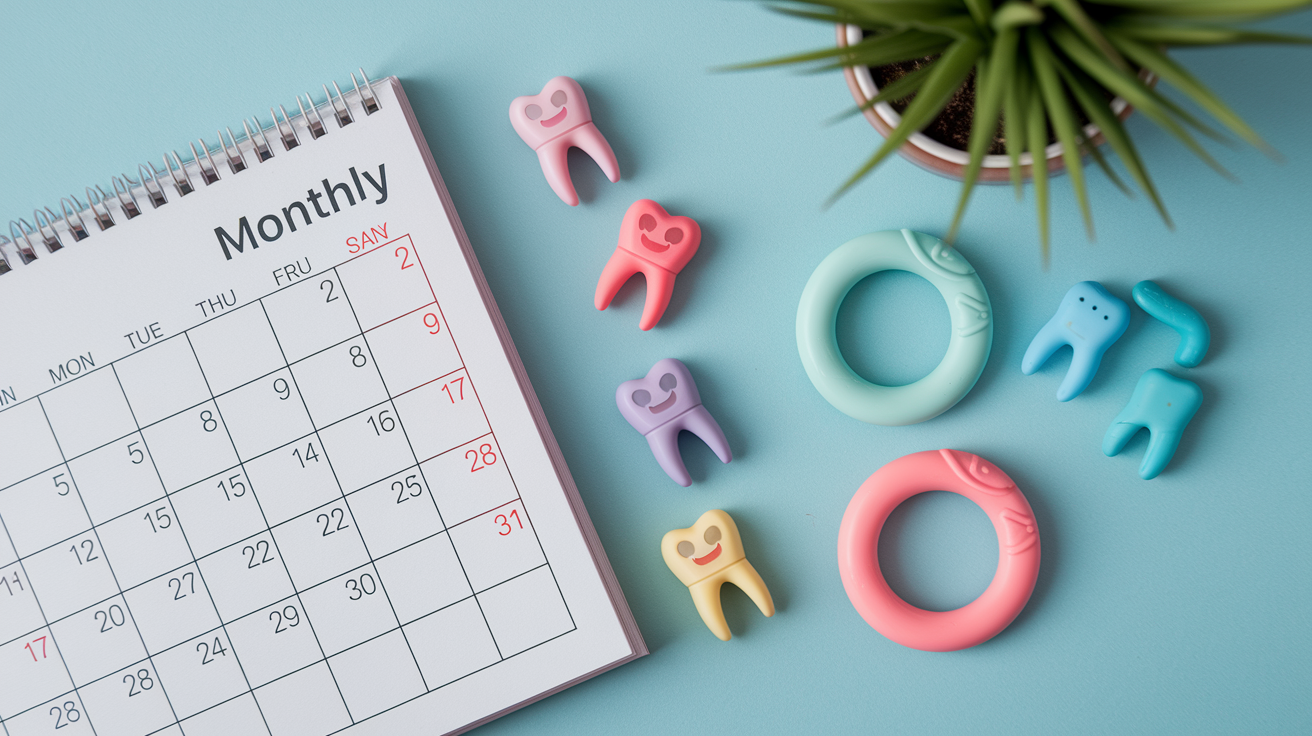
Baby teeth actually start coming in early, around 3 weeks old, long before most puppies go home with their new families. These are the small, needle sharp teeth you might notice during early play biting. Over the following months, those baby teeth gradually give way to a full set of permanent adult teeth, and this transition is where most of the chewing frustration begins.
The real peak tends to land between 3 and 6 months, when adult teeth and molars are pushing through the gums. This is often the toughest stretch for furniture, shoes, and anything within reach. Watch for drooling, red or visibly sore gums, missing baby teeth, sometimes found on the floor or in bedding, small spots of blood on chew toys, or a sudden reluctance to eat hard kibble. All of this is a normal part of the process, not something to panic over.
The good news: chewing driven by teething pain usually starts easing between 6 and 12 months, with many puppies noticeably calmer by 9 to 12 months. That said, recreational chewing, the kind that happens just because it feels good or relieves stress, can continue well past the teething window, especially in breeds with a strong natural chew drive. If you notice heavy bleeding, significant swelling, a visibly broken tooth, ongoing refusal to eat, or signs your puppy seems to be in real pain, it’s worth a quick call to your veterinarian.
Step-by-Step Training Routine to Stop Destructive Chewing
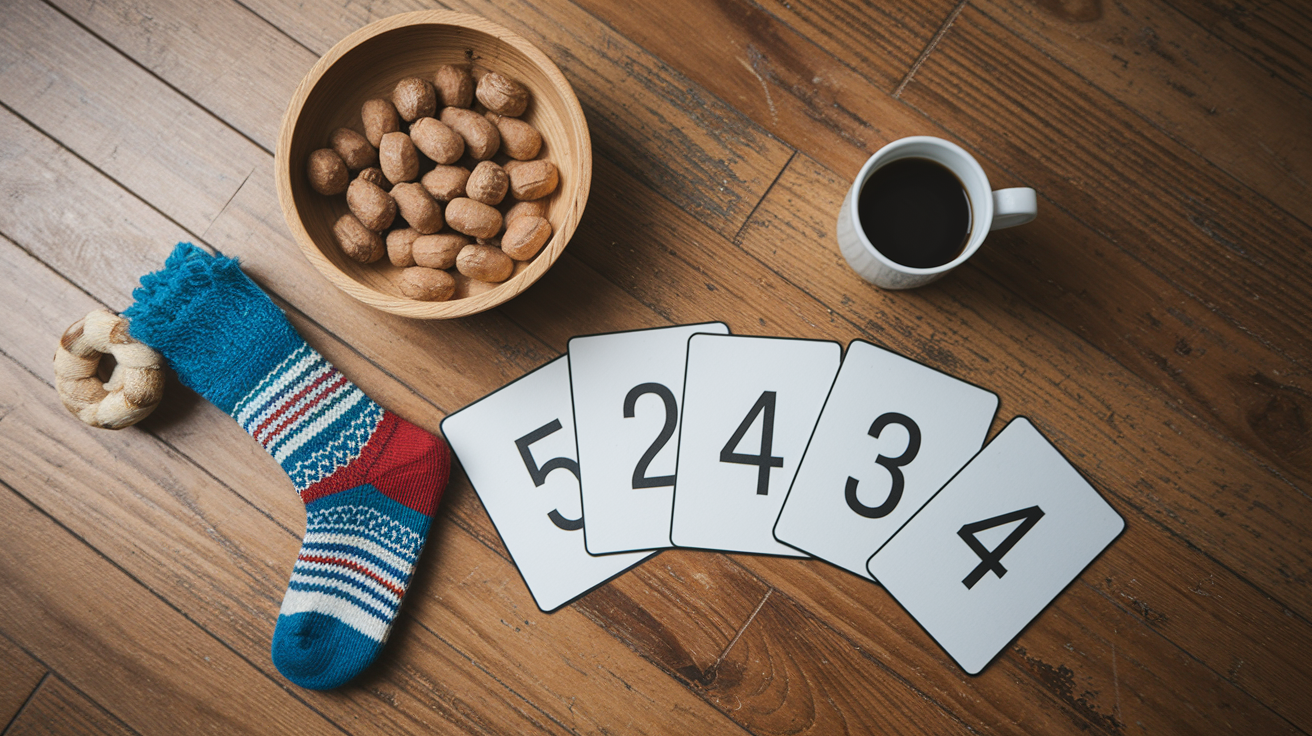
The redirect, replace, reward plan from earlier works great in the moment. But turning it into a real habit for your puppy takes a little structured practice. Think of this section as the “practice drills” version of that emergency response, the kind of repetition that actually builds a new habit instead of just handling one incident.
Practising the Toy Swap
Set up a short, low-pressure practice session using a safe household item your puppy sometimes targets, like an old sock, paired with their favorite approved toy. The moment they pick up the practice item, interrupt within 1 to 2 seconds with a calm sound, then immediately present the approved toy close to their nose. Praise or offer a tiny treat the second they engage with it, ideally within 3 seconds. Repeat this 5 to 10 times over several days. Try not to keep snatching the “correct” toy away between reps, since that can make your puppy less eager to pick it up at all.
Teaching “Leave It”
Start with a treat tucked inside a closed fist. Let your puppy sniff, lick, and paw at your hand, and just stay still and quiet. The instant they lose interest and look away or back off, even slightly, mark that moment with a word like “yes” and reward them from your other hand, never the one they were just focused on. Once this gets easy, add the verbal cue “leave it” right as you present your fist. From there, progress to placing a treat on the floor under your foot, which is a bigger temptation and a good next step before trying it in real life.
Teaching “Drop It”
Grab a low-value toy and a higher-value treat for this one. Say “drop it” one time, then bring the treat right up near your puppy’s nose. As soon as they let go to get the treat, go ahead and pick up the item. Give the toy back afterward when it’s safe to do so. This matters more than it seems: if releasing something always means it disappears forever, your puppy learns to hold on tighter next time instead of letting go easily.
Troubleshooting and Progression
If your puppy runs off with the object, guards it, ignores the toy swap, or goes right back to chewing the wrong thing, don’t chase or force it out of their mouth. Instead, lower the difficulty. Try a less exciting practice item, use a higher-value treat, or reduce distractions in the room. Keep sessions to 5 to 15 minutes, 2 to 4 times a day, with
Final Words
Redirect, replace, reward. Do that first and keep unsafe items out of reach. Use puppy-proofing, close supervision, or a crate when you can’t watch closely.
Know why they chew — teething, exploring, boredom, anxiety, or breed drive. Follow the teething timeline, practice toy-swap drills, and teach leave it and drop it. Choose age-safe, properly sized toys and discard any with cracks or loose pieces.
Follow these clear steps for how to stop a puppy from chewing everything, and you’ll see steady progress. You’ve got this.
FAQ
Q: Why do puppies chew?
A: Puppies chew because teething, exploration, boredom, anxiety, and attention-seeking make their mouths useful tools; sore gums often drive chewing. Check the teething timeline for age-related signs and expected improvement.
Q: What month is hardest with a puppy?
A: The hardest month with a puppy is often between 3 and 6 months when adult teeth and molars erupt, causing peak chewing; many puppies calm between 6 and 12 months, though some chew longer.
Q: Why is my dog so destructive when I’m not home?
A: Your dog is destructive when you’re not home because separation anxiety, boredom, or not enough exercise can trigger chewing and digging; try puppy-proofing, enrichment, safe confinement, and consult a trainer or veterinarian for severe cases.
Q: How often should I give my dog a chew?
A: You should give your dog a chew depending on age, size, and chew type—offer supervised short chew sessions several times daily for enrichment, and never leave large or damaged chews unsupervised.
More from Politics
 Training
Teach a Dog to Walk on a Loose Leash Indoors
 Health
Cat Not Eating Checklist: Quick Troubleshooting Steps
 Pet Products
Self-Cleaning Litter Box vs Manual: Which Wins?
 Pet Lifestyle