Pet Lifestyle
How to Secure Electrical Cords From Chewing Pets
Learn how to secure electrical cords from chewing pets with quick, low-cost fixes you can start today. No renovation needed, just simple steps that work.

Could one curious bite from your dog or cat cause a shock, a burn, or even a house fire?
Do this today: unplug and inspect every cord your pet can reach, replace anything with frays or teeth marks, then tuck, cover, or box the rest.
This guide shows quick, low-cost steps: block access, use cord covers or raceways, apply bitter spray only to unplugged cords, and add chew toys and training so you can protect your pet without turning your weekend into a renovation.
Quick Steps to Pet-Proof Electrical Cords Today
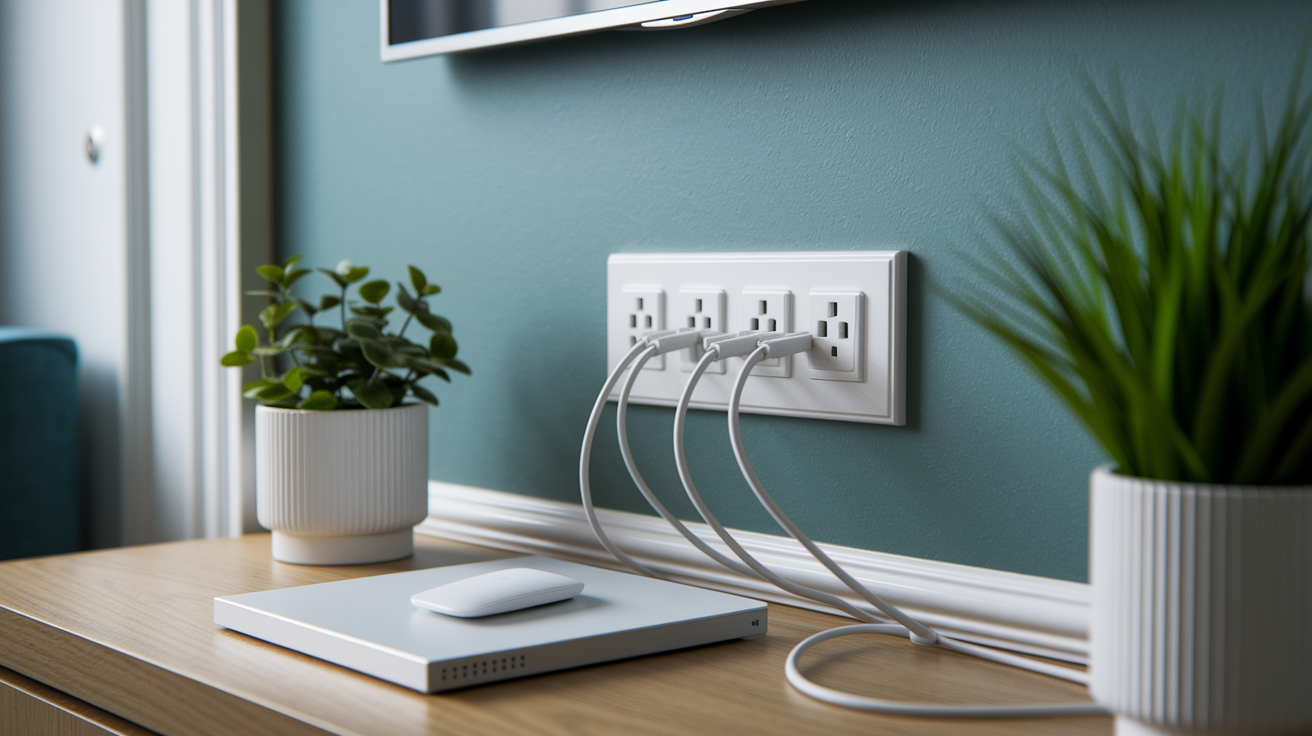
Pet-proofing your cords isn’t complicated, but it works best when you tackle it in the right order. Start with the biggest risks first, then layer on extra protection as you get time. Here’s how to secure electrical cords from chewing pets without turning your weekend into a home renovation project.
- Unplug and inspect every cord your pet can reach. Look for teeth marks, exposed wire, or frayed insulation. Anything damaged needs to be replaced, not patched.
- Block access to cord heavy areas using furniture, baby gates, or by tucking cords behind bookcases and TV stands where your pet can’t get to them.
- Cover exposed cords with rigid tubing or a raceway channel. A 25 foot roll of corrugated wire loom runs $8 to $20, and it’s one of the fastest ways to protect power cords from pets.
- Box up power strips and slack cable using a cord management box ($10 to $25). This hides the tangle of cords near outlets, which is often where pets chew first.
- Apply a bitter tasting spray only to cords that are unplugged and undamaged. Reapply every 3 to 7 days, since the taste fades.
- Redirect chewing with appropriate toys. Pair physical barriers with training so your pet has something better to do with their mouth.
If you suspect your pet has been shocked, act fast. Don’t touch your pet or the cord. Unplug the device or shut off the breaker first. Then call an emergency veterinarian immediately. Every household runs on about 110 to 120 volts (or 220 to 240 volts outside North America), and any contact with a pet’s mouth can be life threatening. This isn’t a wait and see situation.
The rest of this guide walks through each of these electrical hazard prevention methods for pets in more detail, including product options, training tips, and what to do if chewing has already started.
Why Pets Chew Electrical Cords and the Risks Involved
Chewing is rarely random. Puppies between 8 and 26 weeks old chew because they’re teething, and cords just happen to be at the wrong height. Older dogs and cats often chew out of boredom, curiosity, or plain old attention seeking. Cats and small pets like rabbits or rodents may be drawn in by the texture or their natural prey drive. Risk peaks hardest in a puppy’s first six months. But honestly, any pet can decide a cord looks interesting on any given day.
Here’s why it matters so much:
- Electric shock, which can happen the instant teeth break through live wire
- Thermal burns to the mouth, tongue, or paws
- House fires from damaged wiring left unnoticed
- Internal injuries or organ shutdown in severe shock cases
And beyond the health risk, a chewed through charger or appliance cord is money you didn’t plan to spend. The good news is you already have a plan from the steps above. This section is just here so you understand what’s driving the behavior.
What Are Chew-Proof Cord Covers and Conduits

Cord covers and conduits are physical barriers that sit between your pet’s teeth and the actual wire. Think of them like a helmet for your cords. They don’t stop a determined chewer from trying, but they make it a lot harder to succeed, and most pets lose interest once the fun texture is gone.
- Spiral wrap: Flexible plastic that winds around cords like a ribbon. Easiest and cheapest option, sold in 25 foot rolls for $8 to $20.
- Split loom tubing: Similar corrugated material, slit down one side so you can snap it over a cord without unplugging anything on either end.
- PVC conduit: Rigid plastic pipe in 1/2 inch to 3/4 inch sizes, sold in 10 foot lengths for $2 to $10. Sturdier than wrap, but it won’t bend around corners easily.
- Silicone or braided sleeves: Soft, chew resistant covers sold in packs of 6 for $7 to $12, good for shorter stretches near outlets.
When picking a size, go at least 25 percent wider than your cord bundle so it slides on without a fight. These covers work best on the sections that get the most traffic or have already shown chew marks. That’s usually the stretch right by the couch or under a desk where cords pool together.
What Are Taste Deterrent Sprays for Cords
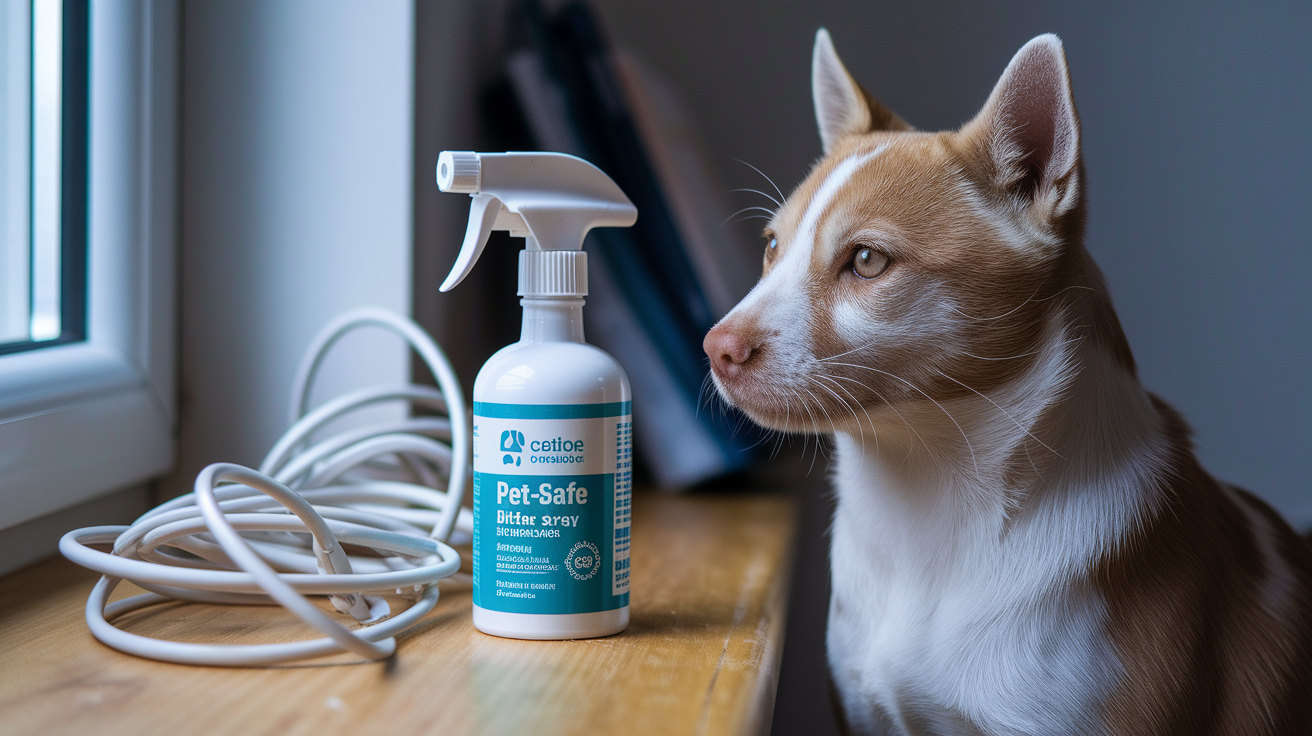
Bitter sprays work on a simple idea: pets who hate the taste stop coming back for a second bite. Most commercial sprays use a bittering agent that’s unpleasant but harmless, and one or two coats on an exposed cord section is usually enough to make a point. It’s not a guarantee, but it’s a solid layer of protection, especially paired with a physical barrier.
Here’s the part that matters most: only ever spray cords that are unplugged and in good condition. Water conducts electricity, and that includes the liquid in a spray bottle. Never apply deterrent near a plugged in wire or appliance. Test a small area first to check for staining or an odd reaction, then apply as needed. Most sprays need reapplying every 3 to 7 days, or sooner if the cord gets wiped down or rained on.
- Commercial bitter sprays (like Bitter Apple): $7 to $15 for 4 to 8 ounces, reliable and long lasting between applications.
- Citrus or lemon based natural deterrents: cheaper or homemade, but they fade within hours to a couple of days and need much more frequent reapplication.
Skip anything not made for pets. Hot sauce and other kitchen substances might seem like an easy fix, but they’re unpredictable and can irritate your pet’s mouth or eyes in ways a proper pet safe spray won’t.
Final Words
Tackle the highest-risk cords first: unplug and inspect for damage, block pet access with furniture or barriers, fit rigid covers or raceways, tuck extra cable into boxes, apply a pet-safe bitter spray only to unplugged intact cords, and offer chew toys.
Chewing often comes from teething, boredom, curiosity, or prey drive, and the risks are real: electric shock, burns, fires, or internal injury. Physical protection plus redirection is the safest combo.
Follow these steps to reduce danger today. For clear how to secure electrical cords from chewing pets tips and product ideas, keep reading the guide — you can do this.
FAQ
Q: How to protect electrical cords from puppy chewing?
A: Protecting electrical cords from puppy or dog chewing means unplug and inspect cords for damage, block access with furniture or gates, use rigid covers or spiral wrap, stash power strips, and offer chew toys plus training.
Q: What can I use on electrical cables to keep cats from chewing them?
A: Using pet-safe sprays and physical covers keeps cats from chewing electrical cables: apply bitter spray only to unplugged, undamaged cords (reapply every 3–7 days), add spiral wrap or conduit, and redirect with play and toys.
More from Politics
 Training
Teach a Dog to Walk on a Loose Leash Indoors
 Health
Cat Not Eating Checklist: Quick Troubleshooting Steps
 Pet Products
Self-Cleaning Litter Box vs Manual: Which Wins?
 Pet Lifestyle