Training
House Training an Adult Dog From Outdoors to Indoors
House training an adult dog that lived outdoors? Get a simple first-day plan, a realistic timeline, and mistakes to avoid so progress actually sticks.
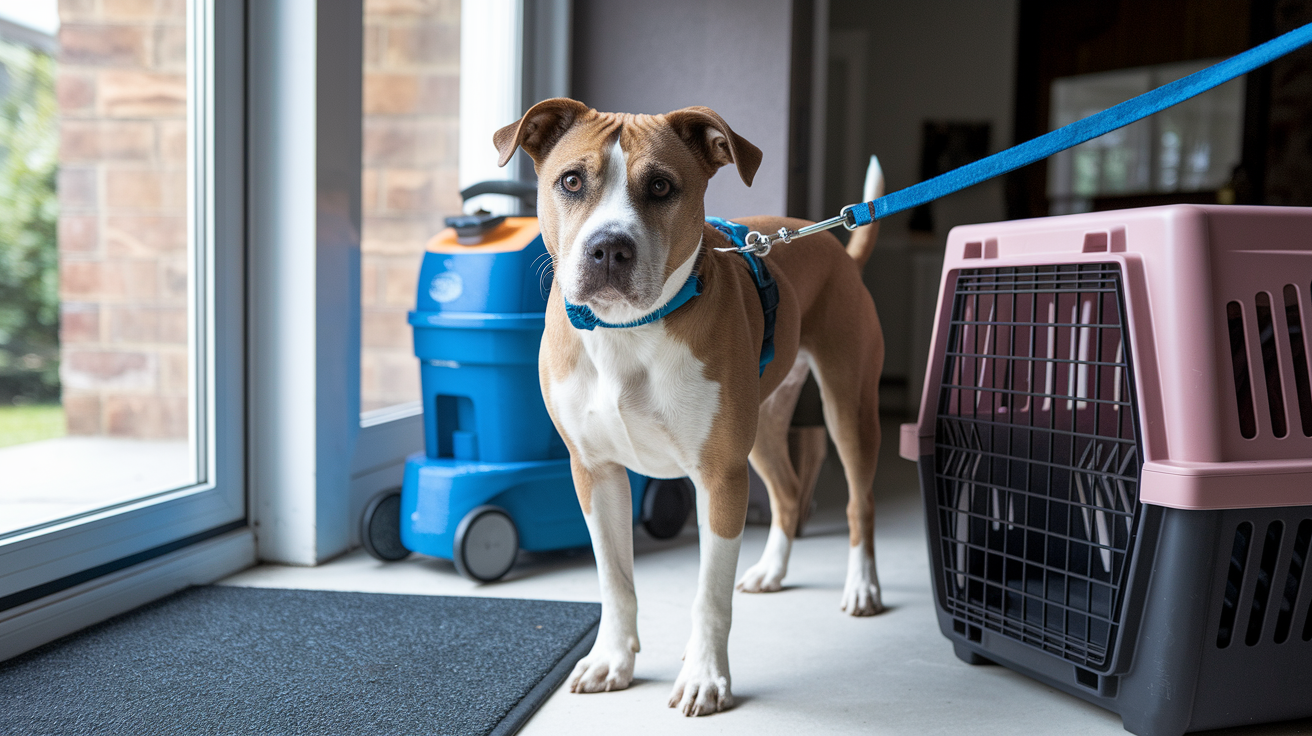
Think an adult dog who’s lived outside can’t learn indoor rules?
Not true. It’s a rule they simply weren’t taught.
Start today by scheduling a vet check, confining your dog to a small, easy-to-clean area, and taking them outside every 1 to 2 hours after sleep, meals, play, and naps.
This post gives a simple, step-by-step first-day plan, what to watch for, common mistakes to avoid, and a realistic timeline so you know when to expect real progress.
A Practical First-Day House-Training Plan
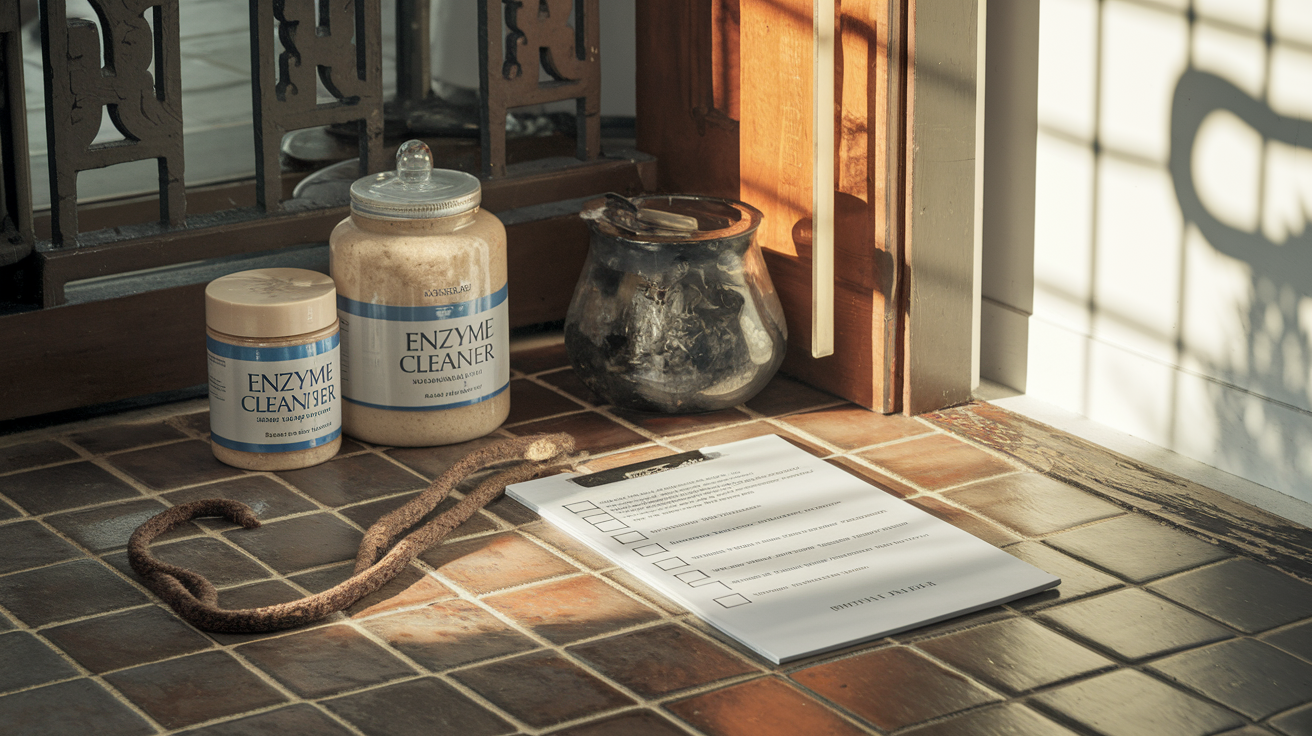
A former outdoor dog hasn’t automatically learned that carpet, tile, and hardwood floors are off limits for bathroom breaks. That’s not stubbornness or a training failure. It’s simply a rule nobody taught them yet.
So the first day matters more than you might think. Here’s a clear protocol you can start the moment your dog comes indoors:
- Schedule a vet check first, to rule out medical causes before assuming this is purely a training issue.
- Confine the dog to a small indoor area or keep it tethered to a supervising adult at all times.
- Take the dog outside every 1 to 2 hours, and immediately after waking, meals, active play, and naps.
- Use the same outdoor toilet spot each time so the smell and location cue the right behavior.
- Introduce a consistent verbal toilet cue (like “go potty”) while the dog is actually eliminating.
- Give praise and a high value reward immediately after elimination is complete, not a minute later.
- Clean any indoor accidents with an enzymatic cleaner, and skip the scolding entirely.
This isn’t something you run through once and check off. It needs to repeat, day after day, at the same times and in the same way, until it gets boring and automatic for both of you. Consistency is what turns a protocol into a habit.
Five things tend to separate the dogs who catch on fast from the ones who struggle:
- Predictable scheduling, so the dog’s body starts anticipating outings.
- Constant supervision, especially in the first couple of weeks.
- Appropriate confinement when you can’t watch closely.
- Immediate rewards timed to the actual behavior.
- Patience, because setbacks are normal and don’t mean the plan isn’t working.
So what’s realistic here? Many adult rescue dogs become reliably house trained within 4 to 12 weeks when this plan is followed consistently. But if your dog has years of outdoor only habits, some anxiety about new environments, or a history that includes confinement stress, plan for 3 to 6 months instead. That’s not a sign of failure. It’s just a longer road, and it still gets there.
Why Former Outdoor Dogs Soil Indoors
Before anything else, rule out a medical cause. Urinary tract infections, intestinal parasites, digestive upset, and age related incontinence can all look exactly like “the dog just isn’t getting it.” If soiling starts suddenly, or comes with straining, blood, diarrhea, increased thirst, or more frequent urination than usual, call your vet promptly. This step isn’t optional, it’s the foundation everything else stands on.
Once health issues are ruled out, a handful of behavioral reasons usually explain the rest. A dog who’s spent years outdoors may not understand that indoor flooring follows different rules than grass or dirt. Many dogs develop a genuine preference for a familiar surface, like concrete or soil, and simply don’t register carpet or tile as off limits. Moving indoors is also a big environmental change, and some dogs respond with stress. Others may associate confinement with punishment from a past experience, which adds fear into the mix. And for dogs who could eliminate anytime, anywhere, outdoors, that freedom became an ingrained habit that doesn’t disappear just because the address changed.
It helps to look at the pattern of what’s happening, since full bladder emptying and territorial marking point to different issues.
| Pattern | Typical Signs | Likely Meaning |
|---|---|---|
| Full bladder emptying | One larger puddle, usually on a horizontal surface | House training gap or missed potty opportunity |
| Territorial marking | Small amounts, multiple spots, often on vertical objects | Marking behavior, not a full training lapse |
Figuring out which pattern you’re seeing gives you a much clearer starting point. It tells you whether you’re dealing with a training gap, a medical issue, or marking, and that changes how you’ll want to respond.
Preparing the Indoor Training Area
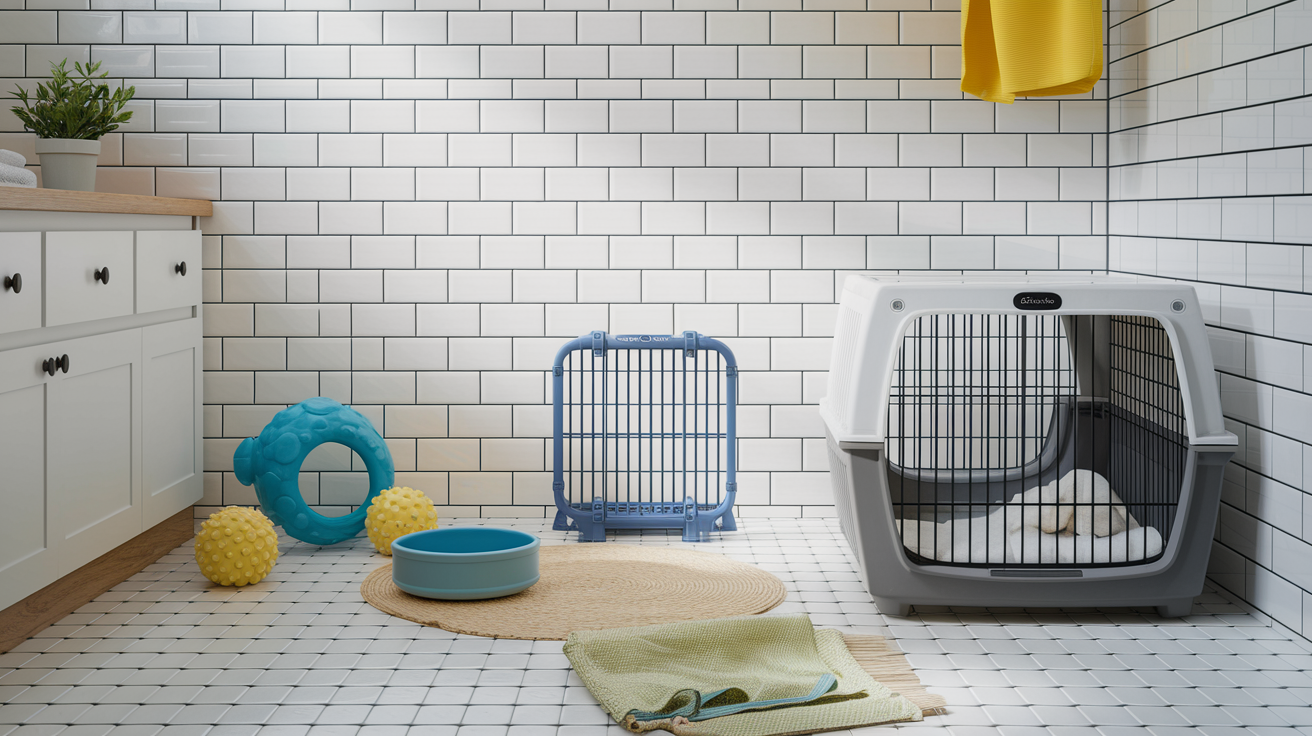
Before your dog gets full run of the house, pick one room or a small gated area that’s easy to clean and easy to supervise. A kitchen, laundry room, or tiled entryway works well. Baby gates, an exercise pen, a closed door, or a properly sized crate all do the same basic job, they keep your dog’s world small enough that you can actually keep an eye on things.
Here’s what you’ll want on hand before day one:
- A correctly sized crate
- Baby gates or an exercise pen
- A leash for indoor tethering and close supervision
- A washable bed or mat
- A water bowl
- Safe chew toys
- An enzymatic cleaner
The crate deserves a little extra thought. It should be large enough that your dog can stand up, turn around, and lie down without feeling cramped, but not so large that there’s room to sleep in one corner and soil in another. Sizing it right now saves a lot of frustration later. (We’ll get into how to actually build positive crate associations in the dedicated crate training section.)
If you have a choice, go with nonporous hard flooring for this training area rather than carpet. It wipes clean, it doesn’t trap odors the way carpet fibers do, and it won’t hold onto a scent that might invite a repeat accident in the same spot. While you’re setting things up, take a lap around the room and clear out rugs, electrical cords, trash cans, food left on counters, anything valuable, and any toxic substances. A little prep now means fewer surprises later.
Establishing a Predictable Toilet Schedule
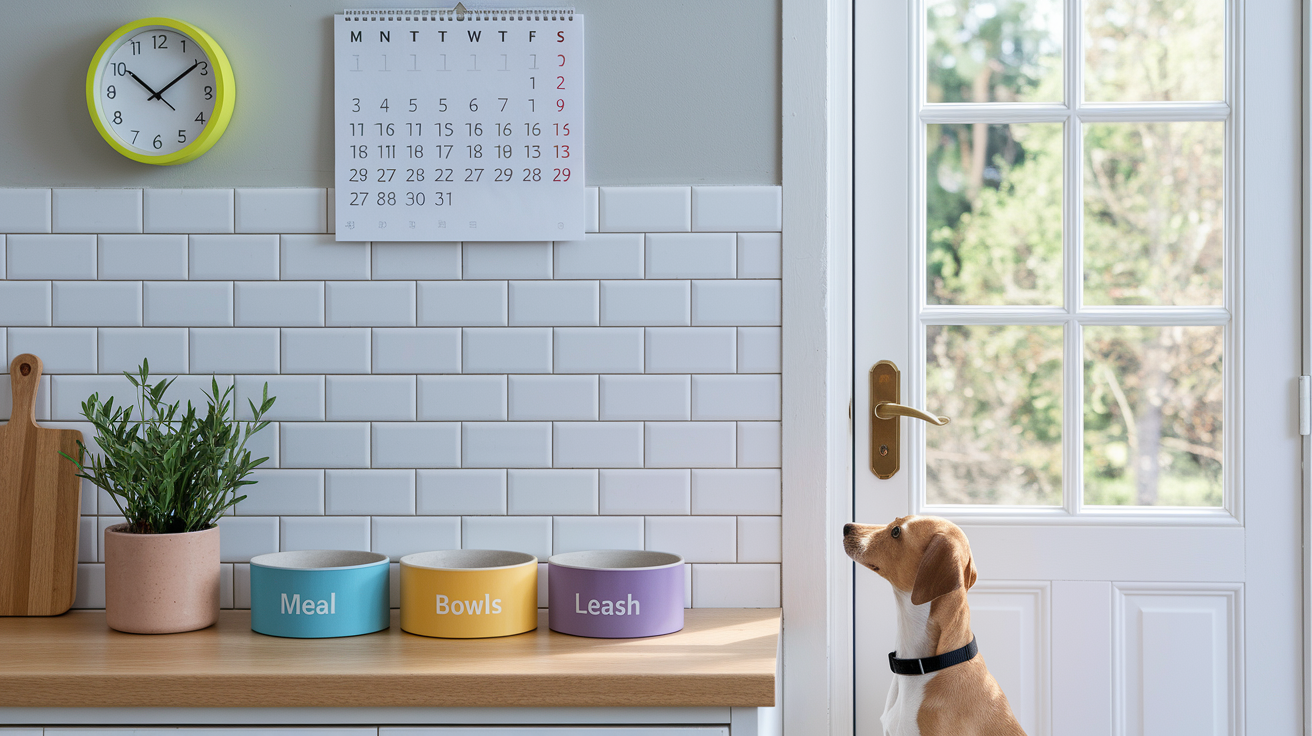
During the first few weeks, take your dog outside every 1 to 2 hours, even though a healthy adult dog might physically be able to hold it longer. Early on, this isn’t about testing bladder capacity, it’s about building a rhythm your dog can count on. Pair this with fixed meal times too, commonly two meals a day, sometimes three for
Final Words
Start today with the first-day plan: vet check, close supervision or confinement, outings every 1–2 hours to the same spot, a simple toilet cue, immediate praise and a treat, and enzymatic cleanups—no scolding.
Set up an easy-to-clean training area and a predictable feeding and potty schedule. Watch for medical signs or marking so you can adjust the approach.
Many dogs become reliable in 4–12 weeks, though some cases need 3–6 months. If you’re house training an adult dog that lived outdoors, stay consistent, reward small wins, and trust the progress.
FAQ
Q: What breed of dog is hardest to housebreak?
A: The breed of dog hardest to housebreak tends to be those with strong scent drives or independent temperaments, like beagles, basenjis, and some terriers; training consistency and the dog’s history matter more.
Q: What is the 3-3-3 rule for dog training?
A: The 3-3-3 rule for dog training describes a timeline: first 3 days for adjustment and bonding, first 3 weeks for basic training and routines, and first 3 months for solidifying long-term behavior.
Q: Is it hard to housebreak an adult dog?
A: Housebreaking an adult dog can be harder than a puppy, but most adults learn with a strict schedule, close supervision, confinement, and immediate rewards; expect 4–12 weeks, sometimes longer for difficult cases.
Q: Is it ever too late to house train a dog?
A: It’s rarely too late to house train a dog; adults and seniors can learn with patient routines and rewards, though medical problems or severe anxiety may require a veterinarian or certified behaviorist.
More from Politics
 Training
Teach a Dog to Walk on a Loose Leash Indoors
 Health
Cat Not Eating Checklist: Quick Troubleshooting Steps
 Pet Products
Self-Cleaning Litter Box vs Manual: Which Wins?
 Pet Lifestyle