Health
Dog Limping Checklist: What to Check First
Dog limping checklist: what to check before calling the vet. Spot emergency signs fast and know when home care is enough.
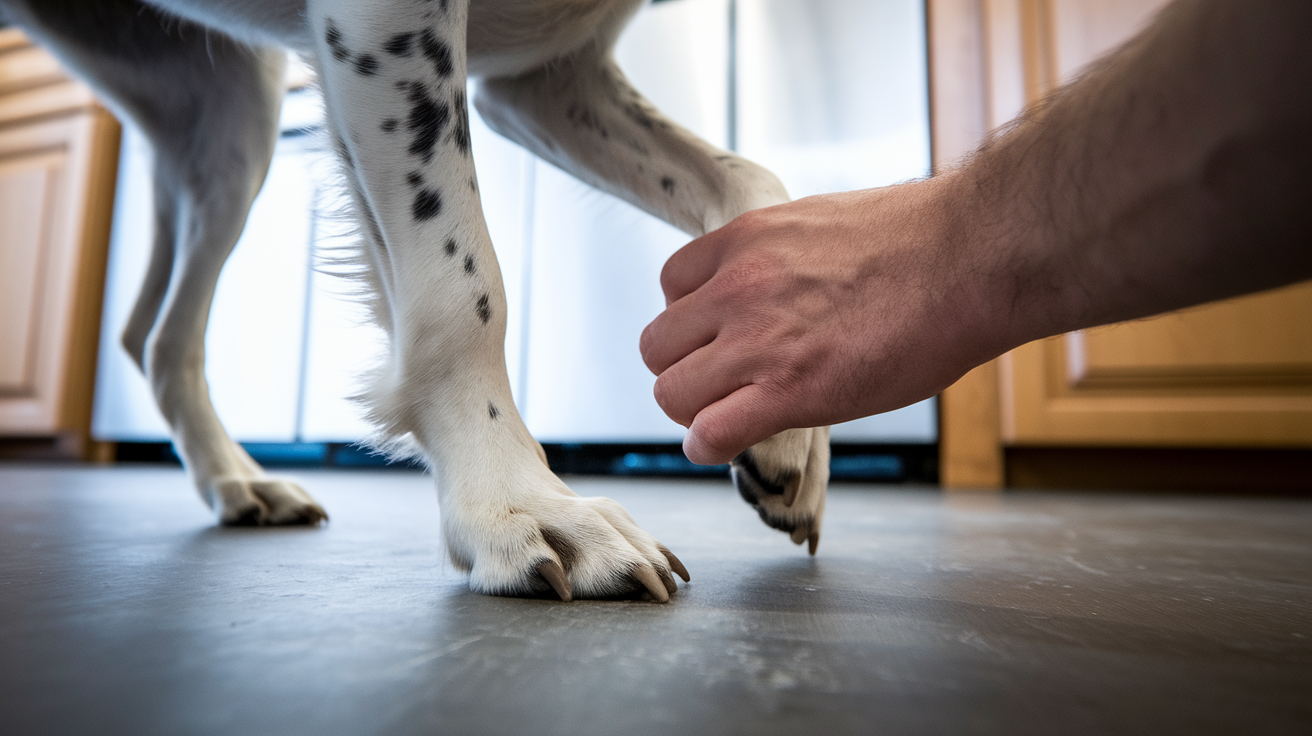
Think a limp is just a minor annoyance? Not always.
If your dog won’t put weight on a leg, is bleeding heavily, or the limb looks bent or out of place, call your vet right away—don’t touch it.
If none of that fits, this quick checklist shows what to check first so you can decide whether to watch at home or get help.
Watch how your dog bears weight, inspect paw pads and nails, and feel for heat or swelling.
These simple steps let you know fast if it’s an emergency.
Immediate Checks Before Examining A Limping Dog
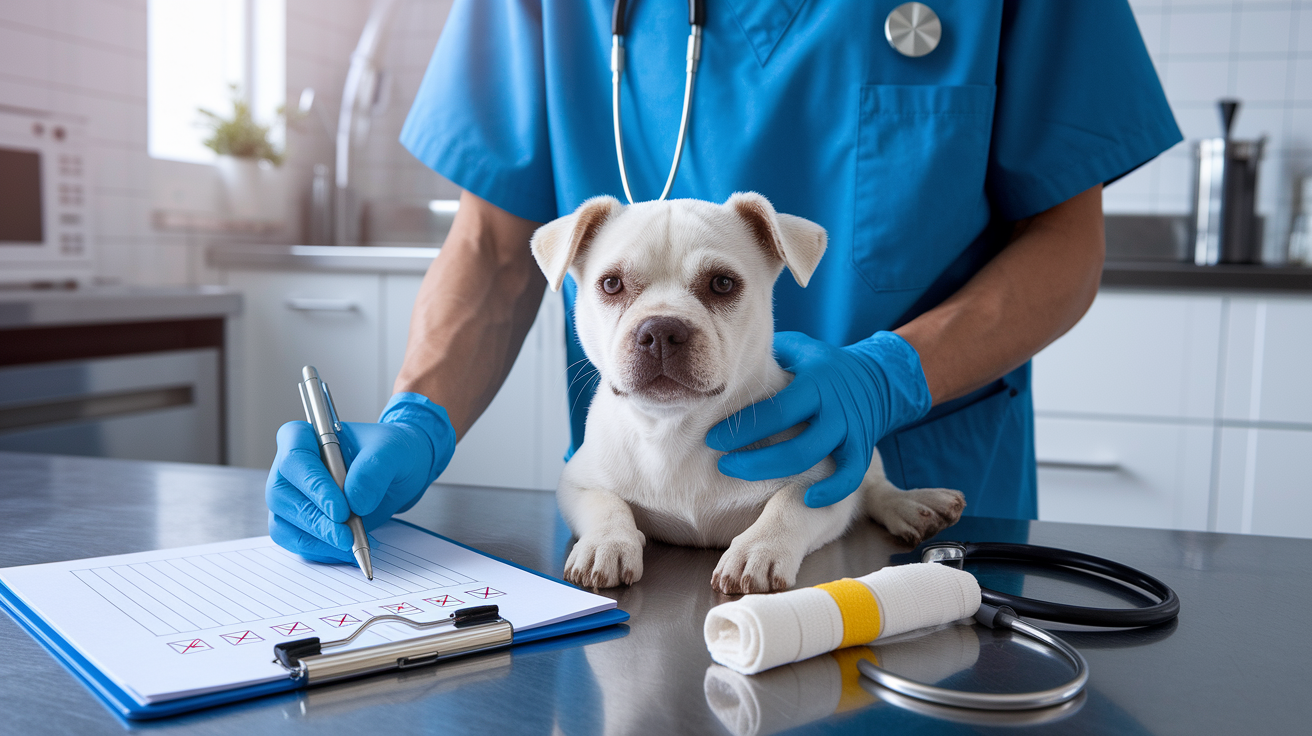
Before you touch anything, scan for stop signs. If your dog can’t bear weight at all, is dragging the limb, has an obviously bent or out of place leg, is bleeding heavily, has major swelling, is struggling to breathe, has collapsed, or seems to be in extreme pain, skip the home check entirely. Call your vet now and don’t mess with the limb while you wait.
If none of that applies, you can run through a quick home assessment. This checklist is meant to be fast, not fancy. You’re gathering clues before deciding what comes next.
- Observe weight bearing: normal means the dog puts the paw down and uses it. Refusing to use the leg at all means it’s time to call your vet.
- Compare limb position: normal means both legs look aligned and symmetrical. An odd angle or visible deformity means stop and seek care right away.
- Look at the paw: normal means no visible damage. Anything unusual means a closer inspection or a call to your vet.
- Check nails and dewclaws: intact, stable nails are normal. A split, torn, or bleeding nail needs prompt attention.
- Feel gently for heat or swelling: matching limbs feel the same. Heat, puffiness, or pain means contact your vet.
- Check skin above the paw: intact skin is normal. Wounds, redness, discharge, or odor point to injury or infection.
- Assess general condition: normal behavior is reassuring. Lethargy, appetite changes, fever, or obvious distress means it’s time to call.
If your dog’s bearing weight and none of this stands out, a mild limp can often just be watched. Any abnormal finding, though, deserves a prompt call to your vet. And if your dog cries out, pulls away, or tries to bite during any of this, stop. Never force a joint to “see how bad it is.”
Observing Your Dog’s Limp Before You Touch Anything

Before your hands go anywhere near that paw, just watch. Find a flat, non slip surface (a driveway or hallway works better than a slick kitchen floor) and let your dog walk in a straight line, then trot a few steps if they’re willing. You’re not testing their limits here. You’re simply watching how they move.
Pay attention to these details:
- Toe touching versus lifting the leg completely off the ground
- Partial weight bearing versus full weight bearing on the affected leg
- Constant limping versus a limp that comes and goes
- Sudden onset (right after a jump or sprint) versus a limp that crept in gradually
- Whether it’s a front leg or a hind leg that’s affected
Vets often use a simple 0 to 5 scale to describe how severe a limp looks, and it’s genuinely helpful to know where your dog falls before you call. A 0 means normal movement, no limp at all. A 1 is barely noticeable, the kind of thing you might only catch out of the corner of your eye. A 2 shows up mainly at a trot or comes and goes. A 3 is consistent but your dog is still putting weight on the leg. A 4 means they’re mostly avoiding weight bearing, just a light touch here and there. A 5 means they won’t put any weight on it at all. Grades 4 and 5 should be treated as urgent.
Watch for head bobbing too (dogs often lift their head when the sore leg hits the ground), shortened strides, a hip that lifts higher than normal, or reluctance to turn in one direction. These small clues often point toward which leg, and sometimes which joint, is bothering them.
If the limp is subtle or comes and goes, grab your phone and record a short video. Here’s the thing, dogs are notorious for “acting fine” the second they walk into a clinic. A fifteen second video of the real limp at home can tell your vet more than an hour of normal looking trotting in the exam room. Once you’ve watched the movement, it’s time to get hands on with the paw itself.
Checking Paw Pads, Nails, And Between The Toes

Inspecting The Paw Pads
Find good light and look at every pad, not just the one that seems obvious. You’re checking for cuts, punctures, abrasions, burns, blisters, cracks, lifted sections of pad, or discoloration. Sometimes the culprit is something embedded, like a thorn, a piece of glass, a chunk of gum, a small rock, or a cocklebur stuck in the tissue.
Compare what you find to the opposite paw. If one pad looks pink and healthy while the other looks swollen or discolored, that’s your answer about which foot is the problem.
Checking Nails And Dewclaws
Run your eyes, then your fingers, over each nail and dewclaw. Check length, color, and whether the nail sits at a normal angle. You’re looking for cracks, splits, tears, or bleeding right at the base, which usually means the quick (the blood vessel inside the nail) has been hit.
A nail that’s bleeding and won’t stop within about 10 minutes needs urgent attention. On the prevention side, trimming nails every 2 to 4 weeks can lower the odds of this happening again, since overly long nails catch and tear more easily.
Looking Between The Toes
Gently spread the toes apart in good light. This is where foxtails, grass seeds, burrs, thorns, gravel, and packed mud like to hide, often out of sight until you actually separate the toes. Look for redness or swelling too, which can signal something’s been lodged there for a while.
One important caution here, don’t dig into the paw or try to pull out anything that’s deeply embedded. If you can see it clearly and it’s sitting at the surface, that’s one thing. If it’s buried or your dog yanks away in pain, that’s a job for your vet.
| Normal Finding | Abnormal Finding |
|---|---|
| Intact, smooth pad | Cracked or bleeding pad |
| Even pad color | Marked discoloration |
Final Words
Start with emergency stop signs: if your dog can’t bear weight, has an obvious fracture, heavy bleeding or swelling, trouble breathing, or collapses, go to the vet now and don’t touch the limb.
Then do the quick checks we covered: watch gait and weight-bearing, inspect paw pads, nails and between the toes, and gently feel up the leg for heat, swelling, or pain. Stop if the dog cries or resists.
Keep this dog limping checklist what to check handy — monitor mild, weight-bearing limps at home, but call your vet for any abnormal sign. You’ll be calmer and ready if something changes.
FAQ
Q: My dog is limping. What should I check for and what should I do?
A: If your dog is limping, check weight-bearing, paw pads, nails, toe spaces, limb alignment, heat or swelling, and behavior; seek urgent vet care for non-weight-bearing, obvious deformity, heavy bleeding, or extreme pain.
Q: How long to let a dog limp before taking to the vet?
A: You should watch a mild, weight-bearing limp for 24–48 hours with rest and limited activity; contact your vet sooner if the limp worsens, the dog won’t use the leg, or other worrying signs appear.
Q: What can I give my dog to help stop limping?
A: To help stop limping, offer rest, prevent running, apply a cold pack 10–15 minutes if swollen, and never give human painkillers; contact your vet for safe pain or anti-inflammatory medication.
More from Politics
 Training
Teach a Dog to Walk on a Loose Leash Indoors
 Health
Cat Not Eating Checklist: Quick Troubleshooting Steps
 Pet Products
Self-Cleaning Litter Box vs Manual: Which Wins?
 Pet Lifestyle